





- omer bar
- •
- 7 Min Read
- •
- 2 days ago
Key Points
- Renewed concerns over the Strait of Hormuz are driving investment interest in alternative oil and gas export routes across the Middle East.
- Gulf producers are evaluating pipeline infrastructure as a strategic tool to reduce reliance on maritime chokepoints and enhance energy security.
- Expanding pipeline capacity could reshape regional energy logistics, influencing global oil flows, pricing dynamics, and long-term infrastructure spending.
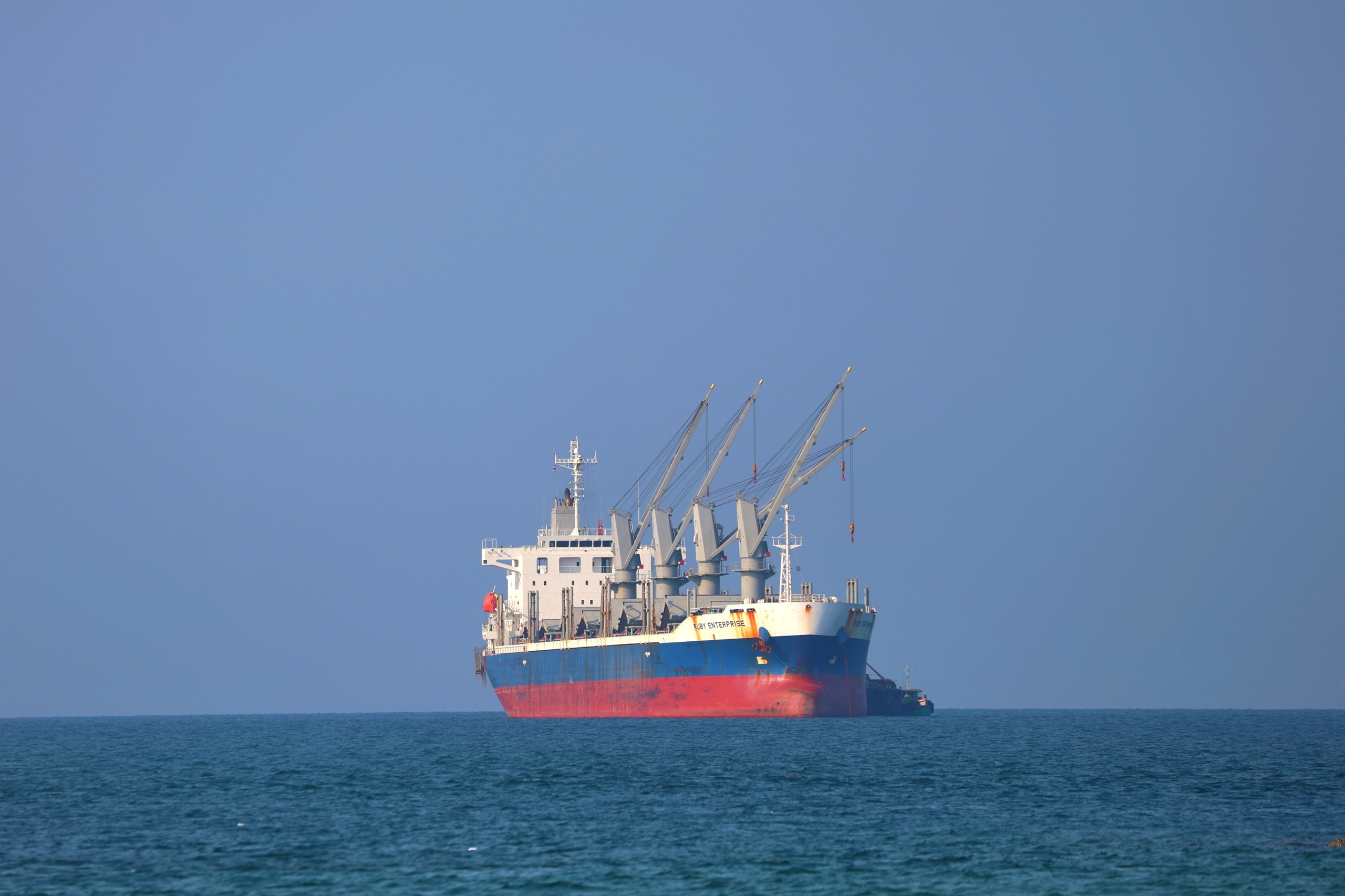
Recent disruptions and security concerns surrounding the Strait of Hormuz have renewed focus on one of the world’s most important energy transit corridors. With roughly one-fifth of global oil consumption moving through the waterway, governments and energy companies are increasingly examining alternative export routes to reduce vulnerability to geopolitical shocks. The result is growing momentum behind pipeline projects across the Middle East, with implications for global energy markets, infrastructure investment, and long-term supply security.
Pipeline Infrastructure Returns to the Center of Energy Strategy
The Strait of Hormuz remains a critical artery for crude oil and liquefied natural gas exports from major producers including Saudi Arabia, the United Arab Emirates, Kuwait, Iraq, and Qatar. Any threat to shipping activity in the region can quickly affect oil prices as traders price in supply disruption risks.
In response, regional governments are reassessing existing pipeline networks and exploring new infrastructure investments that can bypass the Strait altogether. The UAE already operates the Abu Dhabi Crude Oil Pipeline, which transports oil directly to the port of Fujairah on the Gulf of Oman, avoiding Hormuz. Saudi Arabia similarly maintains its East-West Pipeline, allowing crude exports from the Persian Gulf to reach Red Sea terminals.
Recent geopolitical developments have increased the strategic value of these assets, prompting discussions about capacity expansions and additional cross-border energy corridors.
Energy Security Drives Long-Term Capital Investment
The renewed focus on pipeline infrastructure reflects a broader shift toward energy security. While pipelines require significant upfront capital expenditures and years of development, they provide producers with greater flexibility and reduce dependence on vulnerable maritime routes.
For energy-exporting nations, diversification of export channels can strengthen negotiating positions with international buyers while reducing potential disruptions during periods of regional instability. Infrastructure operators, engineering firms, and construction companies may also benefit from increased investment activity as governments prioritize resilience over efficiency alone.
The trend comes at a time when global energy demand remains substantial despite the growth of renewable energy. Oil and natural gas continue to play critical roles in transportation, manufacturing, petrochemicals, and electricity generation, particularly across emerging economies.
Global Market Implications Extend Beyond the Middle East
The impact of expanded pipeline infrastructure extends well beyond regional energy producers. Global commodity markets closely monitor transportation bottlenecks because logistics disruptions can influence benchmark crude prices regardless of underlying supply levels.
Institutional investors are increasingly evaluating infrastructure resilience as part of broader energy market analysis. Companies with exposure to pipeline development, storage facilities, export terminals, and integrated logistics networks could gain strategic importance if governments continue prioritizing alternative transport routes.
For Israel, growing regional infrastructure investment may also create new opportunities for energy cooperation, particularly as Eastern Mediterranean gas development continues to evolve and regional export strategies become more interconnected.
Outlook: Infrastructure Resilience May Become a Strategic Priority
Looking ahead, investor attention will focus on whether current geopolitical concerns translate into concrete pipeline expansion projects across the Middle East. Key factors to monitor include government approvals, financing commitments, construction timelines, and broader regional security developments. While maritime shipping through the Strait of Hormuz remains operational and indispensable to global energy trade, recent tensions have highlighted the economic value of diversified export infrastructure. As energy security becomes an increasingly important policy objective, pipeline investment could emerge as one of the defining themes shaping Middle Eastern energy markets over the coming decade.
Comparison, examination, and analysis between investment houses
Leave your details, and an expert from our team will get back to you as soon as possible
* This article, in whole or in part, does not contain any promise of investment returns, nor does it constitute professional advice to make investments in any particular field.
To read more about the full disclaimer, click here
- Lior mor
- •
- 7 Min Read
- •
- ago 6 hours
SKN | Oil Prices Ease as Hormuz Shipping Improves — Are Markets Pricing in a Lasting Peace?
Oil prices edged lower on Tuesday as traders focused on signs that crude shipments through the Strait of Hormuz are
- ago 6 hours
- •
- 7 Min Read

Oil prices edged lower on Tuesday as traders focused on signs that crude shipments through the Strait of Hormuz are

- omer bar
- •
- 7 Min Read
- •
- ago 7 hours
SKN | Gold and Silver Slide as Rate-Hike Fears Return — Is the Precious Metals Rally Losing Momentum?
Gold and silver prices moved sharply lower on Tuesday as investors reassessed the outlook for U.S. monetary policy following the
- ago 7 hours
- •
- 7 Min Read

Gold and silver prices moved sharply lower on Tuesday as investors reassessed the outlook for U.S. monetary policy following the
- omer bar
- •
- 7 Min Read
- •
- ago 9 hours
SKN | Oil Prices Slide as Strait of Hormuz Flows Improve — Is the Energy Market Entering a New Phase of Stability?
Oil prices moved lower on Tuesday, extending losses from the previous session as traders focused on signs that crude shipments
- ago 9 hours
- •
- 7 Min Read
Oil prices moved lower on Tuesday, extending losses from the previous session as traders focused on signs that crude shipments

- Ronny Mor
- •
- 7 Min Read
- •
- ago 19 hours
SKN | Oil Prices Rebound as Markets Watch Strait of Hormuz Stability and Supply Risks
Global oil markets are staging a modest rebound after a recent selloff, as investors recalibrate risk exposure amid renewed attention
- ago 19 hours
- •
- 7 Min Read

Global oil markets are staging a modest rebound after a recent selloff, as investors recalibrate risk exposure amid renewed attention


