





- Arik Arkadi Sluzki
- •
- 7 Min Read
- •
- 3 hours ago
Key Points
- The Natural Gas July 2026 contract (^NG=F) gained approximately 2.50% during the week, closing near 3.1980 and remaining close to its multi-month highs.
- Strong momentum in summer cooling demand and a smaller-than-expected increase in weekly storage levels supported investor sentiment.
- Despite the rally, risks linked to supply adjustments, weather forecast volatility, and global LNG terminal maintenance remain important factors for investors to monitor.
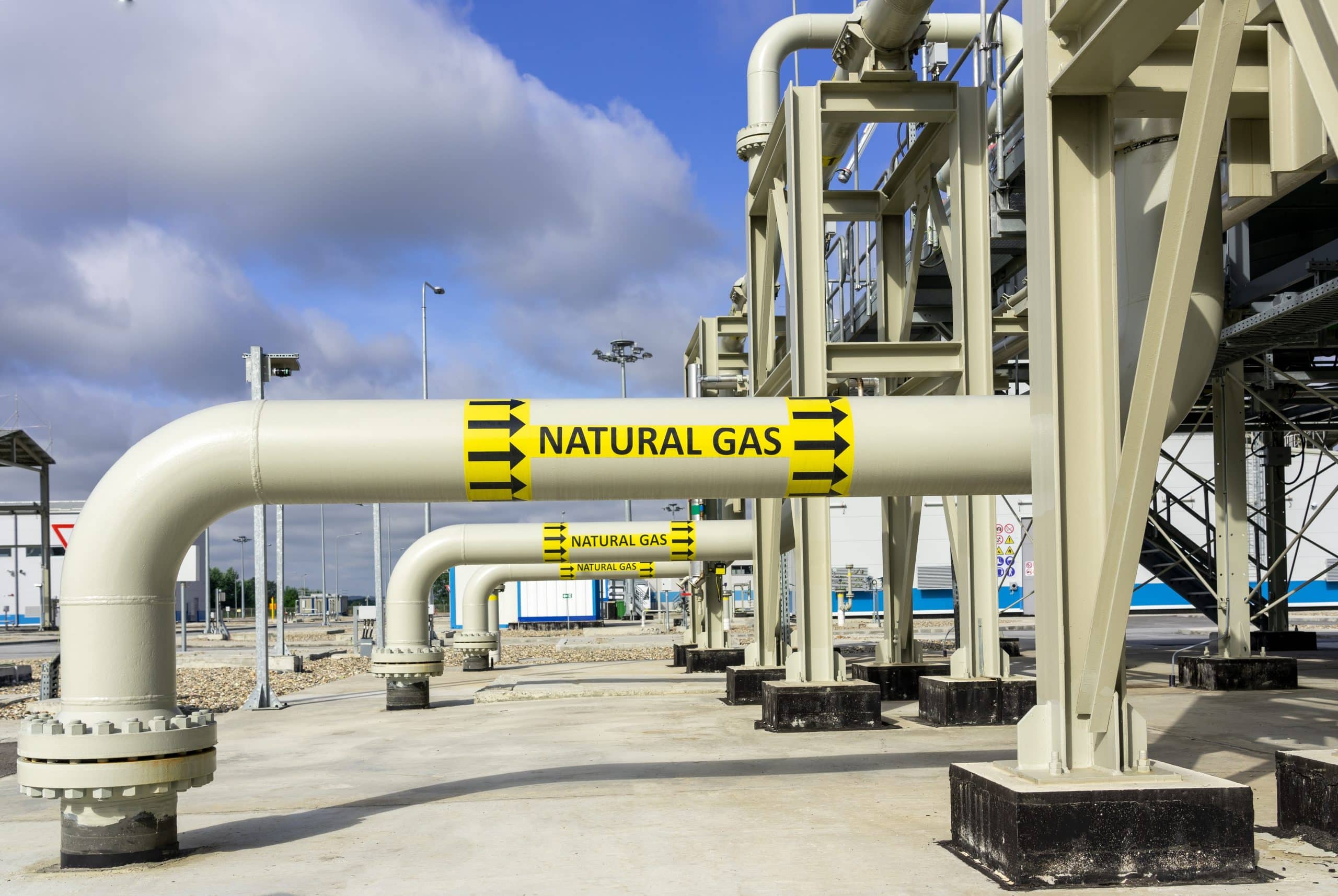
The Natural Gas July 2026 contract delivered another strong week of performance, advancing roughly 2.50% and ending near 3.1980. The move reinforces natural gas’s position as one of the stronger-performing commodity assets in June 2026, supported by early seasonal heat waves, moderating domestic production, and smaller inventory injections than historical benchmarks.
For global investors, including institutional investors in Israel, the energy commodities market remains a key indicator of underlying inflationary pressures and structural real-asset trends. The latest gains suggest investors continue to view energy markets as an attractive destination amid ongoing diversification and risk-management strategies within international multi-asset portfolios.
Strong Mid-Week Breakout Drives Weekly Performance
Natural gas’s weekly advance was largely driven by a significant breakout during the middle of the week. After beginning the period near the 3.00–3.05 range, the contract surged above 3.25, maintaining most of those gains despite a late-session Friday consolidation where prices adjusted downward by a minor 1.08% (or 0.0350 points).
The move reflects continued confidence in the underlying fundamentals of the domestic power generation sector, particularly as utilities accelerate fuel burn to satisfy escalating cooling demands across major consumption corridors. Industrial end-users, electricity providers, and trading desks continue to attract investor attention as summer seasonal temperatures expand across the hemisphere.
Importantly, the contract reached a peak of 3.2936 during the mid-week squeeze, suggesting that investors continue to reward demand resilience despite a more uncertain global macroeconomic backdrop.
Storage Data and LNG Export Capacity Support Energy Markets
One of the most important structural drivers behind natural gas’s market performance remains the ongoing adjustment in inventory dynamics and global export capacity. The latest weekly reports from the U.S. Energy Information Administration (EIA) confirmed a below-consensus injection of 73 billion cubic feet into storage facilities, highlighting that the persistent gap between robust power burn and steady production is narrowing the historic storage overhang.
Foreign investment flows have remained a major pillar of support for energy equities and futures. Global asset managers continue seeking exposure to markets that offer a combination of organic demand tailwinds, geopolitical risk cushions, and a clear correlation with real-world activity. Compared with international gas benchmarks facing distinct regional constraints, the domestic prompt-month contract continues to benefit from its relative attractiveness within diversified commodity portfolios.
Weather Variations and Infrastructure Bottlenecks Remain Key Risks
While price performance remains constructive, investors continue monitoring short-term adjustments across weather forecast models and export logistics. Any sudden cooling down of summer heat projections could reduce power-sector fuel consumption, while unexpected shifts in terminal maintenance timelines at major liquefied natural gas (LNG) hubs could trap gas domestically and depress near-term pricing.
At the same time, broader global risks—including shifts in crude oil drilling that yield associated natural gas, fluid fiscal configurations in major industrialized importing nations, and general currency volatility—could affect risk appetite across global financial markets. The export-driven components of the industry remain sensitive to shifts in external macro conditions.
Outlook: The outlook for Natural Gas futures remains constructively balanced, with momentum continuing to support the broader upward trend. Further gains may depend on sustained above-average seasonal temperatures, continued inventory normalization, and stable international LNG export flows. However, investors should remain attentive to potential downside risks, including volatile weather revisions, unexpected production spikes in leading supply basins, and geopolitical developments that could introduce renewed market volatility. While the long-term structural demand story for the peak summer cooling season remains favorable, future performance will likely depend on the balance between realized weather severity and evolving global macroeconomic conditions.
Comparison, examination, and analysis between investment houses
Leave your details, and an expert from our team will get back to you as soon as possible
* This article, in whole or in part, does not contain any promise of investment returns, nor does it constitute professional advice to make investments in any particular field.
To read more about the full disclaimer, click here
- sagi habasov
- •
- 7 Min Read
- •
- ago 35 minutes
SKN | TA Banks 5 Index Slips Below 7,700 as Israeli Banking Sector Faces Weekly Correction
The TA Banks 5 Index delivered a weaker week of performance, declining roughly 4.51% and ending near 7,618.56. The
- ago 35 minutes
- •
- 7 Min Read

The TA Banks 5 Index delivered a weaker week of performance, declining roughly 4.51% and ending near 7,618.56. The

- orshu
- •
- 7 Min Read
- •
- ago 56 minutes
SKN | TA-SME60 Index Eases Below 1,420 as Israeli Small-Caps Face Weekly Correction
The TA-SME60 Index delivered a weaker week of performance, declining roughly 4.54% and ending near 1,409.57. The move reinforces
- ago 56 minutes
- •
- 7 Min Read

The TA-SME60 Index delivered a weaker week of performance, declining roughly 4.54% and ending near 1,409.57. The move reinforces

- Ronny Mor
- •
- 7 Min Read
- •
- ago 2 hours
SKN | Brent Crude Oil Futures Slip Below 81 as Geopolitical De-Escalation Triggers Weekly Correction
The Brent Crude Oil Last Day Financial contract delivered a weaker week of performance, declining roughly 7.72% and ending
- ago 2 hours
- •
- 7 Min Read
The Brent Crude Oil Last Day Financial contract delivered a weaker week of performance, declining roughly 7.72% and ending

- omer bar
- •
- 7 Min Read
- •
- ago 2 hours
SKN | Crude Oil Futures Slip Below 77 as Geopolitical De-Escalation Triggers Weekly Correction
The Crude Oil August 2026 contract delivered a weaker week of performance, declining roughly 9.83% and ending near 76.54.
- ago 2 hours
- •
- 7 Min Read

The Crude Oil August 2026 contract delivered a weaker week of performance, declining roughly 9.83% and ending near 76.54.


