





- orshu
- •
- 7 Min Read
- •
- 3 hours ago
Key Points
- American Airlines (NASDAQ: AAL) gained 2.68% during June 16 trading, supported by improving sentiment across the airline sector as lower oil prices boosted margin expectations.
- Analysts project revenue growth of 15.61% for the current quarter and 13.79% for fiscal 2026, signaling expectations for continued demand recovery.
- Despite recent gains, earnings forecasts have weakened significantly over recent months, highlighting ongoing challenges facing the airline industry.
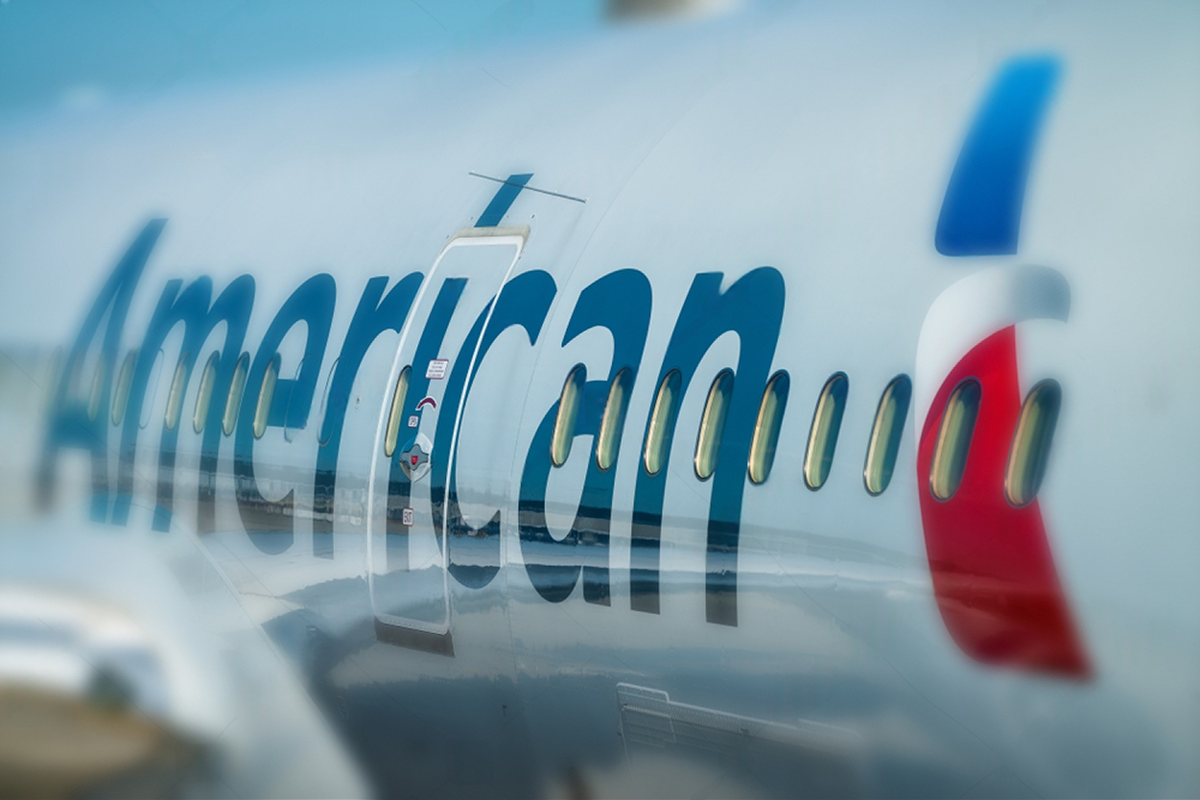
American Airlines Group Inc. (AAL) attracted investor attention on June 16 after shares climbed to $15.88 during intraday trading, extending gains across the airline sector. The move coincided with renewed optimism surrounding lower fuel costs following easing oil prices, a development that could improve operating margins for airlines globally.
The rally reflects a broader market theme in which transportation stocks have benefited from declining energy costs. For investors, the key question is whether improving cost dynamics can offset lingering profitability concerns and support a more sustainable earnings recovery for one of the world’s largest airlines.
Market Reaction Signals Improved Airline Sentiment
As of 1:13 p.m. EDT, American Airlines shares traded at $15.88, up 2.68% from the previous close of $15.46. The stock traded within a daily range of $15.58 to $16.19, reflecting strong buying interest following reports that easing geopolitical tensions and lower oil prices could reduce fuel-related expenses for carriers.
The positive move was not isolated to American Airlines. Airline stocks broadly outperformed as investors reassessed earnings prospects in a potentially lower-cost operating environment. Since fuel is typically one of the largest expenses for commercial airlines, any sustained decline in crude oil prices can have a meaningful impact on profitability.
From a broader market perspective, lower energy prices often create a rotation effect. While energy producers may face pressure from declining crude prices, transportation companies, logistics operators, and airlines can benefit from lower operating costs. This dynamic can influence sector performance across major U.S. equity indices, particularly within industrial and transportation components.
Earnings Outlook Shows Growth Potential but Also Warning Signs
Analyst expectations continue to indicate robust revenue growth. For the current quarter ending June 2026, Wall Street forecasts revenue of approximately $16.64 billion, representing estimated growth of 15.61% compared with the same period a year earlier. Full-year revenue projections stand at $62.17 billion, implying annual growth of 13.79%.
However, the earnings picture is considerably more complex. Analysts currently expect earnings per share of just $0.01 for the current quarter, compared with $0.95 during the comparable year-ago period. Current-year earnings estimates have also deteriorated substantially over recent months, falling from expectations of $1.99 per share ninety days ago to a projected loss of $0.06 per share today.
These revisions suggest that while demand remains relatively strong, profitability pressures continue to weigh on the business. Factors including labor costs, fleet investments, debt servicing expenses, and competitive pricing remain key concerns for investors evaluating the airline sector.
Operational Performance and Strategic Implications
American Airlines has delivered mixed earnings results over the past year. The company exceeded analyst expectations in three of its last four reported quarters, including a positive earnings surprise of 38.21% in the third quarter of fiscal 2025. Nevertheless, earnings volatility remains a defining characteristic of the airline industry.
The company’s market capitalization stood at approximately $10.5 billion, while its trailing price-to-earnings ratio measured 51.27, reflecting investor expectations for future profitability improvements despite near-term uncertainty.
For Israeli investors following global transportation trends, developments at American Airlines may offer insight into broader industry conditions. Airlines worldwide face similar drivers, including fuel costs, travel demand, geopolitical developments, and economic growth trends. Consequently, shifts in U.S. airline profitability often provide signals about conditions across international aviation markets.
Looking ahead, investors will closely monitor oil price movements, summer travel demand, and the company’s upcoming earnings report currently expected in July 2026. A sustained decline in fuel costs could provide additional support for operating margins, while stronger passenger volumes may reinforce revenue growth expectations. However, risks remain, including economic slowdowns, changes in consumer spending patterns, labor cost inflation, and potential disruptions to global travel activity. The balance between revenue growth and margin expansion will likely determine whether American Airlines can convert today’s market optimism into a longer-term improvement in financial performance.
Comparison, examination, and analysis between investment houses
Leave your details, and an expert from our team will get back to you as soon as possible
* This article, in whole or in part, does not contain any promise of investment returns, nor does it constitute professional advice to make investments in any particular field.
To read more about the full disclaimer, click here
- omer bar
- •
- 8 Min Read
- •
- ago 1 hour
SKN | Is Microsoft Really a Deep Value Stock? AI Leadership Challenges Traditional Valuation Metrics
Microsoft Corporation is rarely associated with the term "deep value stock." Traditionally, deep value investments are companies trading at
- ago 1 hour
- •
- 8 Min Read

Microsoft Corporation is rarely associated with the term "deep value stock." Traditionally, deep value investments are companies trading at

- Arik Arkadi Sluzki
- •
- 8 Min Read
- •
- ago 1 hour
SKN | Apple Set for a Strong Second Half? AI, Services Growth, and Product Cycles Could Drive Momentum
Apple Inc. enters the second half of 2026 facing a critical period for both investors and the broader technology
- ago 1 hour
- •
- 8 Min Read

Apple Inc. enters the second half of 2026 facing a critical period for both investors and the broader technology

- Lior mor
- •
- 8 Min Read
- •
- ago 2 hours
SKN | Could Micron Reach New Highs by 2027? AI Demand Fuels Bullish Long-Term Outlook
Micron Technology has emerged as one of the primary beneficiaries of the global artificial intelligence investment cycle. As demand
- ago 2 hours
- •
- 8 Min Read

Micron Technology has emerged as one of the primary beneficiaries of the global artificial intelligence investment cycle. As demand
- omer bar
- •
- 8 Min Read
- •
- ago 2 hours
SKN | A 6% Yield on Alphabet? The Income Opportunity Comes With Significant Trade-Offs
Alphabet Inc., the parent company of Google, has become one of the central beneficiaries of the artificial intelligence investment
- ago 2 hours
- •
- 8 Min Read

Alphabet Inc., the parent company of Google, has become one of the central beneficiaries of the artificial intelligence investment


