





- sagi habasov
- •
- 7 Min Read
- •
- 3 hours ago
Key Points
- The Bank of Japan raised its key policy rate by 25 basis points to 1.0%, bringing borrowing costs to their highest level in approximately 30 years.
- Rising inflation pressures, fueled in part by higher energy prices during the Iran conflict, continue to challenge Japan's economy and support the central bank's policy normalization efforts.
- The rate increase marks another step away from decades of ultra-loose monetary policy that kept interest rates near or below zero in an effort to combat deflation.
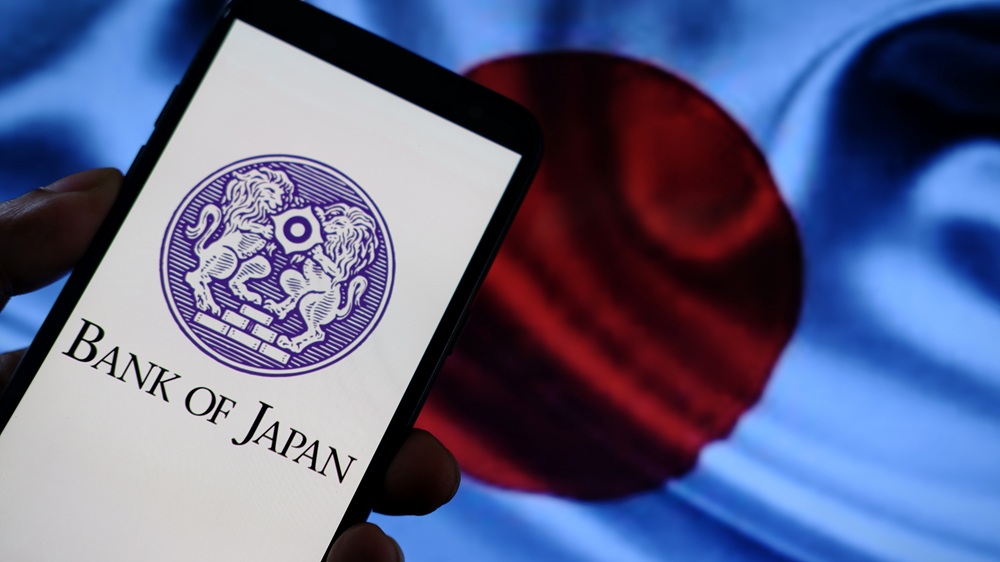
The Bank of Japan raised its benchmark uncollateralized overnight call rate by 25 basis points on Tuesday, increasing the policy rate from 0.75% to 1.0%.
The move pushes Japanese interest rates to their highest level in roughly three decades and signals the central bank’s determination to continue normalizing monetary policy after years of extraordinary stimulus measures.
For much of the past three decades, Japan maintained some of the lowest interest rates in the world as policymakers attempted to revive economic growth and combat persistent deflationary pressures.
Inflation Remains a Key Concern
The decision comes as Japan faces elevated inflation pressures, particularly from higher energy costs.
The conflict involving Iran significantly disrupted global energy markets earlier this year, driving oil prices sharply higher and increasing import costs for energy-dependent economies.
Japan remains particularly vulnerable because it imports the vast majority of its oil and natural gas requirements. Rising fuel costs have increased pressure on consumers and businesses while contributing to broader inflation across the economy.
The recent peace agreement involving Iran has helped ease some energy market concerns, but policymakers appear focused on ensuring inflation expectations remain under control.
End of the Ultra-Low Rate Era
For decades, the Bank of Japan pursued some of the world’s most accommodative monetary policies.
Interest rates remained near zero—or even below zero at times—as officials sought to encourage borrowing, investment, and consumer spending.
The strategy was designed to break a long cycle of weak growth and falling prices that characterized much of Japan’s economy since the 1990s.
Recent inflation trends, stronger wage growth, and improving domestic demand have provided policymakers with greater confidence to gradually remove monetary stimulus.
Impact on the Japanese Yen
The higher interest rate may also provide support for Japan’s currency.
The Japanese yen has faced sustained weakness in recent years as investors sought higher returns in countries offering substantially higher interest rates.
The currency recently traded near 160 yen per U.S. dollar, levels that have raised concerns among policymakers about imported inflation and financial stability.
A higher policy rate narrows the interest rate gap between Japan and other major economies, potentially making yen-denominated assets more attractive to investors.
Leadership Transition During Decision
The rate decision came while Bank of Japan Governor Kazuo Ueda remains hospitalized.
Deputy Governor Shinichi Uchida is expected to represent the central bank during post-meeting communications and explain the rationale behind the latest policy move.
Markets will closely monitor any comments regarding future rate increases and the pace of policy normalization over the coming quarters.
Market Reaction
Japanese equities initially reacted positively before giving back some gains.
The Nikkei 225 briefly surpassed the 70,000-point level early Tuesday, reflecting continued investor optimism about the domestic economy despite higher borrowing costs.
Investors appear to view the rate increase as evidence that Japan’s economic recovery remains sufficiently strong to withstand tighter monetary conditions.
Outlook
The latest rate hike reinforces the Bank of Japan’s transition away from the extraordinary policies that defined much of the country’s modern economic history.
Future policy decisions will likely depend on inflation trends, wage growth, economic activity, and the extent to which lower energy prices following the Iran agreement help ease price pressures.
While the pace of future tightening remains uncertain, the Bank of Japan has clearly signaled that the era of near-zero interest rates is ending as policymakers seek a more sustainable balance between economic growth and price stability.
Comparison, examination, and analysis between investment houses
Leave your details, and an expert from our team will get back to you as soon as possible
* This article, in whole or in part, does not contain any promise of investment returns, nor does it constitute professional advice to make investments in any particular field.
To read more about the full disclaimer, click here
- sagi habasov
- •
- 6 Min Read
- •
- ago 12 minutes
SKN | SpaceX Extends Rally as Retail Investor Enthusiasm Fuels Secondary Market Demand
Interest in SpaceX intensified this week as reports of continued buying activity pushed secondary-market valuations higher for a third
- ago 12 minutes
- •
- 6 Min Read

Interest in SpaceX intensified this week as reports of continued buying activity pushed secondary-market valuations higher for a third

- Lior mor
- •
- 7 Min Read
- •
- ago 33 minutes
SKN | AI Could Add €15 Billion to Hungary’s Economy by 2030, McKinsey Says
According to a new McKinsey analysis, artificial intelligence could unlock roughly €15 billion in productivity gains for Hungary by the
- ago 33 minutes
- •
- 7 Min Read

According to a new McKinsey analysis, artificial intelligence could unlock roughly €15 billion in productivity gains for Hungary by the

- omer bar
- •
- 8 Min Read
- •
- ago 2 hours
SKN | Meta Shares Climb Nearly 5% as Peace Deal and Falling Rates Boost Tech Stocks
Meta Platforms shares climbed approximately 5% during Monday's session as investors reacted positively to easing geopolitical tensions and improving market
- ago 2 hours
- •
- 8 Min Read

Meta Platforms shares climbed approximately 5% during Monday's session as investors reacted positively to easing geopolitical tensions and improving market
- omer bar
- •
- 6 Min Read
- •
- ago 2 hours
SKN | SpaceX Emerges as Retail Investors’ Most Sought-After IPO Opportunity
SpaceX has emerged as one of the most closely watched private companies in global financial markets, becoming what many
- ago 2 hours
- •
- 6 Min Read
SpaceX has emerged as one of the most closely watched private companies in global financial markets, becoming what many


