





- sagi habasov
- •
- 11 Min Read
- •
- 3 hours ago
Key Points
- Advanced aerospace and telecommunications conglomerate SpaceX closed the most highly anticipated primary offering in financial history, pricing a $75 billion capital raise at a $1.7 trillion baseline valuation.
- A highly liquid 19% opening-session surge expanded the enterprise’s market capitalization to $2.1 trillion, lifting Elon Musk’s consolidated net worth to an unprecedented $1.1 trillion.
- The transaction mechanics disrupted classical G7 underwriting models, with corporate treasury routing an anomalous 30% of the offering directly to retail allocators to bypass institutional balance sheet compliance.
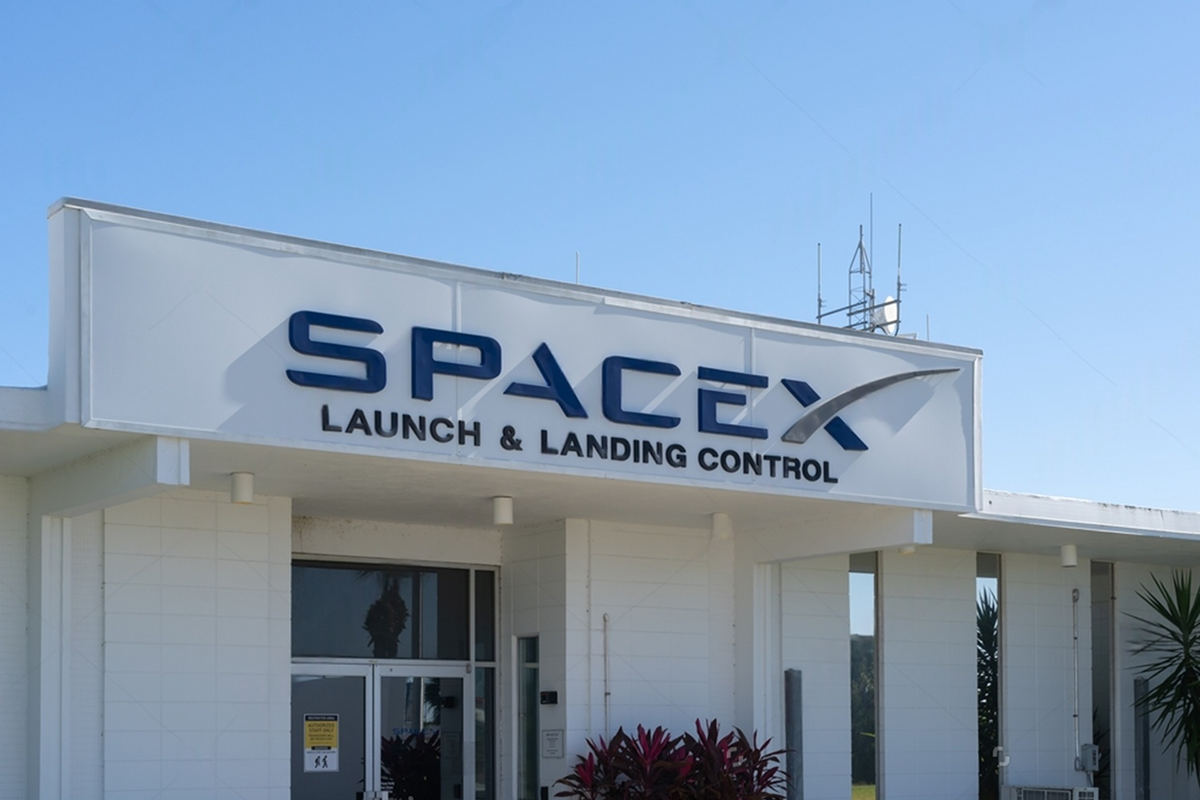
Systemic realignments across the global capital clearings absorbed a historic structural shift in mid-June 2026, driven by the public exchange debut of frontier infrastructure operator SpaceX (Nasdaq: SPCX). This multi-billion-dollar initial public offering completely dissolved standard sell-side discount cash flow models, establishing a clear macro precedent: in contemporary high-velocity markets, the capacity to aggregate structural crowd velocity and systemic FOMO eclipses legacy balance-sheet metrics. The listing did not merely redistribute sovereign-scale liquid capital; it institutionalized a structural corporate financing regime where an enterprise’s valuation is driven by the unique psychological alpha of its controlling founder rather than trailing book values.
Bespoke Capital Syndication Tracks and Commercial Underwriting Deficits
Granular fundamental auditing of the registered SpaceX prospectus outlined an exceptional operational risk profile that compelled conservative institutional desks to adopt a defensive posture. The corporate entity engaged public clearing houses carrying a historic $41.3 milestone accumulated deficit, complemented by a consolidated net loss of approximately $5 billion for fiscal year 2025 and an organic top-line expansion rate of 35%—a robust baseline that nonetheless failed to justify premium hardware sales multiples under standard modeling. Macro allocators managing large pension mandates displayed notable inertia toward the $1.7 trillion capitalization target, particularly within a restrictive Federal Reserve regime guided by Chairman Kevin Warsh.
To circumvent traditional institutional balance-sheet compliance filters, corporate treasury engineered an unprecedented alternative placement framework: routing a massive 30% of total primary shares directly to self-directed retail accounts. Digital brokerages, including Robinhood, Charles Schwab, and Fidelity, compressed minimum capital allocation thresholds to an absolute low of $2,000, enabling millions of micro-allocators to inject instantaneous baseline demand to clear the offering. Ultimately, retail desks absorbed nearly 20% of the aggregate flotation, granting executive management the unique leverage to dictate opening valuations while compelling the Nasdaq and Russell indexing committees to suspend baseline structural inclusion metrics, leaving only the S&P 500 defending traditional criteria.
Opening Session Micro-Variables and Sovereign Wealth Consolidation Metrics
Trading in the SPCX equity layer commenced at a liquid $150 baseline, rapidly absorbing cross-border momentum to challenge a session high of $176 before consolidating at a definitive $161 close. Volume metrics optimized at an exceptional 500 million shares cleared within the opening window—matching the historic structural scaling patterns recorded during tier-one social media listings in the preceding decade. This terminal close assigns an expanded market capitalization of $2.1 trillion to SpaceX, positioning the entity as the seventh-largest corporate capital aggregate globally, three echelons above sister entity Tesla Motors, which anchors at position ten.
The successful execution of this primary raise officially establishes Elon Musk as the world’s premier sovereign-scale trillionaire. His direct equity concentration within the space technology architecture optimizes at a current valuation of $800 billion, which paired with his $280 billion equity stake in Tesla, aggregates a personal balance sheet of $1.1 trillion. This concentration of private financial liquidity surpasses the consolidated net worth of the subsequent five global billionaires combined, eclipsing the gross domestic product of advanced sovereign economies including Taiwan, Ireland, and Sweden. Furthermore, the corporate charter incorporates strict non-voting super-shares, locking over 80% of systemic voting control and exclusive board election rights with the founder, rendering the public corporation an entirely centralized private operational vehicle.
Lock-Up Structural Relaxation Patterns and the Generative AI Capital Race
Beyond front-month public optimism, precise institutional risk analysis identifies meaningful structural headwinds confronting the equity layer over the medium-term macro horizon. Corporate treasury successfully negotiated an intense relaxation of traditional insider lock-up rules; while standard G7 listing frameworks restrict early-stage venture allocators and employees from liquidating equity for 180 days to insulate the secondary float, the SpaceX framework allows micro-allocators and internal staff to initiate liquidity transactions within the upcoming weekly settlement windows (while Musk remains locked for 12 months). This technical supply overhang risks generating persistent near-term downward pressure on the equity curve prior to the issuance of Q2 financial updates, which are historically volatile due to the irregular capital expenditure cycles governing heavy launch architecture.
Across the broader technology landscape, the successful closing of SPCX delivers a primary structural catalyst to generative artificial intelligence operators OpenAI and Anthropic as they accelerate their respective confidential September public offerings. The preceding two-week trading sequence registered targeted de-risking across established mega-cap tech tranches as institutional desks generated the immediate fiat liquidity required to clear SpaceX capital calls. However, strategists expect a rapid rotation of institutional focus as the AI IPO dates approach; the predictable recurring software revenue models (SaaS) underlying OpenAI present far lower analytical friction for corporate accounting desks than the integrated satellite, media, and ballistic hardware ecosystems making up SpaceX, which may prompt an immediate secondary reallocation of macro portfolios across Wall Street.
Looking Ahead
SpaceX’s multi-billion-dollar market debut confirms that global asset pricing models have migrated into an era governed by pure structural sentiment, forward-looking hardware narratives, and unprecedented founder premium variables. Institutional portfolio managers recognize that while a 19% opening-day expansion validates near-term momentum, current trailing enterprise multiples leave zero margin for operational execution failures, particularly given long-term speculation surrounding a potential structural consolidation of Tesla into the core aerospace conglomerate. Over the medium-term horizon, public equity clearings will inevitably compel asset pricing to contract toward real-sector productivity metrics, meaning only consistent yield optimization and precise quarterly tracking will defend a multi-trillion-dollar capitalization. Discerning market participants, whose core passive allocations track heavy technology benchmarks, must realize that when a single founder commands the economic footprint of a sovereign state, rigorous risk mitigation and selective individual equity targeting are the only mechanisms capable of insulating long-term capital from the profound liquidity shocks of the scaling AI era.
Comparison, examination, and analysis between investment houses
Leave your details, and an expert from our team will get back to you as soon as possible
* This article, in whole or in part, does not contain any promise of investment returns, nor does it constitute professional advice to make investments in any particular field.
To read more about the full disclaimer, click here
- orshu
- •
- 7 Min Read
- •
- ago 8 hours
SKN | Tel Aviv Markets Slide Sharply as TA-125 and Banking Stocks Lead Broad-Based Declines
Israeli financial markets are trading lower as of June 15, 2026, with broad-based declines across equity benchmarks reflecting sustained selling
- ago 8 hours
- •
- 7 Min Read

Israeli financial markets are trading lower as of June 15, 2026, with broad-based declines across equity benchmarks reflecting sustained selling
- orshu
- •
- 8 Min Read
- •
- ago 13 hours
SKN | Global Markets Brace for Super Thursday Monetary Decisions and Consumer Demands as Central Bank Policy Converges
Global financial markets enter the week of June 15, 2026, facing one of the most significant macro policy junctions of
- ago 13 hours
- •
- 8 Min Read

Global financial markets enter the week of June 15, 2026, facing one of the most significant macro policy junctions of

- Ronny Mor
- •
- 8 Min Read
- •
- ago 14 hours
SKN | What the Pet Food Aisle Reveals About the U.S. Consumer, According to Bank of America CEO Brian Moynihan
The U.S. consumer remains a central driver of global economic activity, but traditional macro indicators are increasingly being supplemented by
- ago 14 hours
- •
- 8 Min Read

The U.S. consumer remains a central driver of global economic activity, but traditional macro indicators are increasingly being supplemented by

- sagi habasov
- •
- 8 Min Read
- •
- ago 16 hours
SKN | Asian Markets Surge on June 15 as KOSPI and Nikkei Lead Broad-Based Rally Across Regional Benchmarks
Asian equity markets rallied sharply during Monday morning's session on June 15, with major benchmarks across the region moving higher
- ago 16 hours
- •
- 8 Min Read

Asian equity markets rallied sharply during Monday morning's session on June 15, with major benchmarks across the region moving higher


