





- Lior mor
- •
- 6 Min Read
- •
- 12 hours ago
Key Points
- The Australian Dollar Currency Index (XDA) finished the week broadly unchanged, closing near 70.45 after recovering from mid-week weakness.
- Commodity market resilience and stable risk sentiment supported the Australian dollar, despite ongoing concerns regarding global growth and interest-rate expectations.
- Currency volatility remains elevated as investors assess China's economic outlook, Federal Reserve policy, and geopolitical developments affecting global trade flows.
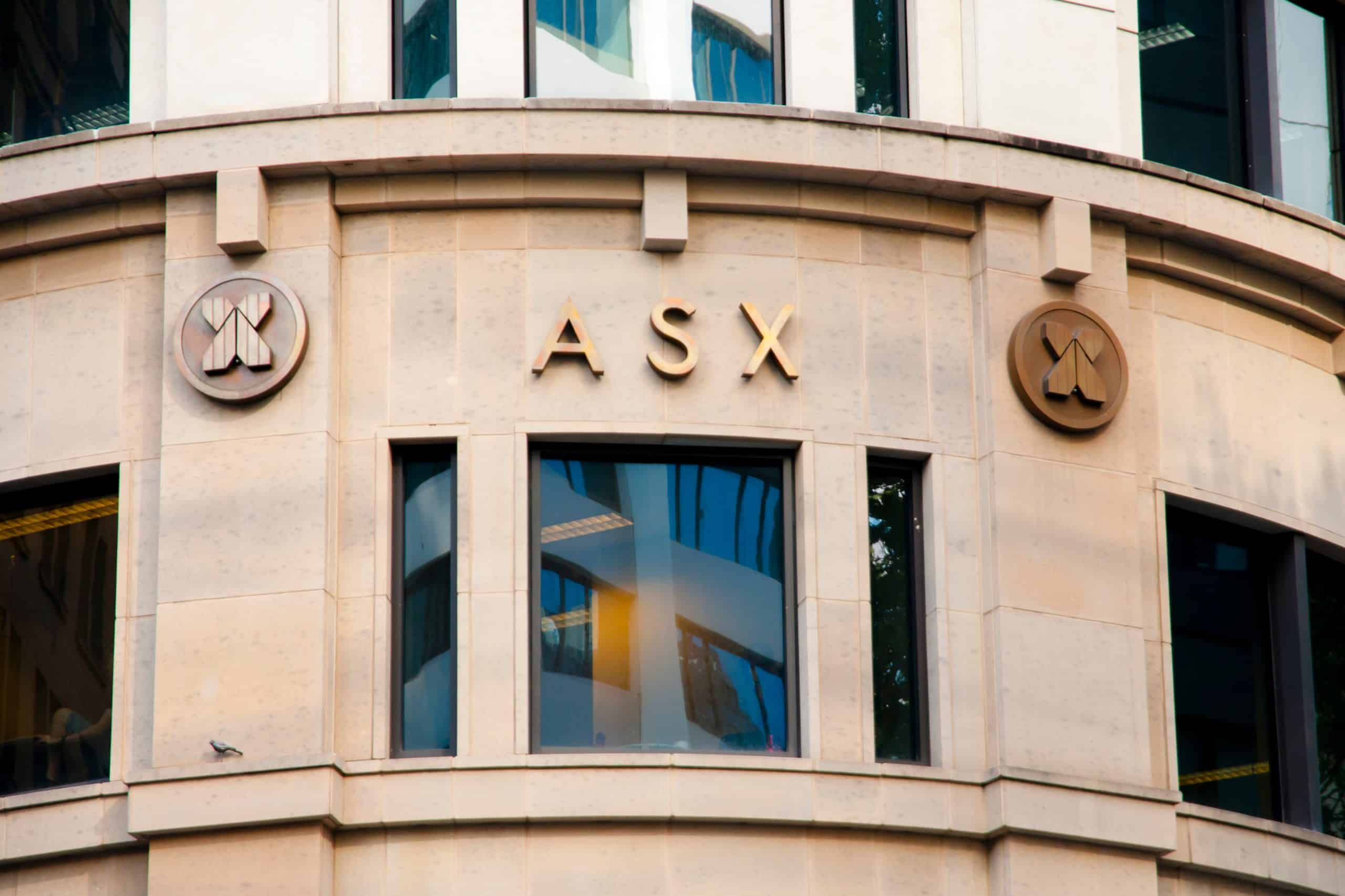
The Australian Dollar Currency Index (XDA) ended the week near 70.45, posting a marginal decline of approximately 0.04% over the five-day period. While the weekly move appears modest, underlying trading activity reflected a market navigating competing forces, including commodity-price support, evolving central-bank expectations, and broader shifts in global risk appetite. The Australian dollar remains one of the most closely watched risk-sensitive currencies, making its performance an important indicator for global macro investors.
Australian Dollar Recovers After Mid-Week Weakness
The currency experienced notable volatility during the week. Early selling pressure pushed the index below the 70.00 level before a sharp rebound emerged during the latter half of the week. The recovery ultimately allowed the Australian dollar to finish near the upper end of its recent trading range, suggesting investors remained willing to maintain exposure to commodity-linked currencies despite lingering macroeconomic uncertainty.
Australia’s economy remains heavily influenced by global demand for natural resources, particularly iron ore, liquefied natural gas, and other industrial commodities. As a result, movements in commodity markets continue to play a significant role in determining currency direction. Recent stabilization in resource prices appears to have provided support even as broader financial markets remained cautious.
Interest-Rate Expectations Continue to Drive Currency Markets
A major influence on the Australian dollar remains the divergence between global central-bank policies. Investors continue to assess the future path of the Reserve Bank of Australia (RBA) relative to the U.S. Federal Reserve and other major monetary authorities.
Any indication that Australian interest rates may remain elevated for longer could provide support for the currency through yield differentials. However, this dynamic remains highly sensitive to incoming inflation data and labor-market conditions. Currency markets have become increasingly reactive to economic releases as investors attempt to determine when major central banks may begin easing monetary policy.
China and Global Growth Outlook Remain Critical Factors
The Australian dollar’s performance remains closely tied to economic activity in China, Australia’s largest trading partner. Signs of stabilization in Chinese industrial activity or infrastructure spending typically support demand expectations for Australian exports. Conversely, weaker growth data can quickly weigh on sentiment toward the currency.
For Israeli investors monitoring global asset allocation trends, the Australian dollar provides insight into broader risk appetite, commodity demand, and Asia-Pacific economic conditions. The currency often serves as a barometer for global growth expectations and can offer valuable signals regarding international capital flows.
Outlook: Looking ahead, the outlook for the Australian dollar remains constructively balanced but highly data dependent. Further stability could emerge if commodity markets remain resilient, Chinese economic indicators improve, and global risk sentiment remains supportive. However, downside risks continue to warrant close attention, including slower global growth, renewed U.S. dollar strength, escalating geopolitical tensions, and unexpected shifts in monetary policy expectations. Professional investors are likely to focus on inflation trends, commodity-price movements, and central-bank communications as key determinants of the currency’s next directional move.
Comparison, examination, and analysis between investment houses
Leave your details, and an expert from our team will get back to you as soon as possible
* This article, in whole or in part, does not contain any promise of investment returns, nor does it constitute professional advice to make investments in any particular field.
To read more about the full disclaimer, click here
- Lior mor
- •
- 6 Min Read
- •
- ago 5 hours
SKN | The EUR/USD Resiliency Above 1.1560 Highlights an Institutional Tug-of-War as the ECB Hikes Rates Against Deepening Transatlantic Macro Divergence
The EUR/USD exchange cross experienced highly reactive bi-directional price tracking this week, consolidating late-cycle shifts to finish Friday at
- ago 5 hours
- •
- 6 Min Read

The EUR/USD exchange cross experienced highly reactive bi-directional price tracking this week, consolidating late-cycle shifts to finish Friday at

- Arik Arkadi Sluzki
- •
- 6 Min Read
- •
- ago 6 hours
SKN | The USD/JPY Volatility Spike Reveals an Institutional Re-Calibration of Central Bank Intervention Limits and Carry-Trade Constraints
The USD/JPY currency cross experienced highly reactive bi-directional price discovery this week, executing a dramatic mid-week structural drop before
- ago 6 hours
- •
- 6 Min Read

The USD/JPY currency cross experienced highly reactive bi-directional price discovery this week, executing a dramatic mid-week structural drop before

- sagi habasov
- •
- 6 Min Read
- •
- ago 7 hours
SKN | The USD/AUD Premium Deflation Reveals an Institutional Re-Calibration of High-Beta Cyclical Exposure
The USD/AUD currency cross experienced highly reactive bi-directional price discovery this week, enduring an intensive mid-week premium expansion before
- ago 7 hours
- •
- 6 Min Read

The USD/AUD currency cross experienced highly reactive bi-directional price discovery this week, enduring an intensive mid-week premium expansion before

- orshu
- •
- 6 Min Read
- •
- ago 7 hours
SKN | The USD/CAD Rebound Above 1.3980 Highlights an Institutional Tug-of-War Over North American Interest Rate Differentials
The USD/CAD currency pair experienced highly reactive bi-directional price discovery this week, executing a sharp mid-week drop before recovering
- ago 7 hours
- •
- 6 Min Read

The USD/CAD currency pair experienced highly reactive bi-directional price discovery this week, executing a sharp mid-week drop before recovering


