





- omer bar
- •
- 8 Min Read
- •
- 2 hours ago
Key Points
- Artificial intelligence has become a primary target of state-sponsored cyber espionage as strategic competition between China and the United States accelerates.
- U.S. technology restrictions appear to be increasing incentives for Chinese-linked groups to acquire AI capabilities through cyber operations.
- Cybersecurity is emerging as a critical battleground in the global AI race, alongside semiconductor access and computing infrastructure.
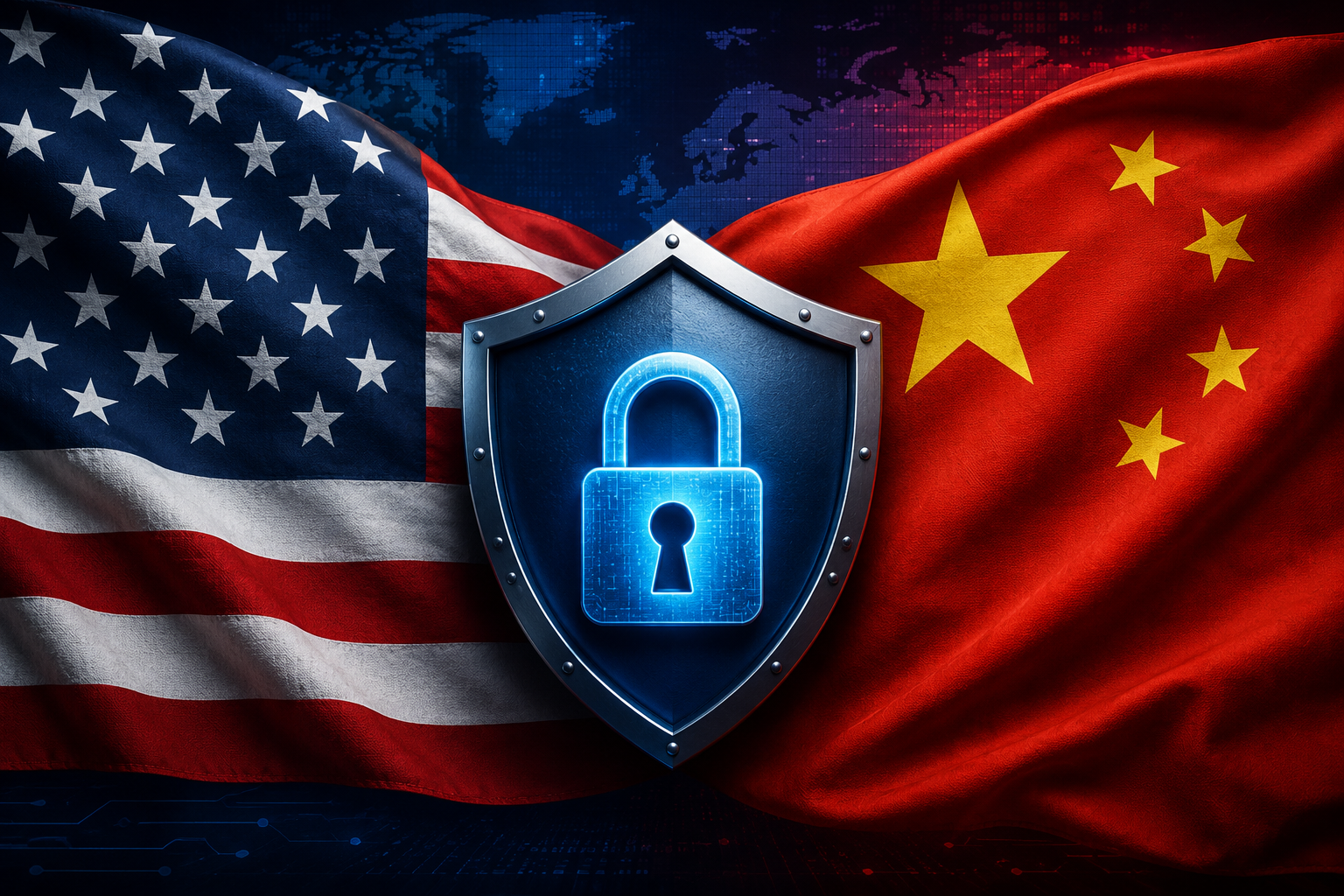
Artificial Intelligence Has Become a Strategic National Asset
The global competition for artificial intelligence leadership is increasingly extending beyond laboratories, data centers, and semiconductor supply chains into cyberspace. According to cybersecurity firm CrowdStrike, China-linked entities were responsible for more than 58% of state-sponsored cyberattacks targeting technology companies over the past year, with a particular focus on AI-related assets and intellectual property.
The findings highlight a broader shift in the geopolitical significance of artificial intelligence. AI is no longer viewed solely as a commercial technology capable of improving productivity and creating new business models. Instead, governments increasingly regard advanced AI capabilities as strategic assets with implications for economic competitiveness, military modernization, cybersecurity, and national security. As a result, access to cutting-edge models, research, and technical expertise has become a matter of national interest.
Export Restrictions Are Reshaping the Competitive Landscape
The escalation in cyber espionage comes as the United States continues to restrict China’s access to advanced AI training chips and related technologies. These measures are designed to slow Beijing’s ability to develop frontier AI systems by limiting access to the computational resources required to train increasingly sophisticated models.
While Chinese technology companies have responded by developing more efficient AI architectures and reducing operating costs, the restrictions have increased pressure to close the innovation gap through alternative channels. According to CrowdStrike, Chinese-affiliated groups have targeted technology organizations and government communications networks while exploiting vulnerabilities to maintain long-term access to sensitive systems. This suggests that cyber operations are becoming an increasingly important component of China’s broader technology strategy as direct access to critical technologies becomes more constrained.
Intellectual Property Has Become the New Strategic Battlefield
The growing focus on AI-related cyberattacks reflects the rising value of intellectual property in the artificial intelligence era. Unlike traditional industrial espionage, where stolen designs might save months of development work, access to advanced AI research can accelerate progress across multiple sectors simultaneously, including defense, healthcare, cybersecurity, finance, and manufacturing.
Earlier this year, both Anthropic and OpenAI raised concerns regarding attempts by Chinese organizations to obtain competitive intelligence related to their technologies. While the boundaries between legitimate research, competitive analysis, and intellectual property theft can sometimes be difficult to define, the trend underscores the increasingly strategic nature of AI development. As leading laboratories push toward more advanced systems, the economic value of proprietary models and research techniques continues to rise, making them attractive targets for both state and non-state actors.
Cybersecurity Is Becoming a Core Component of AI Leadership
The report also demonstrates that success in artificial intelligence is no longer determined solely by research breakthroughs or computational power. The ability to protect intellectual property, secure development environments, and defend critical infrastructure is becoming equally important. As AI systems grow more capable, the value of the underlying technology increases, attracting increasingly sophisticated cyber threats.
CrowdStrike also identified activity linked to North Korean actors attempting to infiltrate technology workforces across North America, Europe, and Asia. While these operations are primarily focused on generating revenue for the regime, they further illustrate how technology companies have become central targets in broader geopolitical competition. The result is a security environment where talent, data, models, and infrastructure are all strategic assets requiring protection.
Looking Ahead
The intersection of artificial intelligence and cybersecurity is likely to become one of the defining themes of the next phase of global technology competition. Policymakers, technology companies, and investors will increasingly focus on how nations protect AI innovation while maintaining competitive advantages. As export controls tighten and AI capabilities become more valuable, cyber espionage is expected to remain a key tool in the struggle for technological leadership. The outcome of this contest may influence not only the future of AI development but also the balance of economic and strategic power between the world’s leading nations.
Comparison, examination, and analysis between investment houses
Leave your details, and an expert from our team will get back to you as soon as possible
* This article, in whole or in part, does not contain any promise of investment returns, nor does it constitute professional advice to make investments in any particular field.
To read more about the full disclaimer, click here
- Ronny Mor
- •
- 9 Min Read
- •
- ago 6 hours
SKN | Taiwan Considers Tougher AI Chip Export Controls to China Amid US Pressure
Taiwan is considering significantly tougher restrictions on artificial intelligence chip exports to China as part of ongoing discussions with the
- ago 6 hours
- •
- 9 Min Read

Taiwan is considering significantly tougher restrictions on artificial intelligence chip exports to China as part of ongoing discussions with the

- omer bar
- •
- 8 Min Read
- •
- ago 6 hours
SKN | Rivian R2 Launch Faces Scrutiny as Buyers Question Pricing and Feature Availability
Rivian officially opened customer orders and began deliveries of its R2 midsize electric SUV, marking one of the most important
- ago 6 hours
- •
- 8 Min Read

Rivian officially opened customer orders and began deliveries of its R2 midsize electric SUV, marking one of the most important

- Lior mor
- •
- 7 Min Read
- •
- ago 11 hours
SKN | Is India Becoming the Next AI Infrastructure Hub? Meta and Reliance Forge Strategic Data Center Alliance
Global technology markets are entering a new phase of infrastructure expansion as artificial intelligence demand accelerates the need for large-scale
- ago 11 hours
- •
- 7 Min Read

Global technology markets are entering a new phase of infrastructure expansion as artificial intelligence demand accelerates the need for large-scale
- omer bar
- •
- 7 Min Read
- •
- ago 14 hours
SKN | Is Apple Losing Its Growth Edge? Why AAPL Is Under Pressure in Today’s Tech Market Shift
Apple shares have recently come under pressure as investors evaluate the company’s near-term growth prospects against an increasingly competitive technology
- ago 14 hours
- •
- 7 Min Read

Apple shares have recently come under pressure as investors evaluate the company’s near-term growth prospects against an increasingly competitive technology


