


- Ronny Mor
- •
- 6 Min Read
- •
- 20 minutes ago
Key Points
- US Dollar Index (DXY) gained approximately 0.88% over the five-day trading period, closing at 100.07.
- A late-week surge pushed the dollar near its highest level in the recent trading range as demand for safe-haven assets increased.
- Currency strength highlights ongoing investor caution despite resilient equity market performance.
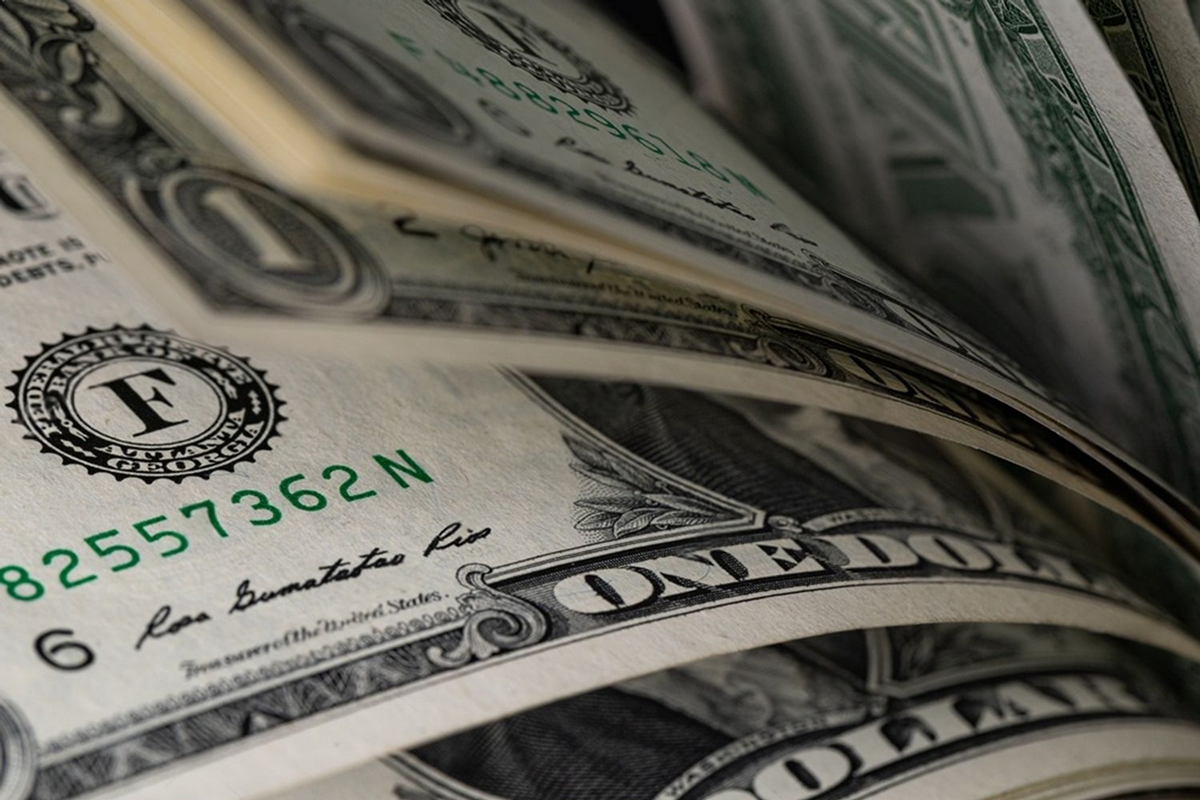
The US Dollar Index (DXY) strengthened over the past trading week, reversing earlier weakness and ending Friday at 100.07. The move came amid a backdrop of heightened geopolitical uncertainty, shifting interest-rate expectations, and continued investor focus on global growth prospects. While equity markets remained relatively resilient, currency markets signaled a more defensive positioning as capital flowed toward the world’s primary reserve currency.
Dollar Strength Accelerates Into Week-End
For much of the week, the DXY traded within a relatively narrow range between approximately 99.20 and 99.50, reflecting a balanced market environment. However, sentiment shifted notably during the final trading sessions, triggering a rapid move higher that carried the index above the psychologically important 100 level.
The five-day gain of approximately 0.88% may appear modest compared with historical currency volatility, but the concentrated nature of the advance suggests a meaningful reassessment of risk conditions. The dollar’s recovery occurred despite mixed economic signals, indicating that investor demand for liquidity and perceived safety played a significant role in driving the move.
Global Risk Dynamics Support Safe-Haven Demand
Currency markets often provide an early indication of changing investor sentiment. The strengthening dollar coincided with elevated geopolitical tensions and growing uncertainty surrounding global trade, energy markets, and fiscal policy developments. Such conditions frequently support demand for US dollar-denominated assets, particularly when investors seek stability during periods of heightened volatility.
For international investors, including those in Israel, dollar movements remain especially important. A stronger dollar can influence global capital flows, affect commodity pricing, and impact the valuation of foreign investments. Israeli institutional investors and exporters often monitor DXY trends closely because significant currency shifts can alter hedging strategies and portfolio allocations.
Implications for Markets and Monetary Policy Expectations
The dollar’s advance may also reflect evolving expectations regarding US monetary policy. If economic data continues to demonstrate resilience, markets could reassess the pace and magnitude of future Federal Reserve interest-rate adjustments. Higher relative yields generally support the dollar by increasing the attractiveness of US assets compared with international alternatives.
At the same time, sustained dollar appreciation can create challenges for multinational corporations, emerging-market borrowers, and commodity-importing economies. A stronger currency tends to tighten global financial conditions, making future economic data releases particularly important for assessing whether the recent move represents a temporary risk-driven spike or the beginning of a broader trend.
Outlook: Investors will closely monitor upcoming inflation data, labor-market indicators, Federal Reserve communications, and geopolitical developments for clues regarding the dollar’s next direction. While the recent breakout above 100 suggests improving momentum, professional investors are likely to remain cautious. Potential downside risks include easing geopolitical tensions, softer-than-expected economic data, and renewed expectations for monetary easing. Conversely, persistent uncertainty, stronger US growth, or further volatility in global markets could continue supporting demand for the dollar as a defensive asset. The coming week may therefore prove critical in determining whether this rally develops into a sustained trend or remains a short-term flight-to-safety move.
Comparison, examination, and analysis between investment houses
Leave your details, and an expert from our team will get back to you as soon as possible
* This article, in whole or in part, does not contain any promise of investment returns, nor does it constitute professional advice to make investments in any particular field.
To read more about the full disclaimer, click here
- orshu
- •
- 6 Min Read
- •
- ago 8 minutes
SKN | Dow Jones Ends Lower for the Week as Investors Weigh Growth Risks and Market Valuations
The Dow Jones Industrial Average finished the week in negative territory, highlighting a more cautious tone across U.S. equity
- ago 8 minutes
- •
- 6 Min Read

The Dow Jones Industrial Average finished the week in negative territory, highlighting a more cautious tone across U.S. equity

- omer bar
- •
- 6 Min Read
- •
- ago 1 hour
SKN | VIX Surges Nearly 40% in Five Days as Investors Rush to Hedge Rising Market Risks
A sharp rise in the CBOE Volatility Index (VIX) has captured investors' attention, with Wall Street's widely followed "fear
- ago 1 hour
- •
- 6 Min Read
A sharp rise in the CBOE Volatility Index (VIX) has captured investors' attention, with Wall Street's widely followed "fear
- orshu
- •
- 8 Min Read
- •
- ago 20 hours
SKN | U.S. Markets Diverge as Small Caps Advance While Technology Stocks Extend Pullback
U.S. markets traded with mixed performance on June 5 as investors balanced optimism toward domestically focused companies against continued weakness
- ago 20 hours
- •
- 8 Min Read

U.S. markets traded with mixed performance on June 5 as investors balanced optimism toward domestically focused companies against continued weakness
- orshu
- •
- 7 Min Read
- •
- ago 1 day
SKN | Tel Aviv Stock Exchange Turns Mixed as TA-125 and TA-35 Drift Lower While Bonds Outperform
Israeli markets traded lower during the session, with broad declines across major Tel Aviv Stock Exchange equity indices, while bond
- ago 1 day
- •
- 7 Min Read

Israeli markets traded lower during the session, with broad declines across major Tel Aviv Stock Exchange equity indices, while bond


