


- sagi habasov
- •
- 7 Min Read
- •
- 11 seconds ago
Key Points
- The iShares MSCI South Korea ETF (EWY) reflects heightened sensitivity to global technology cycles and semiconductor demand trends
- South Korea’s export-driven economy remains tightly linked to global trade conditions and chip industry performance
- Investors are reassessing valuation exposure amid shifting interest rate expectations and geopolitical uncertainty
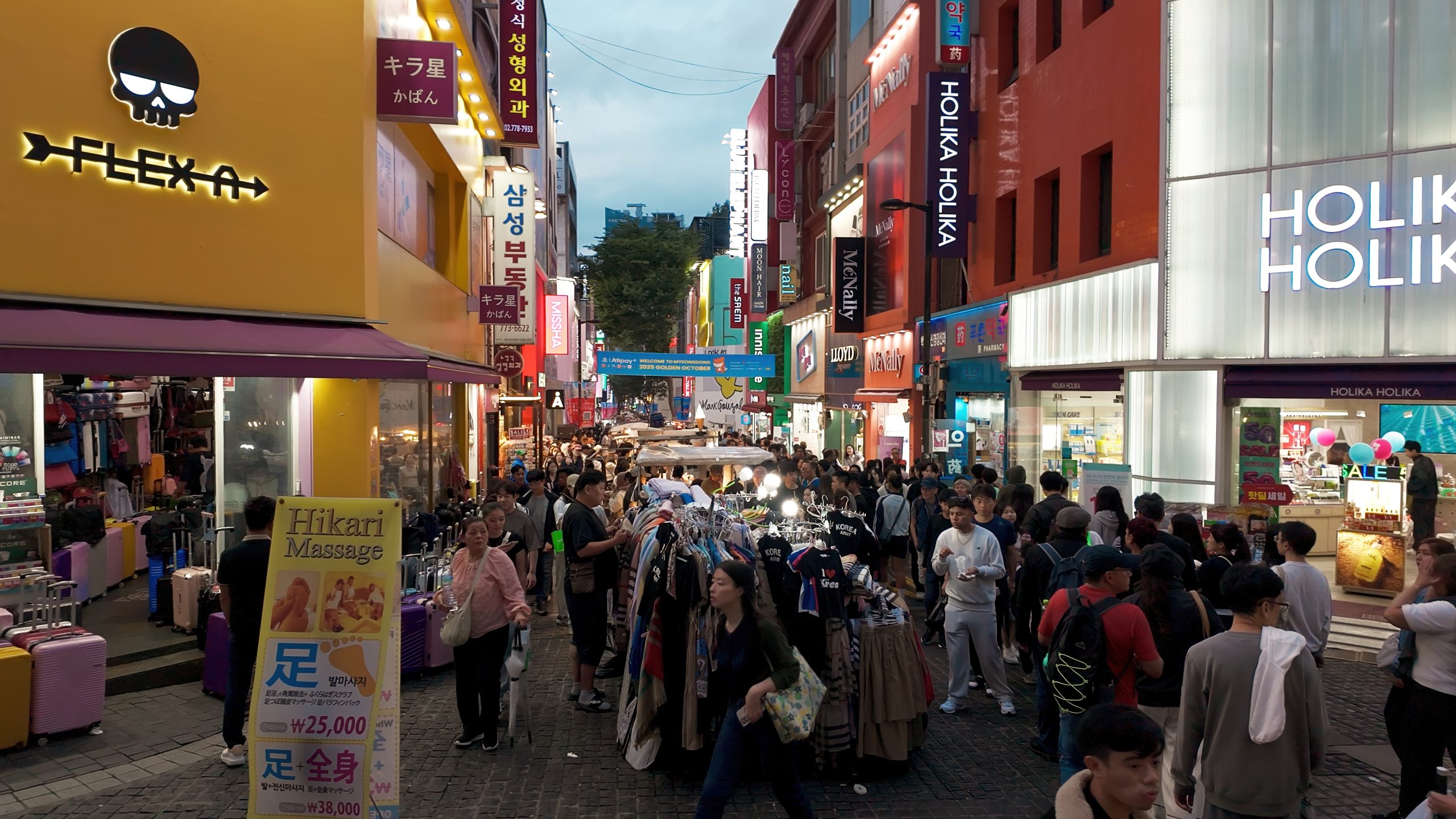
The iShares MSCI South Korea ETF (EWY) has drawn renewed attention as global investors evaluate exposure to Asia’s export-heavy economies, particularly in the context of evolving semiconductor cycles and shifting global demand conditions. South Korea remains one of the most trade-sensitive major markets, with a heavy weighting toward technology and industrial exporters, making it highly responsive to global macroeconomic shifts. For investors in Israel and worldwide, the ETF serves as a concentrated proxy for global electronics demand, AI-driven chip cycles, and broader Asian risk sentiment.
Technology Concentration and Semiconductor Dependence
South Korea’s equity market structure is heavily concentrated in technology and semiconductor-related companies, with large index weights often dominated by global industry leaders. This concentration means that EWY performance is closely tied to the revenue cycles of memory chip producers and electronics exporters.
The semiconductor industry, a key pillar of South Korea’s economy, is highly cyclical and sensitive to global demand fluctuations in areas such as smartphones, data centers, and artificial intelligence infrastructure. As global tech investment cycles accelerate and decelerate, South Korean equities tend to amplify those movements due to their structural weighting.
Recent market behavior has reflected this sensitivity, with periods of strong performance during chip upcycles followed by sharp corrections when inventory cycles weaken or pricing power declines. This cyclicality remains a defining feature of EWY exposure.
Export Dynamics and Global Trade Sensitivity
South Korea’s economy is deeply export-oriented, making the EWY ETF highly sensitive to global trade conditions, currency movements, and demand from major economies such as the United States and China. Any slowdown in global manufacturing activity or consumer electronics demand typically feeds directly into earnings expectations for Korean corporates.
The won’s performance against major currencies also plays a significant role in shaping export competitiveness and corporate profitability. A weaker won can provide short-term support to exporters, while a stronger currency may weigh on margins, particularly in highly competitive global electronics markets.
In addition, geopolitical tensions in Asia and evolving trade policies between major economies continue to influence investor sentiment toward Korean assets. These external variables often drive volatility in EWY beyond domestic economic fundamentals.
Valuation Pressures and Interest Rate Environment
Like many emerging and developed Asian equity markets, South Korea remains sensitive to global interest rate expectations. Higher rates in major economies tend to reduce valuation multiples for growth-oriented sectors, particularly technology-heavy indices.
EWY’s composition, which is skewed toward export-driven industrial and technology companies, makes it especially responsive to shifts in global liquidity conditions. When financial conditions tighten, capital flows often rotate away from higher-beta export markets toward more defensive or domestically oriented assets.
At the same time, expectations around central bank policy easing cycles globally could provide partial support for risk assets, including South Korean equities, if liquidity conditions improve over time.
Outlook: Semiconductor Cycle and Global Demand in Focus
Looking ahead, the trajectory of the EWY ETF will remain closely tied to developments in the global semiconductor cycle, artificial intelligence infrastructure investment, and broader Asian export demand. Any sustained recovery in chip pricing or global electronics consumption could provide meaningful upside support for South Korean equities.
Conversely, renewed weakness in global manufacturing activity or further geopolitical escalation in key trade regions could weigh on performance and reinforce volatility in export-heavy markets. Currency dynamics and interest rate expectations will also remain central to valuation sensitivity.
For global investors, including those in Israel, EWY represents a concentrated exposure to one of the world’s most cyclical and technologically driven economies, where performance is increasingly shaped by the intersection of global liquidity, semiconductor demand, and trade system stability.
Comparison, examination, and analysis between investment houses
Leave your details, and an expert from our team will get back to you as soon as possible
* This article, in whole or in part, does not contain any promise of investment returns, nor does it constitute professional advice to make investments in any particular field.
To read more about the full disclaimer, click here
- Ronny Mor
- •
- 7 Min Read
- •
- ago 24 hours
SKN | Is the iShares Bitcoin Trust (IBIT) Redefining Institutional Crypto Exposure?
The iShares Bitcoin Trust (IBIT), launched by BlackRock, has rapidly become one of the most closely watched vehicles for Bitcoin
- ago 24 hours
- •
- 7 Min Read

The iShares Bitcoin Trust (IBIT), launched by BlackRock, has rapidly become one of the most closely watched vehicles for Bitcoin
- omer bar
- •
- 7 Min Read
- •
- ago 2 days
SKN | Is Schwab’s SCHD the Best Dividend ETF to Buy Right Now for Income and Stability?
Why Dividend ETFs Are Back in Focus As investors navigate a market increasingly dominated by artificial intelligence enthusiasm, elevated valuations,
- ago 2 days
- •
- 7 Min Read
Why Dividend ETFs Are Back in Focus As investors navigate a market increasingly dominated by artificial intelligence enthusiasm, elevated valuations,

- omer bar
- •
- 7 Min Read
- •
- ago 2 days
SKN | Is Semiconductor Volatility Fueling Renewed Interest in Leveraged Tech Exposure?
Global semiconductor markets continue to experience heightened volatility as artificial intelligence-driven demand cycles, shifting interest rate expectations, and geopolitical supply-chain
- ago 2 days
- •
- 7 Min Read

Global semiconductor markets continue to experience heightened volatility as artificial intelligence-driven demand cycles, shifting interest rate expectations, and geopolitical supply-chain
- omer bar
- •
- 6 Min Read
- •
- ago 2 days
SKN | VOOG vs QQQ: Is Vanguard’s S&P 500 Growth ETF a Smarter Way to Own Tech Stocks?
Comparing Growth Strategies: VOOG and QQQ Investors seeking exposure to the United States’ leading technology companies often turn to the
- ago 2 days
- •
- 6 Min Read
Comparing Growth Strategies: VOOG and QQQ Investors seeking exposure to the United States’ leading technology companies often turn to the


