


- omer bar
- •
- 8 Min Read
- •
- 7 seconds ago
Key Points
- Nvidia unveiled its RTX Spark Superchip, combining a Grace CPU and Blackwell GPU, with premium AI-powered laptops from Dell, HP, Asus, and Microsoft launching later this year.
- The company is betting that future AI workloads will be split between cloud infrastructure and local devices, reducing costs and improving performance.
- Nvidia’s move into the PC market intensifies competition with Intel, AMD, and Qualcomm as the race to dominate AI-powered computing accelerates.
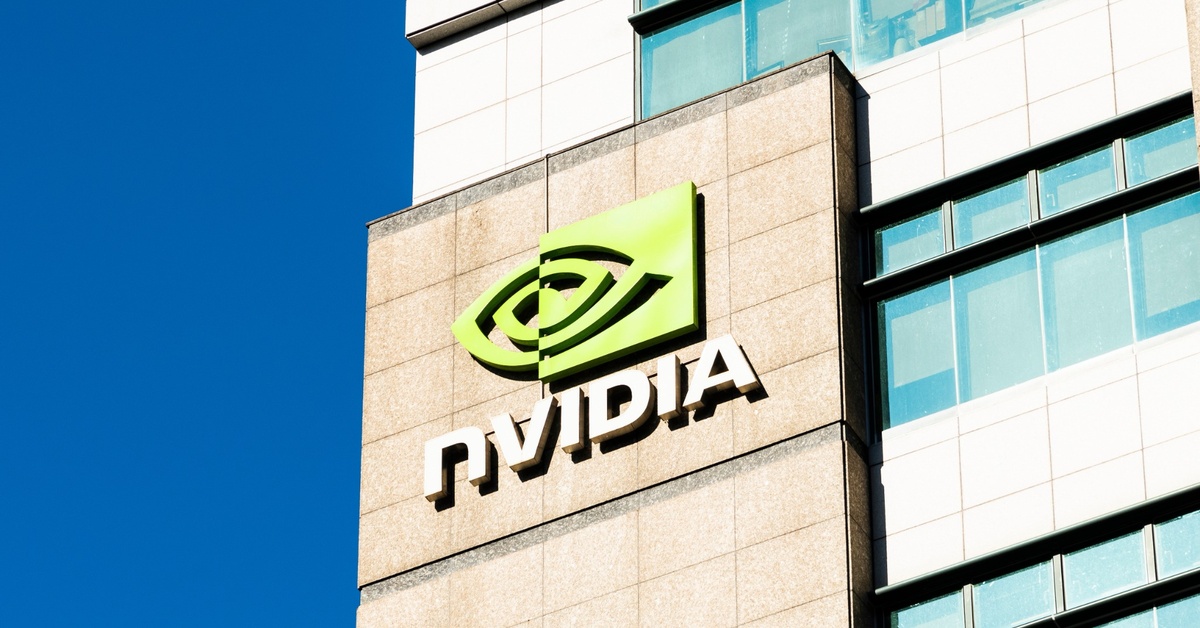
Nvidia Expands Beyond Data Centers
Nvidia is making a significant push into the personal computer market with the introduction of its RTX Spark Superchip, a processor designed to bring advanced artificial intelligence capabilities directly to Windows laptops.
Unveiled during the company’s GTC Taipei conference, the new chip combines Nvidia’s Grace CPU architecture with its Blackwell GPU technology, creating a platform capable of handling demanding AI workloads locally on a user’s device.
The first generation of RTX Spark-powered systems will appear in premium laptops from manufacturers including Dell, HP, Asus, and Microsoft later this year.
AI Processing Begins Moving Closer to Users
The launch reflects Nvidia’s broader vision for the future of artificial intelligence.
Today, most AI applications rely heavily on cloud-based infrastructure where powerful data centers process requests and return results to users. However, as AI adoption accelerates, the cost and complexity of running everything through the cloud continue to rise.
Industry analysts believe Nvidia’s new laptop platform represents an early step toward shifting more AI workloads directly onto local devices.
According to Gartner analyst Ranjit Atwal, the new systems provide a glimpse into how future AI-powered computers may operate.
Rather than relying exclusively on remote servers, future AI applications could divide tasks between cloud infrastructure and local hardware, improving speed, privacy, and efficiency.
Hybrid AI Model Gains Momentum
The concept of hybrid AI is becoming increasingly popular across the semiconductor industry.
Under this approach, large and complex AI models continue running in cloud environments, while smaller tasks, personal assistants, productivity tools, and AI agents operate directly on local devices.
This reduces demand on expensive data center resources while improving response times and enabling users to maintain greater control over sensitive information.
AMD, Intel, and Qualcomm have all been promoting hybrid AI computing as a major selling point for their newest processors. Nvidia’s entry into the market validates the growing importance of this strategy.
Arm-Based Design Challenges Established Leaders
Unlike Intel and AMD, whose processors are based on the x86 architecture that has dominated personal computing for decades, Nvidia’s RTX Spark utilizes Arm-based technology.
Arm processors have gained popularity because of their power efficiency and ability to deliver strong performance while consuming less energy.
Historically, software compatibility has been a challenge for Arm-based Windows devices. To address this issue, Nvidia says it has worked closely with Microsoft to ensure applications can either run natively or be translated efficiently between architectures.
The collaboration mirrors efforts made by Qualcomm, which has also been working to expand the Windows-on-Arm ecosystem.
Premium Market First, Broader Expansion Later
The initial RTX Spark systems are expected to target the premium end of the market, competing with high-performance Windows laptops and Apple’s MacBook Pro lineup.
Nvidia has indicated that lower-cost versions of the chip will eventually become available, though the company has not yet provided specific details regarding pricing or launch timelines.
While the first generation is unlikely to generate massive unit volumes, analysts view the launch as an important strategic move that could position Nvidia for long-term growth beyond its dominant data center business.
Competition Intensifies in AI PCs
The personal computer market is becoming the latest battleground in the artificial intelligence race.
Intel, AMD, Qualcomm, and now Nvidia are all competing to define what AI-powered computing will look like over the next decade.
While Nvidia currently dominates AI data centers, success in the laptop market is far from guaranteed. Intel and AMD maintain substantial market share, deep customer relationships, and extensive software ecosystems.
Nevertheless, Nvidia’s entry signals growing confidence that the future of AI will extend far beyond cloud servers and into the devices people use every day.
Comparison, examination, and analysis between investment houses
Leave your details, and an expert from our team will get back to you as soon as possible
* This article, in whole or in part, does not contain any promise of investment returns, nor does it constitute professional advice to make investments in any particular field.
To read more about the full disclaimer, click here
- sagi habasov
- •
- 8 Min Read
- •
- ago 7 hours
SKN | TSMC Warns AI Chip Shortage Could Persist for Years as Global Demand Continues to Surge
Taiwan Semiconductor Manufacturing Company (TSMC) has warned that the global semiconductor industry remains years away from producing enough advanced chips
- ago 7 hours
- •
- 8 Min Read

Taiwan Semiconductor Manufacturing Company (TSMC) has warned that the global semiconductor industry remains years away from producing enough advanced chips

- Ronny Mor
- •
- 9 Min Read
- •
- ago 7 hours
SKN | Nvidia CEO Jensen Huang Launches High-Profile South Korea Tour as AI Partnerships Deepen
Nvidia CEO Jensen Huang is taking an unusually public approach during his latest visit to South Korea, highlighting the country’s
- ago 7 hours
- •
- 9 Min Read
Nvidia CEO Jensen Huang is taking an unusually public approach during his latest visit to South Korea, highlighting the country’s

- omer bar
- •
- 8 Min Read
- •
- ago 8 hours
SKN | SpaceX IPO Filing Sparks Speculation Over Potential Mega-Acquisitions and Future M&A Ambitions
SpaceX’s amended IPO filing has attracted significant attention from investors after introducing new provisions that could provide clues about
- ago 8 hours
- •
- 8 Min Read

SpaceX’s amended IPO filing has attracted significant attention from investors after introducing new provisions that could provide clues about

- Lior mor
- •
- 7 Min Read
- •
- ago 16 hours
SKN | Why Are ServiceNow and Snowflake Shares Declining and What Is Driving the Sell-Off?
The shares of ServiceNow and Snowflake have come under renewed selling pressure as investors rotate out of high-valuation software and
- ago 16 hours
- •
- 7 Min Read

The shares of ServiceNow and Snowflake have come under renewed selling pressure as investors rotate out of high-valuation software and

