


- sagi habasov
- •
- 8 Min Read
- •
- 1 minute ago
Key Points
- TSMC CEO C.C. Wei warned that global semiconductor supply will remain unable to meet AI-driven demand for years.
- The company expects revenue to grow more than 30% in 2026 despite ongoing capacity constraints.
- TSMC says even planned manufacturing expansion in the United States will not fully satisfy customer demand.
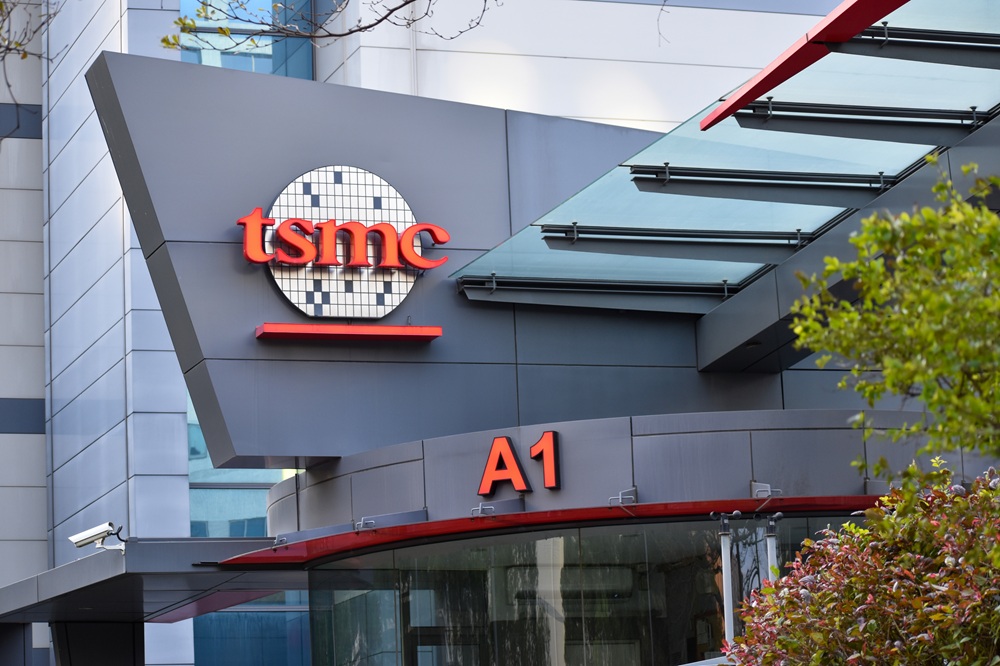
Taiwan Semiconductor Manufacturing Company (TSMC) has warned that the global semiconductor industry remains years away from producing enough advanced chips to satisfy the explosive growth of artificial intelligence.
Speaking at the company’s annual shareholder meeting in Hsinchu, Taiwan, Chief Executive Officer C.C. Wei said demand from AI customers continues to exceed available manufacturing capacity despite aggressive expansion efforts.
According to Wei, production bottlenecks remain one of the largest obstacles facing the global AI industry as technology companies race to deploy increasingly powerful computing infrastructure.
“It will be a long time before we can meet customer demand,” Wei told shareholders.
Nvidia, AMD, and Broadcom Drive Competition
TSMC sits at the center of the AI revolution as the world’s leading manufacturer of advanced semiconductors.
The company produces cutting-edge chips for many of the industry’s largest players, including Nvidia, AMD, and Broadcom, all of which are benefiting from unprecedented demand tied to artificial intelligence.
As hyperscalers and cloud providers dramatically increase spending on AI infrastructure, competition for access to TSMC’s most advanced manufacturing processes has intensified.
Industry estimates suggest major technology companies could collectively spend approximately $725 billion on AI-related infrastructure during 2026 alone.
Massive U.S. Expansion Still Not Enough
TSMC has been expanding production capacity globally in an effort to address the growing shortage.
As part of its broader international growth strategy, the company has already committed approximately $165 billion toward six manufacturing facilities in the United States.
Bloomberg previously reported that TSMC is evaluating plans for at least four additional U.S. fabrication plants, potentially requiring another $100 billion in investment.
Despite these massive expenditures, Wei indicated that future capacity additions are unlikely to fully close the gap between supply and demand anytime soon.
The company has also secured sufficient land in Arizona to support expansion plans for at least the next decade.
TSMC Rejects Aggressive Price Increases
While demand continues to outstrip supply, TSMC signaled it does not intend to pursue dramatic price increases similar to those seen in parts of the memory chip industry.
Wei emphasized that maintaining long-term customer relationships and business stability remains a priority.
The company’s approach contrasts with some areas of the semiconductor sector where shortages have resulted in sharp pricing increases during periods of constrained supply.
TSMC’s strategy focuses on sustainable growth while continuing to invest heavily in advanced manufacturing technologies.
AI Boom Continues to Fuel Growth
The AI-driven surge in semiconductor demand continues to deliver strong financial results for TSMC.
Wei reaffirmed the company’s expectation that revenue will grow by more than 30% this year, a forecast that was raised only weeks ago.
The company also indicated that capital expenditures are likely to reach the upper end of its projected range, which could total as much as $56 billion during 2026.
Meanwhile, TSMC employees are expected to benefit from the industry’s boom as the company announced average bonus payouts will increase by more than 30%.
Semiconductor Bottleneck Remains Critical
TSMC’s warning highlights a growing challenge facing the global AI industry.
While companies continue announcing massive investments in data centers, AI models, and cloud infrastructure, access to advanced semiconductor manufacturing remains one of the most significant constraints on future growth.
With demand from AI developers, hyperscalers, and enterprise customers continuing to accelerate, TSMC’s comments suggest that supply shortages could remain a defining feature of the semiconductor market well into the next decade.
Comparison, examination, and analysis between investment houses
Leave your details, and an expert from our team will get back to you as soon as possible
* This article, in whole or in part, does not contain any promise of investment returns, nor does it constitute professional advice to make investments in any particular field.
To read more about the full disclaimer, click here
- Ronny Mor
- •
- 9 Min Read
- •
- ago 19 minutes
SKN | Nvidia CEO Jensen Huang Launches High-Profile South Korea Tour as AI Partnerships Deepen
Nvidia CEO Jensen Huang is taking an unusually public approach during his latest visit to South Korea, highlighting the country’s
- ago 19 minutes
- •
- 9 Min Read
Nvidia CEO Jensen Huang is taking an unusually public approach during his latest visit to South Korea, highlighting the country’s

- omer bar
- •
- 8 Min Read
- •
- ago 36 minutes
SKN | SpaceX IPO Filing Sparks Speculation Over Potential Mega-Acquisitions and Future M&A Ambitions
SpaceX’s amended IPO filing has attracted significant attention from investors after introducing new provisions that could provide clues about
- ago 36 minutes
- •
- 8 Min Read
SpaceX’s amended IPO filing has attracted significant attention from investors after introducing new provisions that could provide clues about

- Lior mor
- •
- 7 Min Read
- •
- ago 9 hours
SKN | Why Are ServiceNow and Snowflake Shares Declining and What Is Driving the Sell-Off?
The shares of ServiceNow and Snowflake have come under renewed selling pressure as investors rotate out of high-valuation software and
- ago 9 hours
- •
- 7 Min Read

The shares of ServiceNow and Snowflake have come under renewed selling pressure as investors rotate out of high-valuation software and
- Lior mor
- •
- 7 Min Read
- •
- ago 12 hours
SKN | Are Tech Giants Prioritizing AI Data Centers Over Jobs as Amazon Faces Employee Backlash?
Amazon’s AI Expansion Faces Growing Internal Resistance Amazon is facing increasing criticism from some of its own employees as the
- ago 12 hours
- •
- 7 Min Read

Amazon’s AI Expansion Faces Growing Internal Resistance Amazon is facing increasing criticism from some of its own employees as the

