


- Ronny Mor
- •
- 7 Min Read
- •
- 9 hours ago
Key Points
- Federal Reserve Chair Jerome Powell cautions that politicizing the central bank could erode long-standing public trust in US monetary policy.
- The remarks come at a time of heightened political debate over interest rates, inflation management, and Fed independence.
- Market participants continue to assess implications for policy stability, bond yields, and long-term macroeconomic expectations.
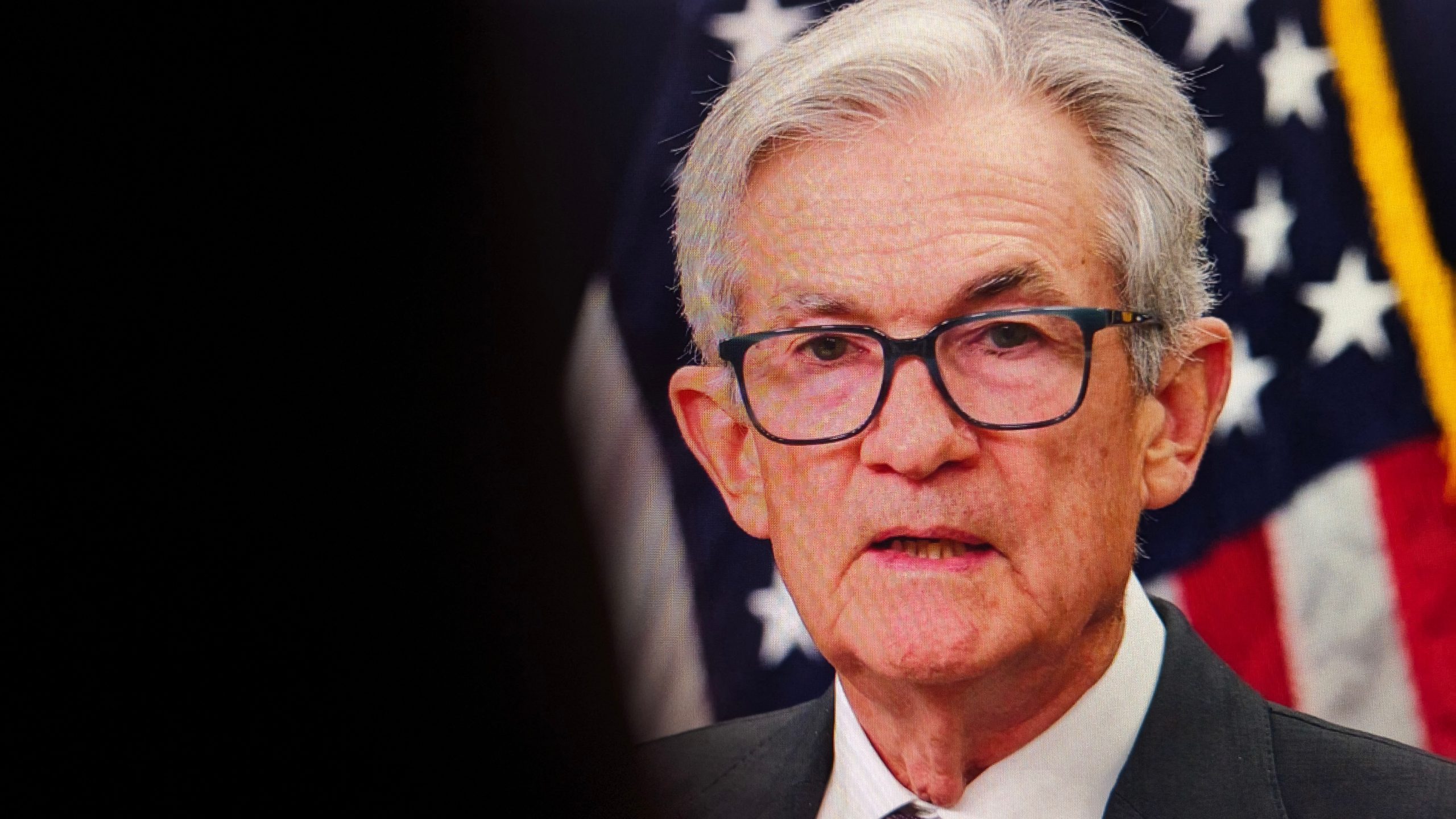
The Federal Reserve’s independence has once again come under scrutiny as Chair Jerome Powell warned that increased political interference in monetary policy could significantly damage public trust. His comments arrive amid ongoing debate in Washington over interest rate decisions and the broader direction of US economic policy. For investors in Israel and globally, the issue is particularly relevant given the Fed’s central role in shaping global liquidity conditions, risk appetite, and capital flows.
Fed Independence and Institutional Credibility
Powell emphasized that the credibility of the Federal Reserve is built on its ability to operate independently of short-term political pressures. According to his remarks, any perception that monetary policy decisions are influenced by political considerations could weaken confidence in the central bank’s long-term commitment to price stability.
Historically, central bank independence has been associated with lower inflation volatility and more predictable macroeconomic outcomes. Market participants closely monitor Fed communications not only for policy signals but also for indications of institutional continuity. Any erosion of that trust framework could introduce higher uncertainty into global financial markets.
The issue is particularly sensitive in the current environment, where inflation dynamics, labor market resilience, and fiscal policy debates continue to shape expectations around future interest rate paths.
Political Debate and Interest Rate Expectations
Powell’s warning comes against a backdrop of heightened political discussion over the appropriate level of interest rates. Some policymakers have expressed concern that restrictive monetary conditions may slow economic growth, while others argue that inflation risks require sustained caution.
These tensions have contributed to increased scrutiny of the Fed’s decision-making process. Market participants are increasingly focused on whether political pressure could indirectly influence the timing or scale of future policy adjustments.
Bond markets remain highly sensitive to any perceived shift in Fed independence, as changes in credibility can directly affect yield curves, inflation expectations, and risk premiums across fixed income assets. Equity markets also tend to react to shifts in rate expectations, particularly in interest-rate-sensitive sectors such as technology and real estate.
Market Implications of Central Bank Credibility
The Federal Reserve plays a central role in global financial stability, with US monetary policy serving as a benchmark for other central banks and international capital allocation. As a result, any uncertainty surrounding its independence can have far-reaching implications beyond domestic markets.
Investors typically price in a degree of policy predictability when valuing long-duration assets. If confidence in the Fed’s institutional framework weakens, risk premiums may rise across both equities and bonds, potentially increasing market volatility.
For global investors, including institutional portfolios in Israel with exposure to US assets, the stability of Fed policy remains a key anchor for asset allocation decisions and currency hedging strategies.
Outlook: Policy Independence Remains a Core Market Variable
Looking ahead, market attention will remain focused on both Federal Reserve communications and broader political developments that could influence perceptions of central bank autonomy. Upcoming economic data, including inflation and employment figures, will continue to shape expectations for the policy path.
Key risks include sustained political pressure on monetary policy decisions, unexpected shifts in inflation trends, and potential misalignment between fiscal and monetary policy objectives. On the other hand, reaffirmed institutional independence and consistent communication from the Fed could help stabilize expectations and support market confidence.
For global financial markets, Powell’s remarks reinforce a critical theme: central bank credibility remains a foundational pillar for pricing risk, allocating capital, and maintaining macroeconomic stability across interconnected economies.
Comparison, examination, and analysis between investment houses
Leave your details, and an expert from our team will get back to you as soon as possible
* This article, in whole or in part, does not contain any promise of investment returns, nor does it constitute professional advice to make investments in any particular field.
To read more about the full disclaimer, click here
- orshu
- •
- 7 Min Read
- •
- ago 4 hours
SKN | Tel Aviv Market Weakens Broadly as Banking and Mid-Caps Drive Risk-Off Session
The Israeli equity market traded lower in a broad risk-off session as selling pressure intensified across mid-cap and large-cap indices.
- ago 4 hours
- •
- 7 Min Read

The Israeli equity market traded lower in a broad risk-off session as selling pressure intensified across mid-cap and large-cap indices.

- omer bar
- •
- 7 Min Read
- •
- ago 5 hours
SKN | Has SoftBank’s AI Bet Made It Japan’s New Market King?
AI Momentum Pushes Japan’s Stock Market Into Uncharted Territory Japan’s stock market reached another historic milestone on Monday as the
- ago 5 hours
- •
- 7 Min Read

AI Momentum Pushes Japan’s Stock Market Into Uncharted Territory Japan’s stock market reached another historic milestone on Monday as the

- Lior mor
- •
- 7 Min Read
- •
- ago 7 hours
SKN | Could Kakao Labor Action Signal Growing Tech Sector Strain in South Korea?
South Korea’s technology sector is facing renewed labor pressure as the union at Kakao prepares to launch a partial strike
- ago 7 hours
- •
- 7 Min Read

South Korea’s technology sector is facing renewed labor pressure as the union at Kakao prepares to launch a partial strike
- orshu
- •
- 7 Min Read
- •
- ago 8 hours
SKN | Global Markets Pivot to Labor Market Health and Tech Valuations as Nonfarm Payrolls and Enterprise Software Take Center Stage
Global financial markets enter the week of June 1, 2026, navigating a critical transition phase as institutional investors shift their
- ago 8 hours
- •
- 7 Min Read

Global financial markets enter the week of June 1, 2026, navigating a critical transition phase as institutional investors shift their


