


- Lior mor
- •
- 6 Min Read
- •
- 10 seconds ago
Key Points
- The USD/HKD exchange rate closed the trading week with a fractional 0.02% five-day advance, settling at 7.8362 after testing higher resistance levels.
- Intraday price action was marked by a sharp V-shaped recovery after the pair dipped toward the 7.8300 zone on May 28, reflecting highly reactive interbank liquidity dynamics.
- Institutional allocators are intensely monitoring persistent currency volatility, shifting fiscal outlooks, and regional capital flows as the Hong Kong Dollar trades nearer the weak half of its convertibility band.

The USD/HKD exchange rate navigated a week of nuanced liquidity shifts, ultimately securing a marginal 0.02% net gain to settle at 7.8362. As the currency pair drifts toward the weaker bound of its mandated 7.7500–7.8500 convertibility zone, global macro allocators are closely evaluating the underlying interbank rate differentials and shifting capital flows that continue to test the resilience of the regional monetary framework.
Tracing Mid-Week Liquidity Shocks and Technical Rebounds
The five-day trading session was characterized by a distinct mid-week drawdown, where the US Dollar temporarily weakened, pushing the pair toward the 7.8300 support threshold early on May 28. However, this dip was swiftly met with institutional buying pressure, propelling the pair to a weekly peak near 7.8380 before consolidating. This rapid mean-reversion illustrates the highly managed nature of the foreign exchange corridor, where short-term fluctuations are quickly absorbed by institutional arbitrage rather than pure speculative momentum. The trading pattern suggests that liquidity remains robust, though sensitive to sudden intraday shifts.
Yield Differentials and Structural Macro Pressures
The primary catalyst driving the pair’s sustained elevation remains the persistent yield gap between US Treasuries and Hong Kong interbank rates (HIBOR). For Israeli investors and international asset managers deploying capital across Asian markets, this yield differential creates significant carry-trade incentives, systematically pressuring the local currency. As long as the US Federal Reserve maintains a restrictive monetary posture while regional fiscal outlooks remain comparatively sluggish, capital outflows seeking higher dollar-denominated yields will likely keep the HKD pinned near the weaker side of its peg.
Evaluating Downside Risks and Capital Flight Vulnerabilities
Despite the structural stability historically provided by the Linked Exchange Rate System, professional allocators must integrate probability-based downside risks into their regional strategies. Elevated geopolitical risk premiums surrounding Sino-US relations and structural slowdowns in the broader Asian macroeconomy pose continuous threats to regional capital account dynamics. Should global trade tensions escalate unexpectedly or if regional economic data sharply deteriorates, heightened currency volatility could force monetary authorities into more aggressive market interventions to defend the 7.8500 upper limit. Consequently, the currency’s stability relies on confidence that the central bank will deploy its formidable foreign exchange reserves if necessary.
Looking forward, the near-term trajectory for the USD/HKD pair requires a disciplined, probability-driven approach as markets digest evolving global interest rate expectations. Institutional portfolios will likely maintain a vigilant stance, monitoring HIBOR-SOFR spreads and any shifts in broader macroeconomic indicators. While an imminent break of the 7.8500 threshold remains highly improbable due to substantial structural buffers, downside risks tied to sudden shifts in global liquidity or escalating geopolitical friction remain prominent. Therefore, global investors should remain defensive, recognizing that sustained stability within this currency corridor relies heavily on a delicate balance of cross-border capital flows and broader macroeconomic resilience.
Comparison, examination, and analysis between investment houses
Leave your details, and an expert from our team will get back to you as soon as possible
* This article, in whole or in part, does not contain any promise of investment returns, nor does it constitute professional advice to make investments in any particular field.
To read more about the full disclaimer, click here
- Arik Arkadi Sluzki
- •
- 6 Min Read
- •
- ago 12 minutes
SKN | USD/JPY Consolidates Above 159.25 — Is the Yen Approaching Critical Intervention Thresholds?
The USD/JPY exchange rate exhibited a pattern of calculated consolidation this week, edging higher by 0.19% over the five-day
- ago 12 minutes
- •
- 6 Min Read

The USD/JPY exchange rate exhibited a pattern of calculated consolidation this week, edging higher by 0.19% over the five-day

- sagi habasov
- •
- 6 Min Read
- •
- ago 27 minutes
SKN | USD/CAD Navigates Mid-Week Peak and Subsequent Retracement — Is the Loonie Gaining Fundamental Strength?
The USD/CAD exchange rate experienced a highly dynamic trading week, ultimately absorbing significant intraday fluctuations to close nearly unchanged
- ago 27 minutes
- •
- 6 Min Read

The USD/CAD exchange rate experienced a highly dynamic trading week, ultimately absorbing significant intraday fluctuations to close nearly unchanged

- orshu
- •
- 6 Min Read
- •
- ago 39 minutes
SKN | GBP Resilience Tested: Is the Dollar-Pound Exchange Rate Entering a New Equilibrium Phase?
The USD/GBP currency pair closed the week at approximately 0.7434, finishing modestly higher despite several episodes of volatility during
- ago 39 minutes
- •
- 6 Min Read
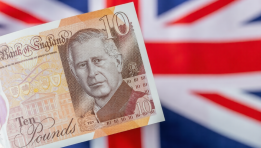
The USD/GBP currency pair closed the week at approximately 0.7434, finishing modestly higher despite several episodes of volatility during

- Ronny Mor
- •
- 6 Min Read
- •
- ago 1 hour
SKN | EUR/USD Holds Firm Above 1.16: Is the Euro Building Momentum or Facing Resistance Ahead?
The EUR/USD exchange rate ended the week at 1.1659, representing a modest 0.14% gain over the five-day period. While
- ago 1 hour
- •
- 6 Min Read

The EUR/USD exchange rate ended the week at 1.1659, representing a modest 0.14% gain over the five-day period. While


