





- omer bar
- •
- 7 Min Read
- •
- 2 months ago
Key Points
- The U.S. dollar is heading for a modest weekly decline as expectations grow that the U.S. and Iran may extend their ceasefire agreement.
- Falling oil prices and reduced geopolitical risk have weakened demand for traditional safe-haven assets.
- Investors remain focused on inflation, Federal Reserve policy, and diverging global interest rate expectations.
The U.S. dollar stabilized on Friday but remained on course for a weekly loss as investors reacted to growing optimism surrounding a potential extension of the ceasefire between the United States and Iran. The prospect of easing geopolitical tensions and a gradual reopening of shipping routes through the Strait of Hormuz has reduced demand for traditional safe-haven assets, placing downward pressure on the greenback after two consecutive weeks of gains.
Currency markets are increasingly balancing geopolitical developments against broader economic fundamentals, including inflation trends, central bank policy, and relative growth prospects among major economies. While the dollar retains its dominant position in global finance, recent market movements suggest investors may be reassessing short-term safe-haven demand as diplomatic progress appears possible.
Ceasefire Progress Reduces Safe-Haven Demand
According to reports, Washington and Tehran have reached a preliminary agreement to extend their ceasefire for an additional 60 days while negotiators continue discussions on complex issues, including Iran’s nuclear program. The proposed framework would also allow commercial shipping to resume through the Strait of Hormuz, one of the world’s most strategically important energy corridors.
The possibility of a diplomatic breakthrough has triggered a decline in oil prices and reduced immediate fears of further disruptions to global energy markets. As a result, some investors have rotated away from defensive positions that previously benefited the U.S. dollar during the conflict.
The dollar had gained support earlier in the crisis because of its safe-haven status and the relative insulation of the U.S. economy from imported energy inflation compared with many other major economies.
Inflation and Interest Rates Remain Key Drivers
While geopolitical concerns have eased somewhat, monetary policy expectations continue to shape currency market performance.
Recent economic data showed U.S. inflation rising at its fastest pace in three years, driven largely by elevated energy costs linked to the Middle East conflict. The inflation surge has reinforced expectations that the Federal Reserve will maintain a cautious stance and keep interest rates elevated for an extended period.
Some analysts argue that persistent inflation pressures, strong labor market conditions, and expansionary fiscal policies could ultimately support the dollar over the longer term, even if short-term sentiment weakens.
The Dollar Index remained near the 99 level, reflecting relatively stable trading conditions despite shifting geopolitical headlines.
Diverging Central Bank Paths Influence Global Currencies
Movements among major currencies highlighted differing economic outlooks and policy expectations across global markets.
The euro traded relatively unchanged against the dollar, while the British pound edged lower. Meanwhile, the New Zealand dollar continued its recent rally after signals from the Reserve Bank of New Zealand suggested that interest rate increases could arrive sooner and be more aggressive than previously expected.
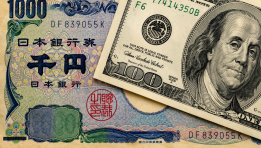
In Japan, the yen remained near the psychologically important 160-per-dollar threshold, a level closely watched by markets because it has previously prompted intervention from Japanese authorities. Investors are also monitoring expectations that the Bank of Japan could continue normalizing monetary policy amid rising inflationary pressures and a tightening labor market.
Looking Ahead
Currency markets will remain highly sensitive to developments surrounding the U.S.-Iran negotiations, energy prices, and central bank policy signals. While a successful ceasefire extension could continue weighing on the dollar in the near term, longer-term support may emerge from relatively strong U.S. economic fundamentals, persistent inflation pressures, and the prospect of higher interest rates compared with many developed economies. Investors will be closely watching whether diplomacy can translate into lasting stability across energy markets and global financial systems.
Comparison, examination, and analysis between investment houses
Leave your details, and an expert from our team will get back to you as soon as possible
* This article, in whole or in part, does not contain any promise of investment returns, nor does it constitute professional advice to make investments in any particular field.
To read more about the full disclaimer, click here
- Lior mor
- •
- 8 Min Read
- •
- ago 5 hours
SKN | U.S.-Backed Yen Intervention Lifts Japanese Currency, but Analysts Warn Structural Weakness Persists
The Japanese yen posted a sharp rebound after coordinated intervention supported by the United States helped lift the currency from
- ago 5 hours
- •
- 8 Min Read
The Japanese yen posted a sharp rebound after coordinated intervention supported by the United States helped lift the currency from

- Ronny Mor
- •
- 7 Min Read
- •
- ago 4 days
SKN | Coinbase Shares Slide After Q2 Earnings Miss as Crypto Trading Weakness Persists
Coinbase Global (NASDAQ: COIN) shares fell more than 7% in after-hours trading after the cryptocurrency exchange reported second-quarter results that
- ago 4 days
- •
- 7 Min Read

Coinbase Global (NASDAQ: COIN) shares fell more than 7% in after-hours trading after the cryptocurrency exchange reported second-quarter results that
- Ronny Mor
- •
- 6 Min Read
- •
- ago 2 weeks
SKN | British Pound Gains as Andy Burnham Takes Office and Markets Anticipate Fiscal Stability
The British pound strengthened against the U.S. dollar after Andy Burnham officially became the United Kingdom's Prime Minister, marking the
- ago 2 weeks
- •
- 6 Min Read
The British pound strengthened against the U.S. dollar after Andy Burnham officially became the United Kingdom's Prime Minister, marking the
- Lior mor
- •
- 7 Min Read
- •
- ago 3 weeks
SKN | Global Pensions Halt Forex Hedging as Dollar Concerns Ease
The steady strengthening of the U.S. dollar throughout 2026, driven by a hawkish monetary stance from the Federal Reserve, has
- ago 3 weeks
- •
- 7 Min Read
The steady strengthening of the U.S. dollar throughout 2026, driven by a hawkish monetary stance from the Federal Reserve, has


