


- Ronny Mor
- •
- 8 Min Read
- •
- 9 seconds ago
Key Points
- Kevin Warsh’s appointment directly ties the Federal Reserve’s performance to President Trump’s economic credibility
- Rising inflation, higher mortgage rates, and elevated energy prices are increasing pressure ahead of midterm elections.
- Markets are increasingly preparing for the possibility of additional Federal Reserve rate hikes.
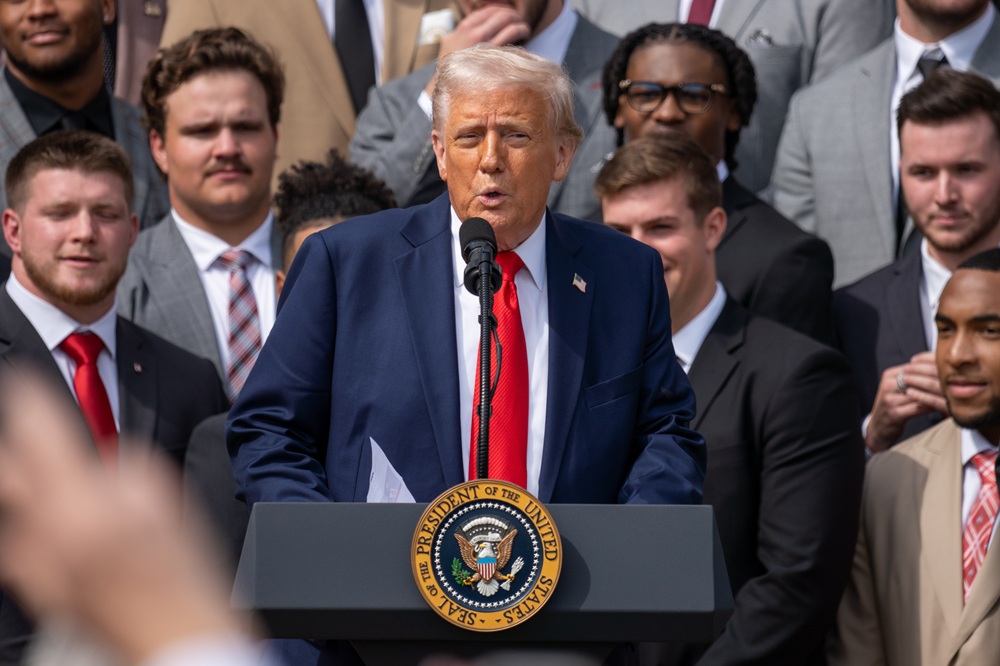
The political and economic relationship between President Donald Trump and newly installed Federal Reserve Chair Kevin Warsh is entering a critical phase as inflation pressures, rising borrowing costs, and geopolitical instability begin reshaping the outlook for the U.S. economy.
For years, former Federal Reserve Chair Jerome Powell served as a convenient political target for Trump, particularly during disputes over interest rates, inflation, and economic growth. That dynamic has now fundamentally changed.
With Kevin Warsh officially sworn in as Federal Reserve chair during a highly publicized White House ceremony, the administration now holds direct ownership over both the direction and consequences of U.S. monetary policy.
The symbolism surrounding the appointment was difficult to ignore. Trump hosted Warsh at an event attended by cabinet members, Supreme Court justices, and senior White House advisers, signaling the political importance the administration places on economic management heading into the 2026 midterm election cycle.
Inflation and Affordability Risks Continue Mounting
Warsh assumes leadership of the Federal Reserve during one of the most economically sensitive periods in recent years.
Inflation has accelerated significantly since early 2025, fueled largely by rising energy prices tied to the Middle East conflict and supply disruptions through the Strait of Hormuz. The Federal Reserve’s preferred inflation gauge has reportedly climbed from 2.3% annually in March 2025 to approximately 3.5%.
At the same time, U.S. consumers continue facing mounting affordability pressures.
Thirty-year mortgage rates have risen above 6.5%, reaching their highest levels in roughly nine months and placing additional strain on an already weakened housing market. Gasoline prices have also surged sharply since the escalation of the Iran conflict, further pressuring household budgets and consumer sentiment.
Recent economic surveys have reflected growing public frustration. Consumer confidence has weakened across multiple political demographics, including among independents and Republican voters, increasing pressure on the White House as midterm campaigns approach.
Warsh Faces Internal Fed Resistance and Market Skepticism
Although Trump strongly supported Warsh’s appointment, the new Fed chair inherits a central bank that remains institutionally independent and internally divided.
The Federal Reserve’s structure distributes policymaking authority across seven governors and twelve regional Fed presidents, limiting any chair’s ability to immediately reshape policy direction.
Recent Federal Reserve meetings have already exposed growing divisions among policymakers, with multiple officials signaling that additional interest rate hikes may still be necessary to contain inflation.
That stance potentially conflicts with Trump’s long-standing preference for lower interest rates and more accommodative monetary policy designed to support economic growth and financial markets.
Warsh himself previously argued that artificial intelligence-driven productivity gains could help ease inflation pressures over time, potentially allowing lower rates. However, the inflationary shock triggered by energy markets and geopolitical instability has complicated that outlook considerably.
Markets Brace for a New Era of Fed Volatility
Investors are now closely watching whether Warsh introduces a materially different approach to Federal Reserve communication and policy management.
Unlike recent Fed leadership styles that emphasized forward guidance and consensus-building, Warsh has openly advocated for more aggressive debate within the central bank and greater willingness to surprise markets when necessary.
Bond markets already appear increasingly concerned about persistent inflation risks. Long-dated Treasury yields have continued climbing as traders price in the possibility of further tightening, even as economic growth shows signs of slowing.
The broader challenge facing both Warsh and Trump is that controlling inflation often requires unpopular policy measures, particularly higher interest rates that can weaken housing, borrowing activity, and broader economic momentum.
Looking ahead, the relationship between the White House and the Federal Reserve may become one of the defining drivers of financial markets over the next year as investors evaluate whether the administration can successfully balance inflation control, economic growth, political pressures, and financial market stability simultaneously.
Comparison, examination, and analysis between investment houses
Leave your details, and an expert from our team will get back to you as soon as possible
* This article, in whole or in part, does not contain any promise of investment returns, nor does it constitute professional advice to make investments in any particular field.
To read more about the full disclaimer, click here
- sagi habasov
- •
- 7 Min Read
- •
- ago 10 hours
SKN | Why Bond Yields May Stay Elevated Even if Iran Conflict Risks Ease
Recent market optimism surrounding the possibility of reduced tensions involving Iran has helped stabilize some risk-sensitive assets, yet bond strategists
- ago 10 hours
- •
- 7 Min Read

Recent market optimism surrounding the possibility of reduced tensions involving Iran has helped stabilize some risk-sensitive assets, yet bond strategists

- Lior mor
- •
- 8 Min Read
- •
- ago 2 days
SKN | Strong Three-Year Stock Market Rallies Often Lead to Weaker Returns, Historical Trends Suggest
Global equity markets have delivered strong performance over the past several years, driven largely by resilient corporate earnings, artificial
- ago 2 days
- •
- 8 Min Read

Global equity markets have delivered strong performance over the past several years, driven largely by resilient corporate earnings, artificial
- Lior mor
- •
- 8 Min Read
- •
- ago 3 days
SKN | Kevin Warsh Takes Over Federal Reserve as Inflation Risks and Iran War Complicate Rate Outlook
Kevin Warsh officially takes control of the Federal Reserve on Friday during a White House ceremony that marks one of
- ago 3 days
- •
- 8 Min Read
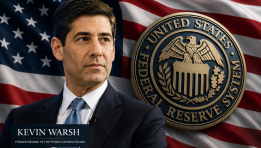
Kevin Warsh officially takes control of the Federal Reserve on Friday during a White House ceremony that marks one of

- Ronny Mor
- •
- 7 Min Read
- •
- ago 3 days
SKN | JPMorgan Expects Emergency Turkish Rate Hike as Political Turmoil Pressures the Lira
Turkey’s financial markets are once again facing mounting pressure as growing political uncertainty and renewed weakness in the Turkish
- ago 3 days
- •
- 7 Min Read
Turkey’s financial markets are once again facing mounting pressure as growing political uncertainty and renewed weakness in the Turkish

