





- Lior mor
- •
- 7 Min Read
- •
- 3 months ago


Key Points
- Gold prices advanced as investors balanced easing inflation concerns with persistent geopolitical and macroeconomic uncertainty
- Expectations of a potential US–Iran diplomatic breakthrough influenced energy markets and broader inflation sentiment
- Traders continue to monitor Federal Reserve policy signals, bond yields, and safe-haven demand dynamics

Gold prices moved higher in recent trading sessions even as optimism surrounding a potential US–Iran diplomatic agreement helped temper some inflation concerns linked to global energy markets. The precious metal’s resilience highlights how investors remain cautious about broader macroeconomic conditions, including interest rate expectations, geopolitical volatility, and slowing global growth. For institutional investors in Israel and internationally, gold continues to function as both an inflation hedge and a defensive allocation tool during periods of policy uncertainty.
Iran Deal Expectations Influence Inflation Narrative
Market attention has increasingly focused on the possibility of renewed diplomatic progress between Washington and Tehran, particularly regarding sanctions and oil export conditions. Any easing of restrictions on Iranian crude exports could potentially increase global supply availability, helping moderate oil prices and reduce inflationary pressure across energy-sensitive economies.
This shift in expectations has contributed to softer inflation sentiment in commodity markets, especially after earlier periods of concern surrounding Middle East tensions and shipping route instability. Lower energy price expectations typically reduce demand for inflation hedges, yet gold has remained relatively firm despite this dynamic.
Analysts note that investors appear to be viewing the geopolitical backdrop as only partially stabilized. While a diplomatic agreement may ease some near-term inflation concerns, broader uncertainty surrounding implementation, compliance, and regional politics continues to support defensive positioning across financial markets.
Federal Reserve Expectations Remain a Core Driver
Beyond geopolitics, gold markets remain highly sensitive to expectations surrounding US monetary policy. Investors continue to assess whether moderating inflation could eventually allow the Federal Reserve to pivot toward a less restrictive stance, particularly if economic growth shows further signs of slowing.
Gold typically benefits when markets anticipate lower real interest rates, as the opportunity cost of holding non-yielding assets declines. At the same time, Treasury yield volatility and shifting rate expectations continue to create short-term swings in bullion pricing.
Recent macroeconomic data from the United States has presented a mixed picture, with inflation gradually easing while labor market conditions remain relatively resilient. This has complicated the outlook for monetary easing timelines, leaving gold caught between lower inflation expectations and ongoing demand for macro hedging strategies.
For Israeli investors with exposure to dollar-denominated assets, global commodities, and international bond markets, these dynamics continue to influence portfolio diversification decisions.
Safe-Haven Demand Persists Despite Softer Energy Concerns
Although inflation fears tied to energy markets have moderated somewhat, safe-haven demand for gold has not fully retreated. Investors remain concerned about broader geopolitical instability, global debt levels, and uneven economic performance across major regions.
Central bank purchasing trends have also continued to provide structural support for gold markets. Several emerging-market central banks have maintained elevated gold reserves as part of broader diversification strategies away from traditional reserve currencies.
In addition, ongoing volatility in currency markets and uncertainty around global trade conditions continue to reinforce gold’s role as a portfolio stabilizer during periods of financial market stress.
Looking ahead, investors will closely monitor developments in US–Iran negotiations, upcoming US inflation reports, and Federal Reserve communications for signals on the next directional move in gold prices. Key risks include a stronger-than-expected US economy that could delay monetary easing, renewed volatility in oil markets, and sudden shifts in geopolitical sentiment.
On the positive side, continued macro uncertainty, softer real yields, and persistent central bank demand could provide ongoing support for bullion prices over the medium term. Overall, gold’s recent strength suggests that investors remain focused not only on inflation trends but also on the broader stability of the global economic and geopolitical environment.
Comparison, examination, and analysis between investment houses
Leave your details, and an expert from our team will get back to you as soon as possible
* This article, in whole or in part, does not contain any promise of investment returns, nor does it constitute professional advice to make investments in any particular field.
To read more about the full disclaimer, click here
- Lior mor
- •
- 6 Min Read
- •
- ago 9 hours
SKN | Shell Expands U.S. Retail Strategy With Full Takeover of Tri Star Energy
Shell is moving to take full control of Tri Star Energy as the British energy major expands its U.S. fuel
- ago 9 hours
- •
- 6 Min Read

Shell is moving to take full control of Tri Star Energy as the British energy major expands its U.S. fuel

- sagi habasov
- •
- 7 Min Read
- •
- ago 11 hours
SKN | Trump Escalates Pressure on US Refiners as Gasoline Prices Stay Above $4 a Gallon
President Donald Trump is intensifying pressure on US oil refiners to increase domestic fuel production and help lower gasoline and
- ago 11 hours
- •
- 7 Min Read
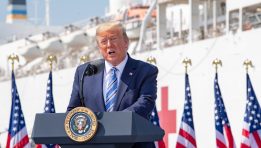
President Donald Trump is intensifying pressure on US oil refiners to increase domestic fuel production and help lower gasoline and

- Ronny Mor
- •
- 6 Min Read
- •
- ago 11 hours
SKN | Oil Prices Rise Nearly 1% as Fresh US-Iran Strikes Renew Supply Disruption Fears
Oil prices extended their sharp rally on Wednesday as renewed military strikes between the United States and Iran increased concerns
- ago 11 hours
- •
- 6 Min Read

Oil prices extended their sharp rally on Wednesday as renewed military strikes between the United States and Iran increased concerns
- Ronny Mor
- •
- 6 Min Read
- •
- ago 16 hours
SKN | Could Oil Prices Break Higher as U.S.-Iran Strikes Intensify the Hormuz Supply Risk?
Oil prices jumped sharply Tuesday as renewed U.S.-Iran military escalation in the Strait of Hormuz heightened concerns about global energy
- ago 16 hours
- •
- 6 Min Read

Oil prices jumped sharply Tuesday as renewed U.S.-Iran military escalation in the Strait of Hormuz heightened concerns about global energy

