


- Ronny Mor
- •
- 8 Min Read
- •
- 8 seconds ago
Key Points
- Alaska’s oil industry is experiencing a major revival driven by new discoveries and expanded federal drilling support.
- The Trump administration is aggressively pursuing Arctic energy development as part of its domestic production strategy.
- Environmental groups continue warning that expanded drilling threatens fragile ecosystems and long-term climate goals.

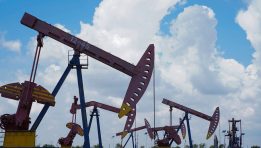
Alaska’s long-struggling oil sector is undergoing a dramatic revival as rising geopolitical energy pressures, new geological discoveries, and aggressive federal policy shifts trigger a renewed race for Arctic energy development.
What once appeared to be a declining industry facing structural collapse is now rapidly transforming into one of the most closely watched energy growth stories in North America.
Just over a decade ago, Alaska’s oil production had fallen to roughly 567,000 barrels per day, sparking serious concerns about the long-term viability of the Trans Alaska Pipeline System, commonly known as TAPS. At the time, engineers feared crude flows could slow to dangerously low levels, potentially causing wax buildup inside the massive pipeline system that carries oil from Alaska’s North Slope to global markets.
Today, however, industry sentiment has shifted sharply as major oil companies, investors, and pipeline operators increasingly view Alaska as a strategic long-term energy opportunity once again.
Trump Administration Accelerates Arctic Energy Expansion
A major catalyst behind Alaska’s renewed momentum has been President Donald Trump’s aggressive effort to expand domestic energy production.
Shortly after returning to office, Trump signed executive actions aimed at unlocking additional oil, gas, and mineral development across Alaska as part of his broader energy dominance agenda.
The administration has since moved to reverse several Biden-era restrictions that had previously limited drilling access across large portions of the National Petroleum Reserve-Alaska.
Federal agencies are also developing plans to accelerate permitting approvals for new Arctic energy projects, a move industry executives believe could significantly reduce regulatory uncertainty for future investments.
The policy shift is particularly important because many oil companies previously hesitated to commit large-scale capital to Alaska due to concerns that changing political administrations could abruptly alter permitting and drilling rules.
Now, growing confidence that pro-development policies may endure longer-term is helping revive exploration activity across the region.
New Discoveries Revive Industry Confidence
Beyond politics, advances in geological research and successful test wells across Alaska’s North Slope are fueling renewed optimism about the state’s untapped oil potential.
Executives across the energy industry increasingly believe earlier estimates significantly underestimated the scale of recoverable reserves in the Arctic region.
The resurgence is visible from Prudhoe Bay production facilities to corporate boardrooms in Houston, where Alaska is once again emerging as a strategic growth focus.
The revival has also brought renewed attention to the future of the Trans Alaska Pipeline System, which remains one of the most important pieces of U.S. energy infrastructure.
For years, declining throughput threatened the pipeline’s long-term operational stability. Industry leaders now believe increased drilling activity and new production could help extend the system’s lifespan while supporting broader domestic energy security goals.
The rebound has already attracted new investment interest across exploration, infrastructure, logistics, and energy services companies tied to Arctic development.
Environmental Concerns Intensify as Arctic Development Expands
Despite growing industry enthusiasm, environmental organizations continue strongly opposing expanded drilling activity in the Arctic.
Conservation groups argue that large-scale oil development in Alaska threatens one of the planet’s most ecologically sensitive and globally important ecosystems.
The National Petroleum Reserve-Alaska spans roughly 23 million acres and serves as habitat for migratory birds, wildlife populations, and fragile tundra environments that environmentalists say could suffer irreversible damage from expanded industrial activity.
Critics also argue that accelerating fossil fuel production undermines broader global climate goals while extending dependence on carbon-intensive energy sources.
Some environmental advocates now warn that the region is entering a “gold rush mentality” as political support, high oil prices, and energy security concerns combine to accelerate development pressure.
At the same time, global geopolitical instability and concerns over Middle East oil supply disruptions have strengthened political arguments favoring expanded domestic production capacity.
Looking ahead, Alaska’s oil resurgence will likely remain a major battleground between energy security priorities, economic development interests, and environmental protection efforts as the global energy transition continues evolving.
Comparison, examination, and analysis between investment houses
Leave your details, and an expert from our team will get back to you as soon as possible
* This article, in whole or in part, does not contain any promise of investment returns, nor does it constitute professional advice to make investments in any particular field.
To read more about the full disclaimer, click here
- Lior mor
- •
- 8 Min Read
- •
- ago 2 days
SKN | High-Yield Energy Stocks Surge as Wall Street Bets on Cash Flow and Dividend Strength
High-yielding energy companies have emerged as some of the strongest performers in global equity markets as investors increasingly rotate
- ago 2 days
- •
- 8 Min Read

High-yielding energy companies have emerged as some of the strongest performers in global equity markets as investors increasingly rotate

- Ronny Mor
- •
- 8 Min Read
- •
- ago 2 days
SKN | Oil Prices Rise as Markets Question Chances of Fast US-Iran Peace Breakthrough
Oil markets regained some ground on Friday as traders reassessed the probability of a near-term diplomatic breakthrough between Washington and
- ago 2 days
- •
- 8 Min Read
Oil markets regained some ground on Friday as traders reassessed the probability of a near-term diplomatic breakthrough between Washington and

- omer bar
- •
- 8 Min Read
- •
- ago 3 days
SKN | Oil Stabilizes After Sharp Drop as Markets React to U.S.-Iran Negotiation Optimism
Oil prices edged modestly higher on Thursday after suffering one of their sharpest declines in months, as investors continued reacting
- ago 3 days
- •
- 8 Min Read

Oil prices edged modestly higher on Thursday after suffering one of their sharpest declines in months, as investors continued reacting
- Lior mor
- •
- 8 Min Read
- •
- ago 3 days
SKN | Oil Prices Sink as Trump Signals Iran Deal Progress and Tanker Traffic Resumes Through Hormuz
Oil prices suffered their sharpest decline in more than a month on Wednesday after President Donald Trump indicated the United
- ago 3 days
- •
- 8 Min Read

Oil prices suffered their sharpest decline in more than a month on Wednesday after President Donald Trump indicated the United


