


- omer bar
- •
- 8 Min Read
- •
- 3 hours ago
Key Points
- The European Union has reportedly reached a provisional agreement framework aimed at finalizing a broader trade deal with the United States
- Markets are closely monitoring the negotiations for potential impacts on tariffs, industrial exports, and cross-border investment flows
- The development signals renewed transatlantic cooperation during a period of geopolitical fragmentation and supply chain realignment

The European Union has moved closer to finalizing a new trade agreement with the United States after reaching a provisional understanding on key negotiation points, according to multiple reports. The progress comes as both economies seek to reinforce supply chain resilience, stabilize industrial trade relations, and reduce uncertainty across strategic sectors including technology, manufacturing, and energy. For investors, the negotiations represent another important step in reshaping global trade dynamics during a period of geopolitical competition and slower economic growth.
Transatlantic Trade Relations Return to Strategic Focus
The emerging agreement highlights renewed efforts by Brussels and Washington to strengthen economic cooperation following years of tariff disputes and regulatory tensions. Trade relations between the EU and the US remain among the largest bilateral economic partnerships globally, with annual goods and services exchanges measured in the trillions of dollars.
Recent negotiations have reportedly focused on reducing barriers across industrial exports, clean energy technologies, and strategic manufacturing sectors. Policymakers on both sides are increasingly prioritizing economic coordination as global supply chains undergo structural changes tied to geopolitical fragmentation, rising protectionism, and competition with China.
For European manufacturers, improved trade stability with the United States could support export visibility and long-term investment planning. US companies operating across European markets may also benefit from greater regulatory clarity and reduced uncertainty surrounding tariffs and cross-border compliance standards.
The provisional agreement additionally reflects a broader shift toward economic alliances among Western economies seeking to secure critical supply chains in semiconductors, renewable energy infrastructure, and advanced industrial production.
Markets Assess Economic and Sector-Level Implications
Financial markets are closely evaluating the potential implications of a finalized trade deal for industrial production, multinational corporate earnings, and capital investment trends. Sectors with significant transatlantic exposure, including automotive manufacturing, aerospace, pharmaceuticals, and technology hardware, could experience improved operating conditions if trade friction declines.
Currency markets may also respond to stronger transatlantic economic coordination, particularly if the agreement contributes to higher trade volumes and more stable investment flows between Europe and the United States. Investors continue to monitor whether the negotiations will include provisions tied to digital trade, artificial intelligence standards, and green energy subsidies.
The deal comes during a period when both economies are navigating slower growth conditions, elevated debt burdens, and ongoing uncertainty regarding central bank policy trajectories. Improved trade cooperation could partially offset some macroeconomic pressures by supporting business confidence and industrial activity.
For Israeli exporters and institutional investors with exposure to European and US equities, the agreement could influence sectors tied to global manufacturing, logistics, cybersecurity, and technology supply chains.
Geopolitical and Strategic Competition Drive Policy Alignment
Beyond economics, the negotiations reflect broader geopolitical considerations shaping Western trade policy. The EU and US have increasingly aligned on strategic concerns involving critical technologies, energy security, and industrial competitiveness.
The agreement may also serve as a counterbalance to rising economic influence from China and other emerging trade blocs. Governments are increasingly using trade frameworks not only to facilitate commerce but also to secure strategic industries and reduce dependence on vulnerable foreign supply chains.
At the same time, negotiations remain politically sensitive. Differences over environmental standards, digital regulation, agricultural exports, and industrial subsidies could still complicate final implementation. Domestic political pressures within both the EU and the United States may also influence the pace and scope of ratification efforts.
Outlook: Investors Watch for Final Terms and Implementation Risks
Looking ahead, investors will closely monitor whether the provisional agreement evolves into a finalized trade framework with enforceable commitments and sector-specific provisions. Markets will particularly focus on tariff structures, regulatory harmonization measures, and strategic industry cooperation.
Key risks include delays in ratification, political opposition within member states, and renewed trade disagreements tied to industrial policy or technology regulation. On the positive side, deeper EU-US economic coordination could support global trade stability, improve business sentiment, and reinforce investment flows across major developed markets.
Overall, the provisional agreement underscores how trade policy is once again becoming a central driver of global economic strategy, with transatlantic cooperation increasingly tied to both growth objectives and geopolitical positioning.
Comparison, examination, and analysis between investment houses
Leave your details, and an expert from our team will get back to you as soon as possible
* This article, in whole or in part, does not contain any promise of investment returns, nor does it constitute professional advice to make investments in any particular field.
To read more about the full disclaimer, click here
- Ronny Mor
- •
- 8 Min Read
- •
- ago 3 hours
SKN | Trump Rejects Claims About Xi and Putin as Geopolitical Messaging Draws Market Attention
Former US President Donald Trump has denied reports claiming that Chinese President Xi Jinping privately suggested Russian President Vladimir Putin
- ago 3 hours
- •
- 8 Min Read
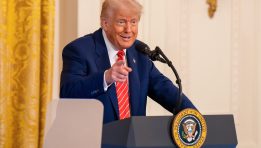
Former US President Donald Trump has denied reports claiming that Chinese President Xi Jinping privately suggested Russian President Vladimir Putin

- sagi habasov
- •
- 7 Min Read
- •
- ago 12 hours
SKN | Could Bessent’s Push for Global Iran Sanctions Escalate Economic Tensions Even Further?
U.S. Treasury Secretary Scott Bessent intensified Washington’s economic campaign against Iran on Tuesday by urging G7 nations and European allies
- ago 12 hours
- •
- 7 Min Read

U.S. Treasury Secretary Scott Bessent intensified Washington’s economic campaign against Iran on Tuesday by urging G7 nations and European allies
- Ronny Mor
- •
- 8 Min Read
- •
- ago 1 day
SKN | Can New Zealand’s Deep Public Sector Cuts Restore Fiscal Stability Without Slowing Economic Growth?
New Zealand is moving forward with a significant restructuring of its public sector, with the government targeting a roughly 14%
- ago 1 day
- •
- 8 Min Read

New Zealand is moving forward with a significant restructuring of its public sector, with the government targeting a roughly 14%

- Lior mor
- •
- 9 Min Read
- •
- ago 1 day
SKN | Trump Administration Launches $1.8 Billion Fund to Resolve IRS ‘Lawfare’ Claims
The Trump administration introduced a $1.8 billion fund intended to compensate individuals and entities claiming they were harmed by
- ago 1 day
- •
- 9 Min Read
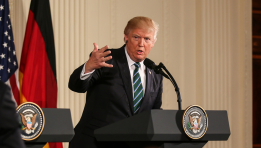
The Trump administration introduced a $1.8 billion fund intended to compensate individuals and entities claiming they were harmed by


