


- orshu
- •
- 8 Min Read
- •
- 15 seconds ago
Key Points
- The Dow Jones Industrial Average edged higher during the May 18 trading session, while technology and small-cap indexes traded slightly lower.
- The VIX volatility index climbed 1.41%, reflecting cautious investor sentiment despite relatively stable benchmark performance.
- The U.S. Dollar Index weakened 0.27%, while Canadian and Brazilian equity markets also moved lower during the session.
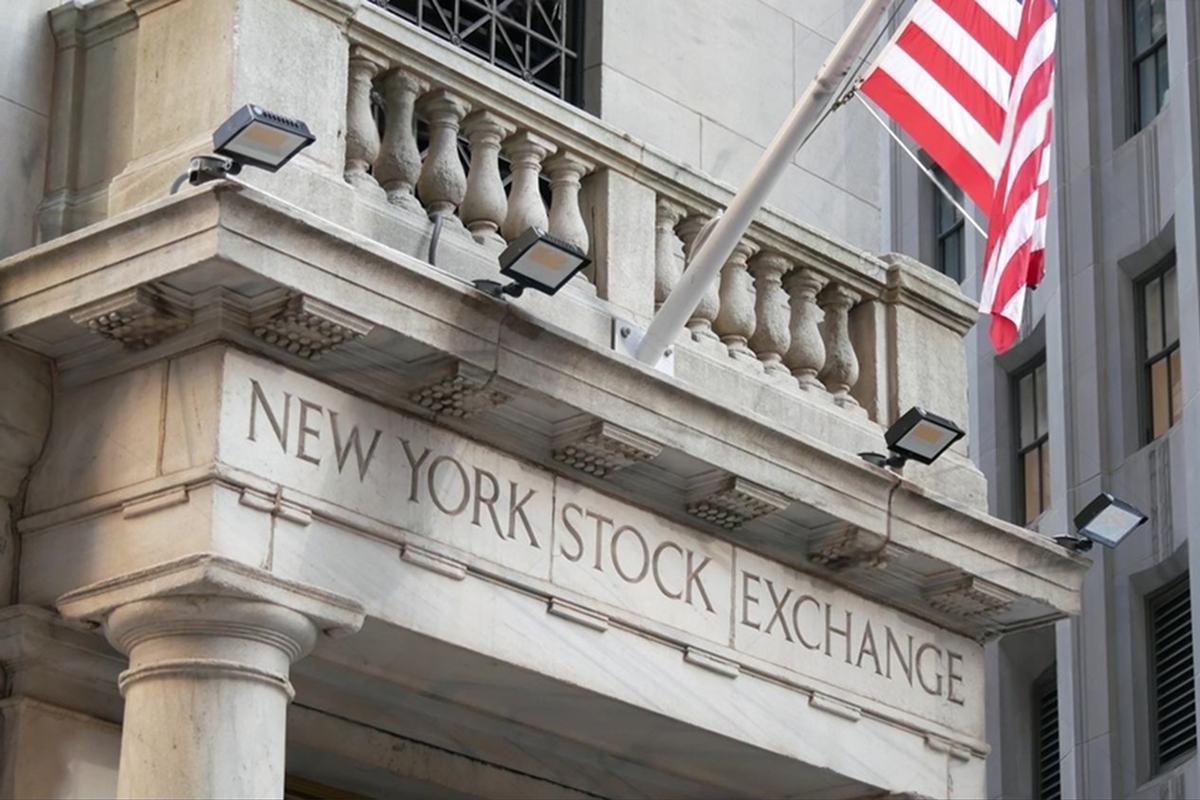
U.S. financial markets traded mixed on May 18 as investors balanced concerns surrounding market valuations, economic growth, and interest-rate expectations. While the Dow Jones Industrial Average posted modest gains, weakness across technology shares and small-cap equities reflected continued caution among traders navigating an uncertain macroeconomic environment.
The trading session also highlighted diverging market behavior across North and South America, with volatility indicators moving higher and currency markets signaling a more defensive tone among global investors.
Dow Holds Gains While Broader Market Momentum Slows
The Dow Jones Industrial Average rose 0.18% to 49,614.85 during the session, supported by relative strength in industrial and defensive sectors. Investors appeared selective in positioning capital, favoring companies viewed as more resilient amid uncertainty surrounding inflation, interest rates, and global growth conditions.
Meanwhile, the S&P 500 traded flat at 7,408.60, reflecting a market struggling to establish stronger directional momentum after recent gains. The benchmark index remained near historically elevated levels, but mixed sector performance suggested investors are becoming increasingly cautious about stretched valuations across portions of the market.
The Nasdaq Composite slipped 0.03% to 26,216.85 as technology shares faced mild pressure. Technology and artificial intelligence-related companies have driven much of the broader market rally throughout the year, but elevated valuations and rising sensitivity to macroeconomic data continue increasing volatility within growth-oriented sectors.
Smaller companies also underperformed during the session, with the Russell 2000 falling 0.14% to 2,789.38. Small-cap stocks are often viewed as more sensitive to domestic economic conditions and financing costs, making them vulnerable during periods of higher interest rates and slower growth expectations.
The divergence between blue-chip industrial stocks and technology or small-cap equities reflected broader uncertainty surrounding the sustainability of current market leadership.
Volatility Rises as Investors Monitor Economic Risks
The CBOE Volatility Index (VIX), often referred to as Wall Street’s “fear gauge,” climbed 1.41% to 18.69 during the session. Although the increase was relatively modest, the move suggested investors continue purchasing downside protection amid ongoing market uncertainty.
A VIX level near 19 does not typically indicate severe stress across financial markets, but it does signal elevated caution compared with periods of stronger investor confidence. Rising volatility expectations often emerge when traders anticipate larger market swings tied to inflation data, Federal Reserve policy decisions, or geopolitical developments.
Investors remain focused on whether the U.S. central bank may maintain higher interest rates for longer than previously expected. Persistent inflation concerns and resilient economic data have complicated expectations for potential rate cuts later this year.
Higher interest rates generally pressure growth-oriented sectors because future earnings become less attractive when discounted at elevated yields. This dynamic continues affecting sentiment across technology and high-valuation equities.
Currency Weakness and Regional Declines Reflect Cautious Global Sentiment
The U.S. Dollar Index declined 0.27% to 99.02, reflecting some softening in demand for defensive currency positioning. Currency markets continue reacting to shifting expectations surrounding U.S. interest rates, Treasury yields, and global capital flows.
Elsewhere in the Americas, Brazil’s IBOVESPA index fell 0.33% to 176,695.44, while Canada’s S&P/TSX Composite Index declined 1.27% to 33,833.35. Commodity-linked markets such as Canada and Brazil remain sensitive to fluctuations in global growth expectations, commodity prices, and investor appetite for risk assets.
The weakness in Canadian equities may also reflect pressure across energy and mining shares as investors reassess demand expectations tied to the global economy. Canadian financial stocks, which carry significant weight within the TSX index, remain closely tied to interest-rate conditions and economic growth trends.
At the same time, investors globally continue evaluating geopolitical risks, corporate earnings performance, and inflation dynamics for signs regarding the future direction of financial markets.
Looking ahead, investors will continue monitoring Federal Reserve commentary, Treasury yield movements, inflation reports, and upcoming corporate earnings releases for additional direction. Continued resilience in economic data could support selective strength in industrial and defensive sectors, while elevated valuations may keep pressure on technology and small-cap stocks. Currency fluctuations, volatility trends, and global growth expectations are also likely to remain important factors shaping investor sentiment across U.S. and international markets in the coming weeks.
Comparison, examination, and analysis between investment houses
Leave your details, and an expert from our team will get back to you as soon as possible
* This article, in whole or in part, does not contain any promise of investment returns, nor does it constitute professional advice to make investments in any particular field.
To read more about the full disclaimer, click here
- Lior mor
- •
- 7 Min Read
- •
- ago 3 hours
SKN | Why Are Dow Futures Falling as Oil Prices Surge and Nvidia Earnings Loom?
U.S. stock futures moved sharply lower on Monday as investors returned from the weekend facing a renewed mix of geopolitical
- ago 3 hours
- •
- 7 Min Read

U.S. stock futures moved sharply lower on Monday as investors returned from the weekend facing a renewed mix of geopolitical

- orshu
- •
- 5 Min Read
- •
- ago 4 hours
SKN | Asia Markets Close Mostly Lower on May 18, 2026 as Australia and Hong Kong Lead Regional Declines
Australia’s S&P/ASX 200 fell 1.45% to 8,505.30, making it the weakest-performing major market in the region. The decline reflects continued
- ago 4 hours
- •
- 5 Min Read

Australia’s S&P/ASX 200 fell 1.45% to 8,505.30, making it the weakest-performing major market in the region. The decline reflects continued
- orshu
- •
- 7 Min Read
- •
- ago 6 hours
SKN | Tel Aviv Market Weakens Broadly as TA-125 Leads Declines and Risk Sentiment Turns Cautious
Israeli financial markets are trading in negative territory as broad-based selling pressure weighs on equity indices while bond markets show
- ago 6 hours
- •
- 7 Min Read

Israeli financial markets are trading in negative territory as broad-based selling pressure weighs on equity indices while bond markets show
- orshu
- •
- 4 Min Read
- •
- ago 6 hours
SKN | European Markets Slide Broadly as Risk-Off Sentiment Returns Across Region
European markets opened the week under pressure on Monday, May 18, 2026, as investors moved back into a risk-off stance.
- ago 6 hours
- •
- 4 Min Read

European markets opened the week under pressure on Monday, May 18, 2026, as investors moved back into a risk-off stance.

