


- Ronny Mor
- •
- 7 Min Read
- •
- 14 seconds ago
Key Points
- A potential Long Island Rail Road (LIRR) strike threatens major disruption to New York City commuter flows
- No formal negotiations are currently underway, increasing uncertainty over timing and resolution
- The dispute highlights broader risks to urban mobility, labor relations, and regional economic productivity
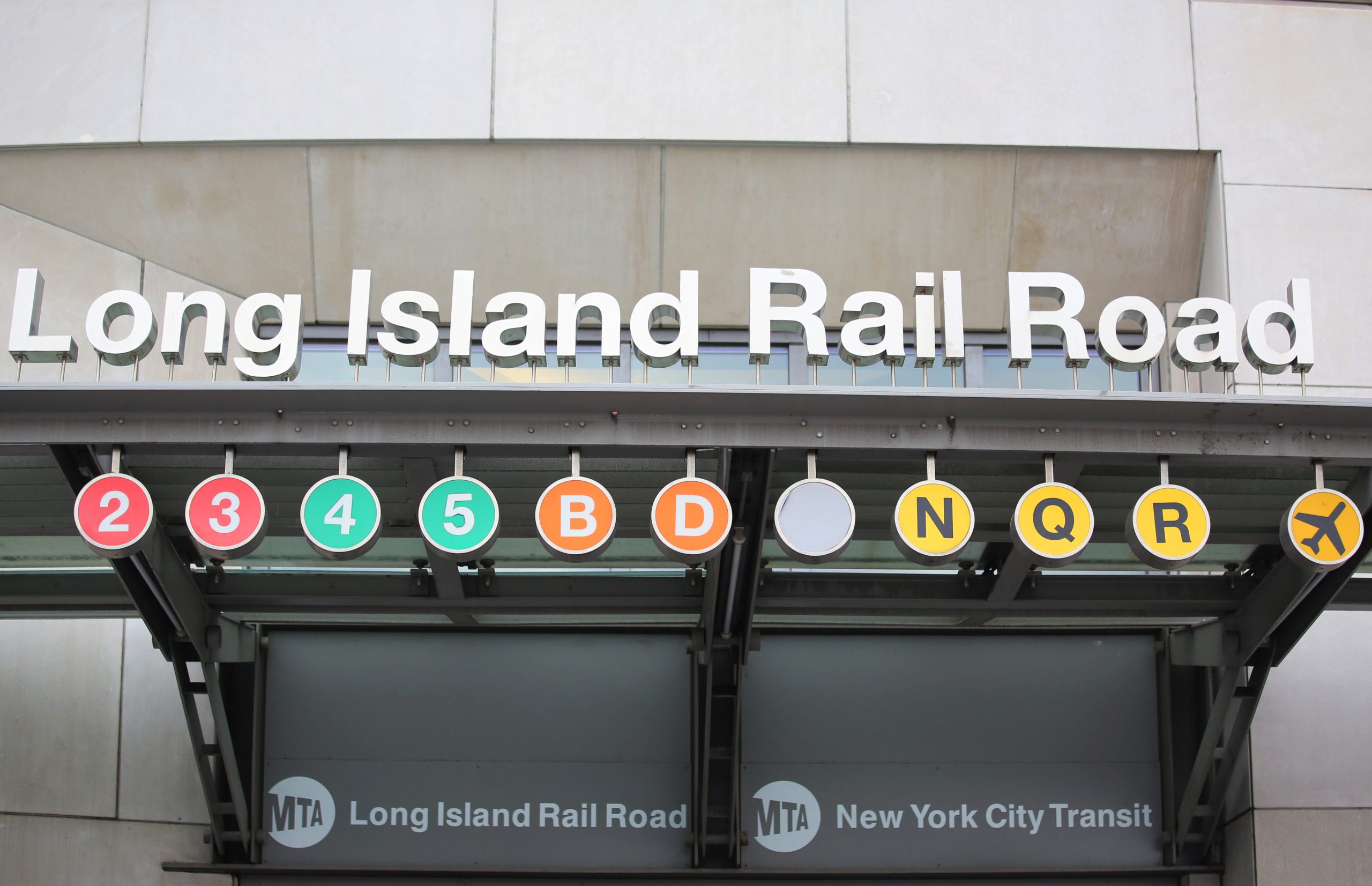
A potential strike by Long Island Rail Road (LIRR) workers is raising concerns over significant disruptions to New York City’s commuter network, with no formal negotiations currently taking place between labor representatives and management. The LIRR is one of the busiest commuter rail systems in the United States, carrying hundreds of thousands of passengers daily into Manhattan and surrounding business hubs. For markets and businesses, the development highlights how labor disputes in critical infrastructure systems can quickly translate into broader economic inefficiencies and productivity risks.
Breakdown in Negotiations Raises Risk of Service Disruption
The absence of active talks between the parties signals an elevated risk that labor tensions could escalate into a full or partial strike. The LIRR plays a central role in regional mobility, particularly for workers commuting between Long Island and New York City’s financial, legal, and corporate districts.
Labor disputes in transportation infrastructure tend to carry outsized economic implications because of their immediate effect on workforce mobility and business continuity. Even limited service disruptions can create ripple effects across office attendance, retail activity, and service-sector productivity in one of the world’s largest metropolitan economies.
The uncertainty surrounding timing and resolution increases pressure on both commuters and employers, many of whom may need to reassess remote work arrangements or alternative commuting strategies if disruptions occur.
Economic and Market Sensitivity to Transit Infrastructure Stability
Public transportation systems like the LIRR are deeply integrated into the economic functioning of the New York metropolitan area, which contributes a significant share of US financial activity and services output. Any sustained disruption could have localized effects on labor availability and productivity, particularly in sectors reliant on in-person operations such as finance, healthcare, and retail.
Transportation disruptions also tend to influence short-term economic sentiment, particularly in urban commercial real estate markets where office occupancy and commuting patterns are closely linked. Reduced commuter reliability can affect business district activity levels and indirectly influence service demand across related industries.
For investors monitoring US regional economic indicators, labor unrest in major transit systems is often viewed as a signal of broader wage pressure dynamics and public sector labor negotiation trends.
Broader Labor Environment Adds Context to Dispute
The LIRR situation emerges within a broader environment of heightened labor activity across transportation, logistics, and public service sectors in the United States. Wage negotiations have become more complex in recent years due to inflationary pressures, cost-of-living adjustments, and post-pandemic labor market tightness.
Transportation unions have increasingly sought higher compensation and improved working conditions, reflecting broader structural shifts in labor expectations. At the same time, public authorities and transit operators face budget constraints and political pressure to maintain affordability and service continuity.
The lack of formal talks at this stage suggests that key issues remain unresolved, including wage structures, benefits, and work rule adjustments. Without engagement between both sides, the risk of escalation remains elevated.
Outlook: Commuter Stability and Negotiation Progress in Focus
Looking ahead, market participants and local stakeholders will closely monitor whether negotiations resume and whether mediation efforts are introduced to prevent service disruption. Any signs of renewed dialogue could reduce near-term uncertainty, while continued stagnation may increase the likelihood of operational impact.
Risks include prolonged disruption to commuter flows, reduced productivity in key economic sectors, and broader pressure on urban transportation systems already managing post-pandemic ridership recovery. On the other hand, a negotiated settlement could stabilize labor relations and restore confidence in transit reliability.
Overall, the situation underscores the economic importance of transportation infrastructure stability in major metropolitan regions, where labor disputes can quickly extend beyond local operations to affect broader economic activity and market sentiment.
Comparison, examination, and analysis between investment houses
Leave your details, and an expert from our team will get back to you as soon as possible
* This article, in whole or in part, does not contain any promise of investment returns, nor does it constitute professional advice to make investments in any particular field.
To read more about the full disclaimer, click here
- Ronny Mor
- •
- 10 Min Read
- •
- ago 2 hours
SKN | Asian Markets Slide on May 18 as South Korea and China Lead Regional Declines While Investors Turn Defensive
Asian equity markets opened Monday, May 18 with broad weakness across the region as investors adopted a defensive tone during
- ago 2 hours
- •
- 10 Min Read

Asian equity markets opened Monday, May 18 with broad weakness across the region as investors adopted a defensive tone during

- omer bar
- •
- 6 Min Read
- •
- ago 13 hours
SKN | TA Banks 5 Index Retraces 9.13% Weekly: Is the Israeli Financial Sector Undergoing a Macroeconomic Reassessment?
The TA Banks 5 Index navigated a highly complex trading week on the Tel Aviv Stock Exchange, ultimately settling at
- ago 13 hours
- •
- 6 Min Read

The TA Banks 5 Index navigated a highly complex trading week on the Tel Aviv Stock Exchange, ultimately settling at

- Lior mor
- •
- 6 Min Read
- •
- ago 13 hours
SKN | TA-RealEstate Index Retraces 9.35% Weekly: Are Israeli Property Equities Entering a Phase of Strategic Consolidation?
The TA-RealEstate Index (TEREAL) navigated a highly challenging trading week on the Tel Aviv Stock Exchange, ultimately settling at
- ago 13 hours
- •
- 6 Min Read

The TA-RealEstate Index (TEREAL) navigated a highly challenging trading week on the Tel Aviv Stock Exchange, ultimately settling at

- Arik Arkadi Sluzki
- •
- 5 Min Read
- •
- ago 14 hours
SKN | TA-125 Index Retraces 3.53% Weekly: Is the Broad Israeli Benchmark Entering a Phase of Strategic Consolidation?
The TA-125 Index navigated a complex trading week on the Tel Aviv Stock Exchange, ultimately settling at 4,318.68 to
- ago 14 hours
- •
- 5 Min Read

The TA-125 Index navigated a complex trading week on the Tel Aviv Stock Exchange, ultimately settling at 4,318.68 to

