


- sagi habasov
- •
- 8 Min Read
- •
- 2 hours ago
Key Points
- Alibaba reported approximately 36% year-over-year cloud revenue growth in its latest quarter, largely fueled by artificial intelligence demand.
- The company’s AI workloads have expanded at triple-digit rates for ten consecutive quarters.
- Investors increasingly view Alibaba as a lower-valuation AI alternative supported by significant recurring cash flow from e-commerce operations.
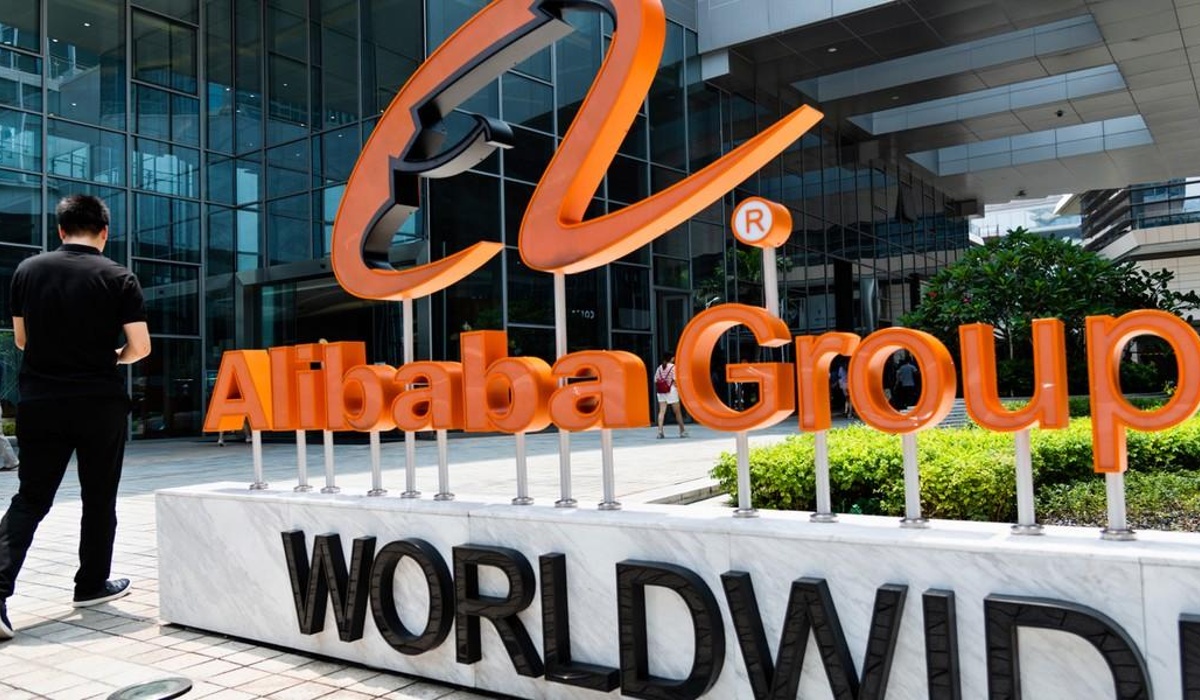
Artificial intelligence continues driving a historic wave of investment across global equity markets, but many of the sector’s leading companies now face growing scrutiny over elevated valuations, aggressive capital spending, and increasingly crowded investor positioning. While much of Wall Street’s attention remains concentrated on high-profile US semiconductor and software giants, Alibaba is quietly emerging as a potentially more balanced way to gain exposure to the AI boom.
The company combines rapidly growing AI-driven cloud demand with a mature cash-generating e-commerce ecosystem, offering investors exposure to artificial intelligence while maintaining stronger underlying business diversification than many pure-play AI competitors.
AI Demand Is Already Producing Measurable Revenue Growth
One of the defining characteristics of the current AI investment cycle is that many companies are still being valued primarily on future expectations rather than existing profitability. Investors have aggressively rewarded businesses tied to artificial intelligence even when monetization remains highly uncertain.
Alibaba presents a different profile. During its December 2025 quarter, the company reported cloud revenue growth of roughly 36% year over year, with management attributing much of the expansion to AI-related workloads.
The company also disclosed that AI workloads have been growing at triple-digit rates for ten consecutive quarters, suggesting that enterprise adoption trends are becoming increasingly sustainable rather than speculative.
This distinction matters because it reduces one of the biggest risks associated with AI investing — uncertainty surrounding commercial demand. Alibaba is no longer simply promoting future AI ambitions. The company is already generating measurable revenue from artificial intelligence infrastructure and enterprise services.
Core E-Commerce Operations Strengthen Financial Stability
Unlike many AI-focused companies that depend heavily on external financing or aggressive equity valuations, Alibaba continues benefiting from a massive underlying commerce ecosystem.
Platforms such as Taobao and Tmall remain deeply embedded within China’s digital economy, generating recurring cash flow despite slowing growth rates across the broader e-commerce sector.
This financial foundation gives Alibaba strategic flexibility as it increases spending on AI infrastructure, data centers, and computing capacity.
The company can aggressively expand its AI capabilities without relying on repeated capital raises, allowing management to pursue long-term investments while maintaining stronger balance-sheet stability than many emerging AI competitors.
Alibaba Is Building Across the Entire AI Ecosystem
Alibaba’s AI strategy extends far beyond cloud hosting services alone.
The company is building across multiple layers of the AI ecosystem, including infrastructure, large language models, deployment tools, and integrated applications inside its own commercial platforms.
Its Qwen AI models are increasingly positioned as enterprise development tools within China’s growing AI market, while Alibaba Cloud continues supporting rising demand tied to generative AI applications.
The company also integrates artificial intelligence throughout logistics, local services, advertising, and e-commerce operations, allowing Alibaba to benefit both as a technology provider and as a direct enterprise AI user.
Competitive and Geopolitical Risks Still Remain
Despite its strengthening AI position, Alibaba still faces meaningful risks that investors cannot ignore.
Competition inside China’s technology sector remains intense, with companies including Tencent, Baidu, and Huawei aggressively increasing AI investments and infrastructure spending.
At the same time, Alibaba’s own capital expenditures tied to artificial intelligence are likely to pressure near-term margins as the company accelerates spending on data centers and computing infrastructure.
Broader concerns surrounding China’s economy, geopolitical tensions with the United States, and shifting investor sentiment toward Chinese equities also remain important variables that could affect valuation performance.
Outlook
Looking ahead, investors will closely monitor whether Alibaba can continue translating AI demand into sustainable earnings growth while maintaining stability across its core commerce operations. If execution remains strong, the company could increasingly position itself as one of the more balanced and financially resilient AI investment opportunities in today’s volatile technology market.
Unlike many AI-focused companies trading primarily on future projections, Alibaba offers investors a combination of existing profitability, infrastructure scale, and direct exposure to enterprise AI adoption. However, long-term performance will still depend heavily on execution, competitive positioning, regulatory stability, and broader geopolitical developments surrounding China’s technology sector.
Comparison, examination, and analysis between investment houses
Leave your details, and an expert from our team will get back to you as soon as possible
* This article, in whole or in part, does not contain any promise of investment returns, nor does it constitute professional advice to make investments in any particular field.
To read more about the full disclaimer, click here
- Lior mor
- •
- 9 Min Read
- •
- ago 2 days
SKN | Chip Stocks Fall as US-China Summit Ends Without Major Semiconductor Breakthroughs
Global semiconductor stocks moved lower after high-level talks between the United States and China ended without major agreements related
- ago 2 days
- •
- 9 Min Read
Global semiconductor stocks moved lower after high-level talks between the United States and China ended without major agreements related

- orshu
- •
- 8 Min Read
- •
- ago 2 days
SKN | U.S. Stock Market Valuations Reach Highest Levels Since the Dot-Com Era
U.S. stock market valuations have risen to their highest levels since the late 1990s dot-com boom, as artificial intelligence
- ago 2 days
- •
- 8 Min Read

U.S. stock market valuations have risen to their highest levels since the late 1990s dot-com boom, as artificial intelligence

- sagi habasov
- •
- 8 Min Read
- •
- ago 2 days
SKN | Institutional Investors Increase Exposure to AI Infrastructure Stocks as Capital Flows Accelerate
Institutional investors increased holdings of artificial intelligence infrastructure companies during the first quarter of 2026, reinforcing the sector’s position
- ago 2 days
- •
- 8 Min Read

Institutional investors increased holdings of artificial intelligence infrastructure companies during the first quarter of 2026, reinforcing the sector’s position

- Ronny Mor
- •
- 8 Min Read
- •
- ago 2 days
SKN | Is Bristol Myers Squibb’s China Partnership Signaling a New Era for Global Drug Development?
Bristol Myers Squibb is reshaping the traditional pharmaceutical development model through a new cross-border collaboration with Hengrui Pharma, highlighting
- ago 2 days
- •
- 8 Min Read

Bristol Myers Squibb is reshaping the traditional pharmaceutical development model through a new cross-border collaboration with Hengrui Pharma, highlighting

