


- Lior mor
- •
- 9 Min Read
- •
- 11 seconds ago
Key Points
- Global semiconductor stocks declined after the latest US-China summit concluded without significant trade or technology agreements.
- Investors remain concerned about export restrictions, supply-chain fragmentation, and rising geopolitical tensions surrounding advanced chips.
- The semiconductor sector continues facing uncertainty despite strong long-term demand linked to artificial intelligence and cloud infrastructure.
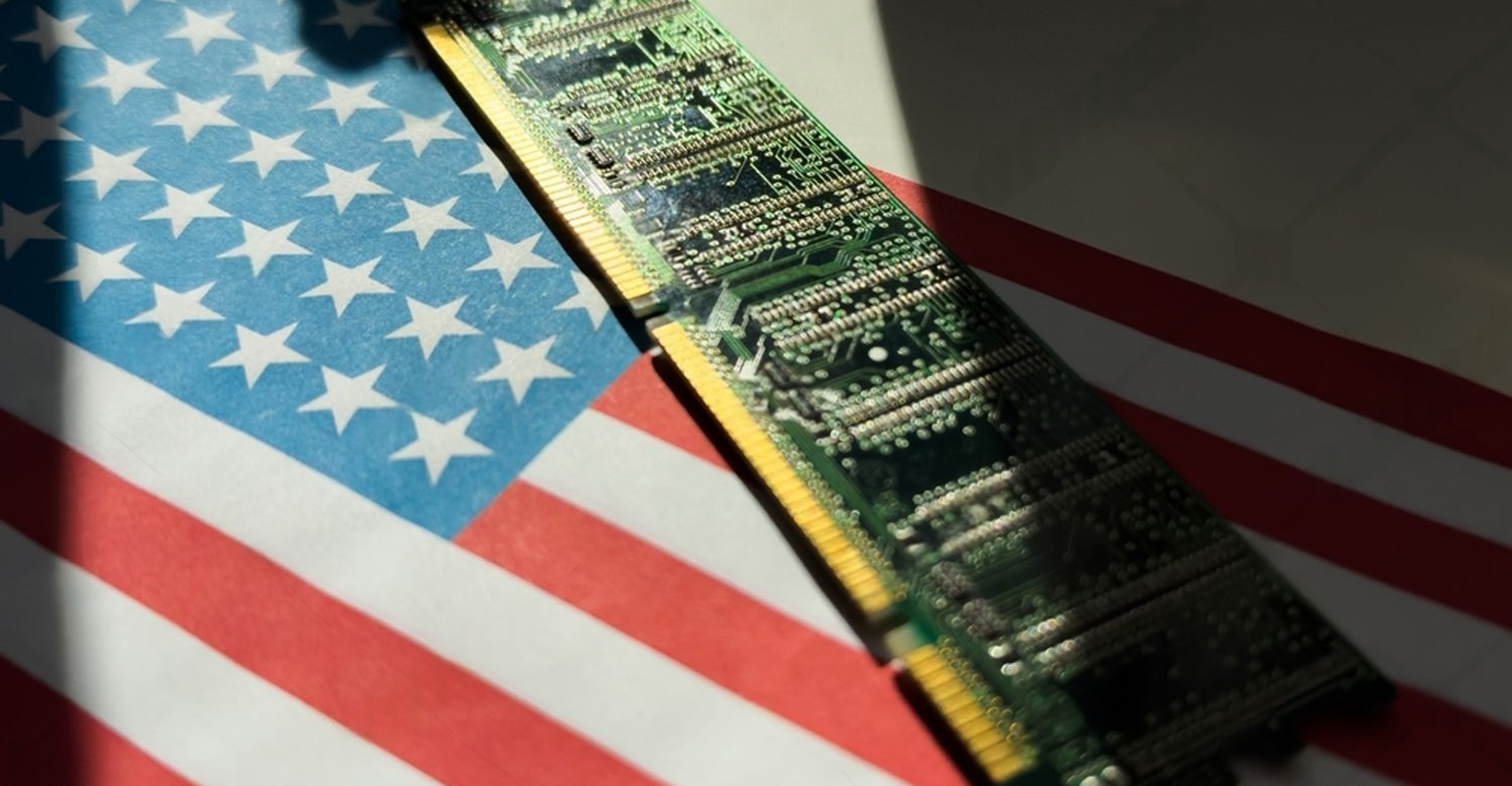
Global semiconductor stocks moved lower after high-level talks between the United States and China ended without major agreements related to technology trade, export controls, or semiconductor cooperation. Investors had closely monitored the summit for signs of easing tensions between the world’s two largest economies, particularly regarding restrictions affecting advanced chip manufacturing and artificial intelligence infrastructure.
The lack of meaningful progress added renewed pressure to semiconductor equities, which have become increasingly sensitive to geopolitical developments amid rising global demand for AI-related computing power and advanced chip technologies.
Semiconductor Sector Reacts to Limited Diplomatic Progress
Major chipmakers and semiconductor equipment companies experienced declines following the summit as investors reassessed expectations for improved trade relations between Washington and Beijing. The market reaction reflected growing concerns that geopolitical tensions surrounding advanced semiconductor technology may remain a long-term structural issue for the industry.
The United States has continued tightening export restrictions on advanced AI chips and semiconductor manufacturing equipment destined for China, citing national security concerns. China, meanwhile, has accelerated efforts to strengthen domestic chip production capabilities and reduce dependence on Western technology suppliers.
Investors had hoped the summit might produce signs of regulatory easing, expanded trade cooperation, or clearer frameworks surrounding semiconductor exports. Instead, the absence of significant policy announcements reinforced uncertainty across global technology markets.
Several semiconductor firms with substantial exposure to Chinese demand experienced notable weakness during trading sessions following the talks. Companies involved in advanced processors, chip-design software, memory production, and semiconductor equipment remain particularly vulnerable to changing trade restrictions and supply-chain disruptions.
The semiconductor industry plays a central role in global technology infrastructure, making geopolitical developments between the United States and China especially important for investors worldwide.
AI Demand Continues Supporting Long-Term Industry Outlook
Despite the short-term market weakness, long-term demand trends within the semiconductor sector remain closely tied to artificial intelligence expansion, cloud computing, and data-center growth. AI-related applications require enormous processing power and advanced memory capacity, supporting continued investment across multiple areas of the chip industry.
Semiconductor companies linked to AI accelerators, graphics processing units (GPUs), networking systems, and high-bandwidth memory have delivered strong earnings growth throughout the past year. However, rising geopolitical tensions have introduced additional risks into an industry already dealing with supply-chain complexity and capital-intensive manufacturing requirements.
Analysts note that the global semiconductor supply chain remains deeply interconnected despite increasing political fragmentation. Many U.S. and European chip companies still rely heavily on Asian manufacturing capacity, while Chinese technology firms remain important customers for global semiconductor suppliers.
The growing push toward supply-chain diversification has also accelerated investment into domestic chip manufacturing across the United States, Europe, and Asia. Governments worldwide continue introducing incentives aimed at strengthening local semiconductor production and reducing strategic dependence on foreign suppliers.
Israel’s technology sector remains closely connected to global semiconductor trends, particularly through research and development activity involving AI processors, cybersecurity hardware, and chip-design technologies. Israeli firms operating within semiconductor ecosystems may continue benefiting from global AI investment despite broader geopolitical uncertainty.
Markets Focus on Export Controls and Supply-Chain Stability
Investor attention is increasingly centered on how future export-control policies could reshape competition within the semiconductor industry. Restrictions targeting advanced chips and manufacturing equipment have already influenced revenue forecasts, capital spending plans, and supply-chain strategies across the sector.
At the same time, China continues investing aggressively in domestic semiconductor development to reduce reliance on imported technology. This effort has intensified competition within global chip markets while increasing pressure on multinational firms navigating complex regulatory environments.
Financial markets are also watching whether geopolitical tensions could contribute to higher production costs or slower technology deployment globally. Semiconductor manufacturing requires highly specialized supply chains involving raw materials, advanced machinery, software, and international coordination.
Although artificial intelligence demand continues supporting strong long-term growth expectations, semiconductor stocks remain highly sensitive to policy shifts, trade negotiations, and geopolitical headlines. Elevated valuations across portions of the technology sector have further amplified investor reactions to political uncertainty.
Looking ahead, investors will continue monitoring future diplomatic discussions between the United States and China, potential adjustments to export restrictions, and upcoming earnings reports from major semiconductor companies. Continued AI infrastructure expansion could support long-term industry growth, but geopolitical tensions and supply-chain fragmentation may remain key risks influencing semiconductor valuations, capital investment strategies, and broader technology market performance over the coming quarters.
Comparison, examination, and analysis between investment houses
Leave your details, and an expert from our team will get back to you as soon as possible
* This article, in whole or in part, does not contain any promise of investment returns, nor does it constitute professional advice to make investments in any particular field.
To read more about the full disclaimer, click here
- Ronny Mor
- •
- 8 Min Read
- •
- ago 22 minutes
SKN | Stocks Retreat as Treasury Yields Surge and Inflation Concerns Shake Global Markets
Global stock markets moved lower as Treasury yields climbed sharply amid renewed concerns that inflation may remain elevated longer
- ago 22 minutes
- •
- 8 Min Read

Global stock markets moved lower as Treasury yields climbed sharply amid renewed concerns that inflation may remain elevated longer

- orshu
- •
- 8 Min Read
- •
- ago 40 minutes
SKN | U.S. Stock Market Valuations Reach Highest Levels Since the Dot-Com Era
U.S. stock market valuations have risen to their highest levels since the late 1990s dot-com boom, as artificial intelligence
- ago 40 minutes
- •
- 8 Min Read

U.S. stock market valuations have risen to their highest levels since the late 1990s dot-com boom, as artificial intelligence

- sagi habasov
- •
- 8 Min Read
- •
- ago 51 minutes
SKN | Institutional Investors Increase Exposure to AI Infrastructure Stocks as Capital Flows Accelerate
Institutional investors increased holdings of artificial intelligence infrastructure companies during the first quarter of 2026, reinforcing the sector’s position
- ago 51 minutes
- •
- 8 Min Read

Institutional investors increased holdings of artificial intelligence infrastructure companies during the first quarter of 2026, reinforcing the sector’s position
- Ronny Mor
- •
- 8 Min Read
- •
- ago 2 hours
SKN | Is Bristol Myers Squibb’s China Partnership Signaling a New Era for Global Drug Development?
Bristol Myers Squibb is reshaping the traditional pharmaceutical development model through a new cross-border collaboration with Hengrui Pharma, highlighting
- ago 2 hours
- •
- 8 Min Read

Bristol Myers Squibb is reshaping the traditional pharmaceutical development model through a new cross-border collaboration with Hengrui Pharma, highlighting

