


- sagi habasov
- •
- 8 Min Read
- •
- 16 seconds ago
Key Points
- Samsung Electronics expresses regret over the collapse of wage talks with its labor union but confirms ongoing dialogue
- The dispute highlights rising labor pressure across global semiconductor and tech manufacturing sectors
- Investors are watching potential cost implications for margins amid a cyclical recovery in chip demand
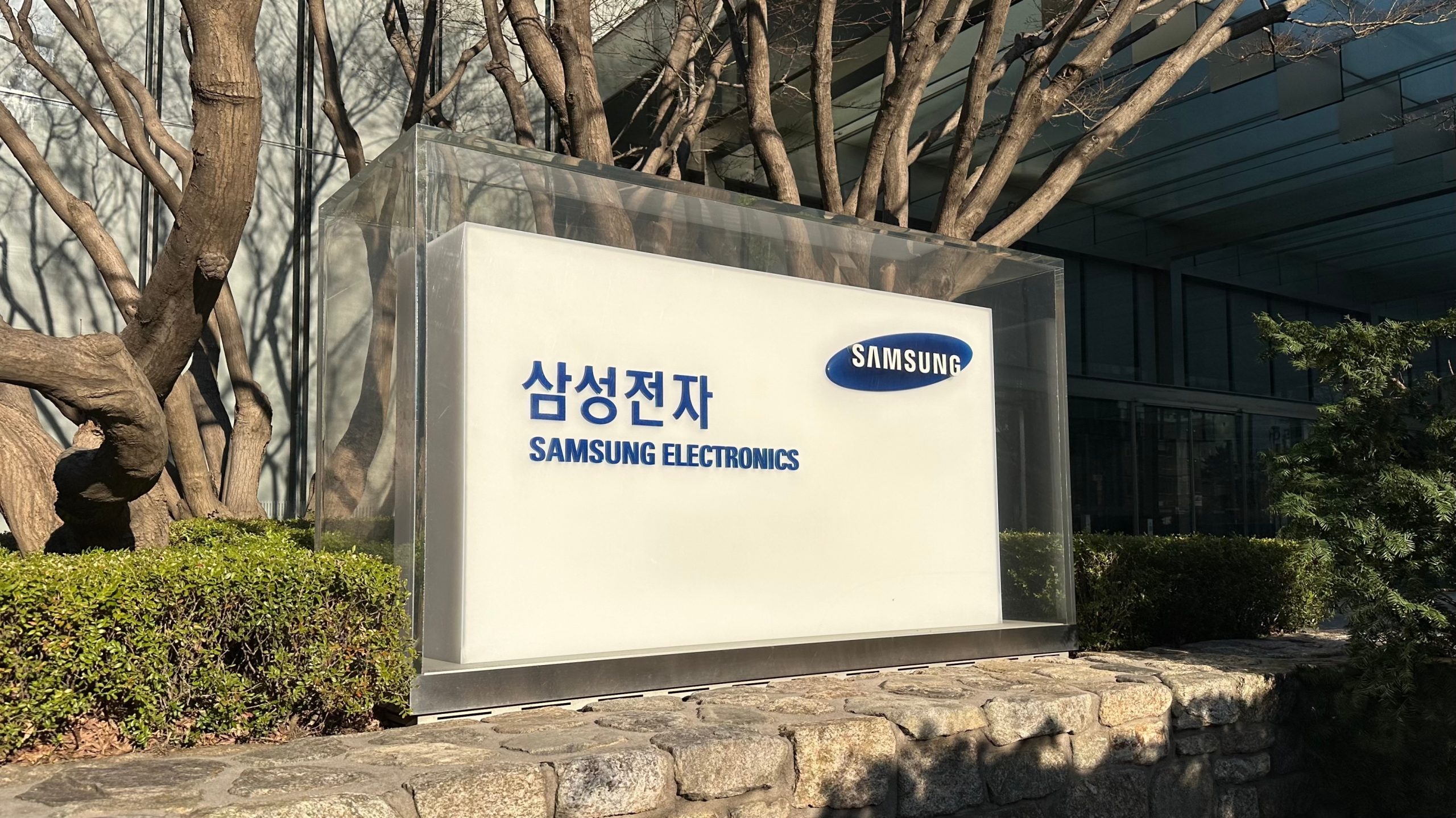
Samsung Electronics has expressed regret over the breakdown in pay negotiations with its labor union, while emphasizing that discussions will continue in an effort to reach a resolution. The development comes at a sensitive moment for the global semiconductor industry, which is navigating a recovery cycle in demand alongside persistent cost pressures, including wages and supply chain adjustments. For global investors, including those in Israel with exposure to semiconductor and technology equities, the situation adds another layer of labor-related risk to an already complex earnings environment.
Labor Dispute Emerges Amid Semiconductor Cycle Recovery
The collapse of wage negotiations reflects growing tension between corporate cost management strategies and employee compensation demands within one of the world’s largest chipmakers. Samsung Electronics, a key global supplier of memory chips and advanced electronics, plays a central role in global supply chains, meaning internal labor developments can carry broader market relevance.
While the company has not disclosed detailed figures from the failed negotiations, labor disputes in large industrial conglomerates typically revolve around base salary adjustments, bonus structures, and long-term incentive alignment. The timing is particularly notable given the semiconductor sector’s gradual recovery after a prolonged downturn driven by weak chip pricing and inventory corrections.
For investors, labor negotiations introduce potential variability in operating expenses at a time when earnings forecasts are already sensitive to fluctuations in chip pricing and global demand cycles.
Cost Pressures and Margin Sensitivity in Focus
Samsung’s position as a vertically integrated technology manufacturer means that labor costs are embedded across semiconductor fabrication, consumer electronics, and display production. Even marginal increases in wage commitments can influence overall profitability, particularly in segments where pricing power remains cyclical.
The semiconductor industry has historically been characterized by high fixed costs and capital intensity, meaning that incremental cost increases can have a disproportionate effect on operating margins during periods of moderate revenue growth. As global demand for memory chips and AI-related semiconductors improves, market participants are closely monitoring whether rising input costs could offset revenue gains.
For Israeli and global institutional investors with exposure to semiconductor supply chains, including AI hardware and cloud infrastructure plays, Samsung’s labor dynamics are an additional variable in assessing medium-term margin stability across the sector.
Ongoing Dialogue Signals Attempted De-escalation
Despite the breakdown in negotiations, Samsung Electronics has stated that it intends to continue dialogue with its union representatives. This suggests that both sides remain engaged in the negotiation process, even if near-term agreement has not been reached.
In large multinational corporations, extended negotiation cycles are not uncommon, particularly when aligning compensation structures with global competitiveness and internal productivity benchmarks. The continuation of talks reduces the immediate risk of prolonged industrial disruption, although it does not eliminate the possibility of future escalation if differences remain unresolved.
At a broader level, labor relations in South Korea’s industrial sectors have become increasingly visible to global markets, particularly as companies expand advanced manufacturing capacity tied to semiconductors and AI-driven technologies.
Outlook: Labor Costs and Semiconductor Sentiment in Focus
Looking ahead, market attention will likely center on whether Samsung Electronics can reach a compromise that balances employee compensation expectations with the need to maintain competitive cost structures. Key factors include global chip pricing trends, demand from AI-related infrastructure investment, and broader wage inflation dynamics in high-skill manufacturing sectors.
Risks include renewed labor tension that could affect operational efficiency, potential upward pressure on fixed costs, and increased scrutiny from investors focused on margin sustainability. On the other hand, a swift resolution could reduce uncertainty and support a more stable outlook for earnings expectations across the semiconductor cycle.
Overall, the situation underscores how labor relations are becoming an increasingly important component of financial analysis in global technology manufacturing, alongside traditional drivers such as demand cycles and capital investment trends.
Comparison, examination, and analysis between investment houses
Leave your details, and an expert from our team will get back to you as soon as possible
* This article, in whole or in part, does not contain any promise of investment returns, nor does it constitute professional advice to make investments in any particular field.
To read more about the full disclaimer, click here
- Lior mor
- •
- 8 Min Read
- •
- ago 3 hours
SKN | Anthropic Eyes $900 Billion Valuation in Massive New AI Funding Round
Anthropic Pursues Record-Breaking Funding Round Artificial intelligence startup Anthropic is reportedly exploring one of the largest fundraising rounds in technology
- ago 3 hours
- •
- 8 Min Read

Anthropic Pursues Record-Breaking Funding Round Artificial intelligence startup Anthropic is reportedly exploring one of the largest fundraising rounds in technology

- orshu
- •
- 7 Min Read
- •
- ago 6 hours
SKN | Apple Extends Rally as Earnings Momentum and AI Expectations Strengthen Investor Confidence
Apple Inc. (NASDAQ: AAPL) closed higher on Tuesday, May 12, extending its recent upward momentum as investors continued positioning
- ago 6 hours
- •
- 7 Min Read
Apple Inc. (NASDAQ: AAPL) closed higher on Tuesday, May 12, extending its recent upward momentum as investors continued positioning
- Lior mor
- •
- 6 Min Read
- •
- ago 6 hours
SKN | Qualcomm Leads Chip Stock Selloff as Inflation Fears Shake AI Rally
Semiconductor Stocks Retreat After Massive AI Rally Semiconductor shares tumbled on Tuesday as investors pulled back from one of the
- ago 6 hours
- •
- 6 Min Read

Semiconductor Stocks Retreat After Massive AI Rally Semiconductor shares tumbled on Tuesday as investors pulled back from one of the
- Lior mor
- •
- 8 Min Read
- •
- ago 10 hours
SKN | Millicom Q1 2026 Earnings Highlight Telecom Growth Strategy Across Latin America
Millicom International Cellular S.A. (NASDAQ: TIGO), operating under the Tigo brand, released its first-quarter 2026 earnings results as investors
- ago 10 hours
- •
- 8 Min Read
Millicom International Cellular S.A. (NASDAQ: TIGO), operating under the Tigo brand, released its first-quarter 2026 earnings results as investors

