


- Ronny Mor
- •
- 7 Min Read
- •
- 57 seconds ago
Key Points
- The S&P 500 and Nasdaq retreated from record highs as technology stocks weakened and inflation data came in hotter than expected.
- Rising oil prices linked to escalating US-Iran tensions are increasing concerns about persistent inflation and weaker consumer spending.
- Major semiconductor stocks including Micron, AMD, and Qualcomm declined after massive recent rallies tied to the artificial intelligence boom.

Stocks Pull Back After Record Rally
US stocks edged lower on Tuesday as investors reacted to rising inflation pressures, higher energy prices, and a pause in the recent semiconductor-driven market rally. The S&P 500 slipped 0.16% to close at 7,400.96, while the Nasdaq Composite fell 0.71% to 26,088.20.
The Dow Jones Industrial Average managed to post a modest gain, rising 56 points to finish at 49,760.56.
The decline came after both the S&P 500 and Nasdaq recently reached new all-time highs, fueled largely by enthusiasm surrounding artificial intelligence infrastructure spending and semiconductor stocks.
Chip Stocks Cool After Massive Surge
Technology and semiconductor shares faced profit-taking pressure after weeks of sharp gains.
Micron Technology fell 3.6% after surging more than 37% during the previous week and over 50% during the past month amid the ongoing memory chip rally.
Advanced Micro Devices declined roughly 2%, while Qualcomm dropped 11%.
The recent rally in AI-related semiconductor companies has been one of the primary drivers behind broader equity market strength in 2026.
However, investors appear increasingly cautious about stretched valuations, rising inflation risks, and whether the pace of gains can continue uninterrupted.
Oil Prices Jump as Iran Tensions Escalate
Energy prices continued moving sharply higher as geopolitical tensions between the United States and Iran intensified.
West Texas Intermediate crude futures surged more than 4% to settle above $102 per barrel, while Brent crude climbed above $107 per barrel.
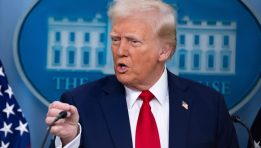
The latest gains followed comments from President Donald Trump describing the month-old US-Iran ceasefire as “on massive life support” after rejecting Tehran’s latest counterproposal aimed at ending the conflict.
Iran reportedly demanded war reparations, full sovereignty over the Strait of Hormuz, sanctions relief, and access to frozen Iranian assets as part of negotiations.
The continuing disruption surrounding the Strait of Hormuz remains a major concern for global energy markets because the waterway is one of the world’s most important oil shipping routes.
Inflation Data Adds to Market Pressure
Investors also reacted to fresh inflation data showing price pressures remain elevated.
According to the Bureau of Labor Statistics, the consumer price index rose 0.6% in April, pushing annual inflation to 3.8%.
The reading came in slightly above economist expectations and marked the highest annual inflation rate since mid-2023.
Although monthly inflation matched forecasts, markets focused heavily on the continued upward trend in consumer prices, especially as energy costs keep rising.
Analysts warn that persistent increases in gasoline and energy prices could place additional strain on household spending and overall economic growth.
Consumer Spending Concerns Begin Rising
Market strategists increasingly worry that prolonged geopolitical instability and elevated fuel costs may eventually weaken consumer activity.
Consumer spending remains the largest component of the US economy, accounting for roughly two-thirds of total economic activity.
Higher gasoline prices, transportation costs, and broader inflationary pressures could gradually reduce discretionary spending and weigh on economic momentum.
Some analysts believe the longer the Middle East conflict continues without meaningful diplomatic progress, the more difficult it may become for inflation to stabilize.
This environment has also increased speculation that the Federal Reserve could keep interest rates elevated for longer than investors previously expected.
Markets Continue Balancing AI Optimism and Macro Risks
Despite Tuesday’s pullback, investor sentiment toward artificial intelligence infrastructure and semiconductor demand remains broadly positive.
However, markets are increasingly attempting to balance long-term AI growth optimism against short-term macroeconomic risks tied to inflation, oil prices, and geopolitical instability.
The combination of surging energy costs and elevated equity valuations is likely to keep volatility elevated in the near term as investors monitor both earnings growth and global political developments.
Comparison, examination, and analysis between investment houses
Leave your details, and an expert from our team will get back to you as soon as possible
* This article, in whole or in part, does not contain any promise of investment returns, nor does it constitute professional advice to make investments in any particular field.
To read more about the full disclaimer, click here
- sagi habasov
- •
- 5 Min Read
- •
- ago 3 hours
SKN | Tesla Shares Slip Ahead of Elon Musk’s China Visit With Trump Trade Delegation
Tesla shares edged lower ahead of Elon Musk’s expected trip to China as part of a broader trade delegation
- ago 3 hours
- •
- 5 Min Read

Tesla shares edged lower ahead of Elon Musk’s expected trip to China as part of a broader trade delegation
- sagi habasov
- •
- 8 Min Read
- •
- ago 6 hours
SKN | GameStop Cuts Losses After eBay Reportedly Rejects Takeover Proposal
GameStop Corp. (NYSE: GME) trimmed earlier losses during trading after reports emerged that eBay had rejected a takeover proposal
- ago 6 hours
- •
- 8 Min Read

GameStop Corp. (NYSE: GME) trimmed earlier losses during trading after reports emerged that eBay had rejected a takeover proposal

- orshu
- •
- 7 Min Read
- •
- ago 12 hours
SKN | Tel Aviv Market Weakens Broadly as Small Caps Lead Losses While Bonds Remain Relatively Stable
Israeli financial markets are trading in a broadly negative tone as equity indices decline across most major benchmarks, while bond
- ago 12 hours
- •
- 7 Min Read

Israeli financial markets are trading in a broadly negative tone as equity indices decline across most major benchmarks, while bond

- Lior mor
- •
- 7 Min Read
- •
- ago 17 hours
SKN | US Seeks to Maintain Trump-Era Tariff Revenues After Court Defeat, Raising Trade Policy Uncertainty
The US administration is seeking to maintain the collection of tariffs originally introduced under former President Donald Trump, even after
- ago 17 hours
- •
- 7 Min Read
The US administration is seeking to maintain the collection of tariffs originally introduced under former President Donald Trump, even after

