


- sagi habasov
- •
- 8 Min Read
- •
- 33 seconds ago
Key Points
- GameStop shares recovered part of their earlier decline after reports indicated that eBay rejected a potential takeover approach.
- The development renewed investor focus on GameStop’s strategic direction amid ongoing efforts to stabilize its retail and digital business operations.
- Market participants continue assessing GameStop’s long-term transformation strategy as meme-stock volatility and speculative trading remain elevated.

GameStop Corp. (NYSE: GME) trimmed earlier losses during trading after reports emerged that eBay had rejected a takeover proposal involving the videogame retailer. The news added another layer of volatility to one of Wall Street’s most closely watched meme stocks, reigniting debate over GameStop’s future strategic options and valuation outlook.
The stock’s intraday recovery reflected continued speculative interest surrounding GameStop despite persistent uncertainty regarding the company’s long-term business model. Investors remain sharply divided between those viewing the company as a potential turnaround story and those concerned about structural challenges facing physical gaming retail.
Takeover Speculation Fuels Market Volatility
Reports surrounding a rejected acquisition proposal involving eBay generated renewed attention toward GameStop’s strategic positioning. While details regarding the reported approach remain limited and unconfirmed publicly by both companies, the headlines were enough to trigger heightened trading activity and rapid shifts in investor sentiment.
GameStop initially moved lower during the session before recovering part of its losses as traders reassessed the implications of the reported rejection. Some investors interpreted the news as evidence that strategic interest may still exist around GameStop’s customer base, brand recognition, and digital commerce potential.
At the same time, the reported rejection also reinforced concerns about the company’s uncertain strategic future. GameStop has spent several years attempting to transition beyond its traditional brick-and-mortar videogame retail business as consumer purchasing behavior increasingly shifts toward digital downloads, subscription gaming, and online marketplaces.
The company became globally recognized during the 2021 meme-stock trading frenzy, when retail investor activity triggered historic volatility and short squeezes across heavily shorted equities. Since then, GameStop shares have remained highly sensitive to speculative momentum, social media activity, and rumors surrounding corporate strategy.
Transformation Efforts Continue Facing Structural Challenges
GameStop has pursued multiple transformation initiatives in recent years, including efforts tied to e-commerce expansion, cost reductions, and digital asset experimentation. However, the company continues facing difficult industry conditions as physical software sales decline across the gaming sector.
The broader gaming industry has increasingly shifted toward cloud gaming, subscription ecosystems, and direct-to-consumer digital distribution models dominated by major publishers and platform providers. These trends have reduced the relevance of traditional physical game retailers compared with previous console generations.
Investors remain focused on whether GameStop can successfully establish sustainable revenue streams outside its legacy retail operations. While management has emphasized operational discipline and balance sheet preservation, long-term growth visibility remains uncertain.
The company’s substantial cash reserves and relatively low debt profile continue providing some financial flexibility. However, analysts remain cautious regarding the company’s ability to generate consistent profitability without a clearer competitive advantage in digital commerce or gaming services.
Meme Stock Dynamics Continue Influencing Investor Sentiment
GameStop remains one of the most prominent examples of meme-stock market behavior, where social media-driven trading activity can heavily influence short-term price movements regardless of traditional valuation metrics.
The stock continues attracting both speculative retail traders and hedge funds, contributing to unusually high volatility levels compared with more traditional retail equities. Short interest trends, options activity, and online investor communities remain important drivers of GameStop’s market behavior.
For global investors, including those in Israel monitoring U.S. technology and retail sectors, GameStop represents a broader case study in how online trading communities and social sentiment can reshape equity market dynamics. The phenomenon has also influenced regulatory discussions surrounding market structure, retail trading access, and short-selling transparency.
Looking ahead, investors will closely monitor whether GameStop pursues additional strategic alternatives, including partnerships, acquisitions, or further restructuring initiatives. Market participants are also likely to focus on the company’s cash flow performance, retail sales trends, and ability to adapt to the evolving gaming ecosystem. While speculative trading interest may continue supporting elevated volatility, long-term investor sentiment will likely depend on whether GameStop can establish a more sustainable and scalable business model in an increasingly digital gaming industry.
Comparison, examination, and analysis between investment houses
Leave your details, and an expert from our team will get back to you as soon as possible
* This article, in whole or in part, does not contain any promise of investment returns, nor does it constitute professional advice to make investments in any particular field.
To read more about the full disclaimer, click here
- orshu
- •
- 7 Min Read
- •
- ago 6 hours
SKN | Tel Aviv Market Weakens Broadly as Small Caps Lead Losses While Bonds Remain Relatively Stable
Israeli financial markets are trading in a broadly negative tone as equity indices decline across most major benchmarks, while bond
- ago 6 hours
- •
- 7 Min Read

Israeli financial markets are trading in a broadly negative tone as equity indices decline across most major benchmarks, while bond

- Lior mor
- •
- 7 Min Read
- •
- ago 11 hours
SKN | US Seeks to Maintain Trump-Era Tariff Revenues After Court Defeat, Raising Trade Policy Uncertainty
The US administration is seeking to maintain the collection of tariffs originally introduced under former President Donald Trump, even after
- ago 11 hours
- •
- 7 Min Read
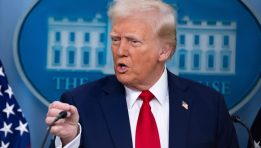
The US administration is seeking to maintain the collection of tariffs originally introduced under former President Donald Trump, even after
- orshu
- •
- 6 Min Read
- •
- ago 11 hours
SKN | Global Markets Wrap: May 11, 2026 Performance Review and Outlook for May 12, 2026 as Mixed Risk Sentiment Emerges Across Global Equities Amid Volatility Spike
Global markets ended May 11, 2026 with a mixed tone, as gains in U.S. equities contrasted with broad weakness across
- ago 11 hours
- •
- 6 Min Read

Global markets ended May 11, 2026 with a mixed tone, as gains in U.S. equities contrasted with broad weakness across

- Ronny Mor
- •
- 10 Min Read
- •
- ago 13 hours
SKN | Asian Markets Advance on May 12 as Korea, Japan, and China Lead Regional Gains While India Slides
Asian equity markets opened Tuesday, May 12 with broadly positive momentum across much of the region as investors returned to
- ago 13 hours
- •
- 10 Min Read

Asian equity markets opened Tuesday, May 12 with broadly positive momentum across much of the region as investors returned to


