


- Ronny Mor
- •
- 7 Min Read
- •
- 3 days ago
Key Points
- Oil prices surged after President Donald Trump said the US-Iran ceasefire was “on life support,” raising fears of renewed escalation in the Middle East.
- The effective closure of the Strait of Hormuz continues disrupting global crude shipments and tightening energy supplies worldwide.
- Analysts warn that rapidly falling global oil inventories could push markets toward operational stress levels within months if disruptions continue.
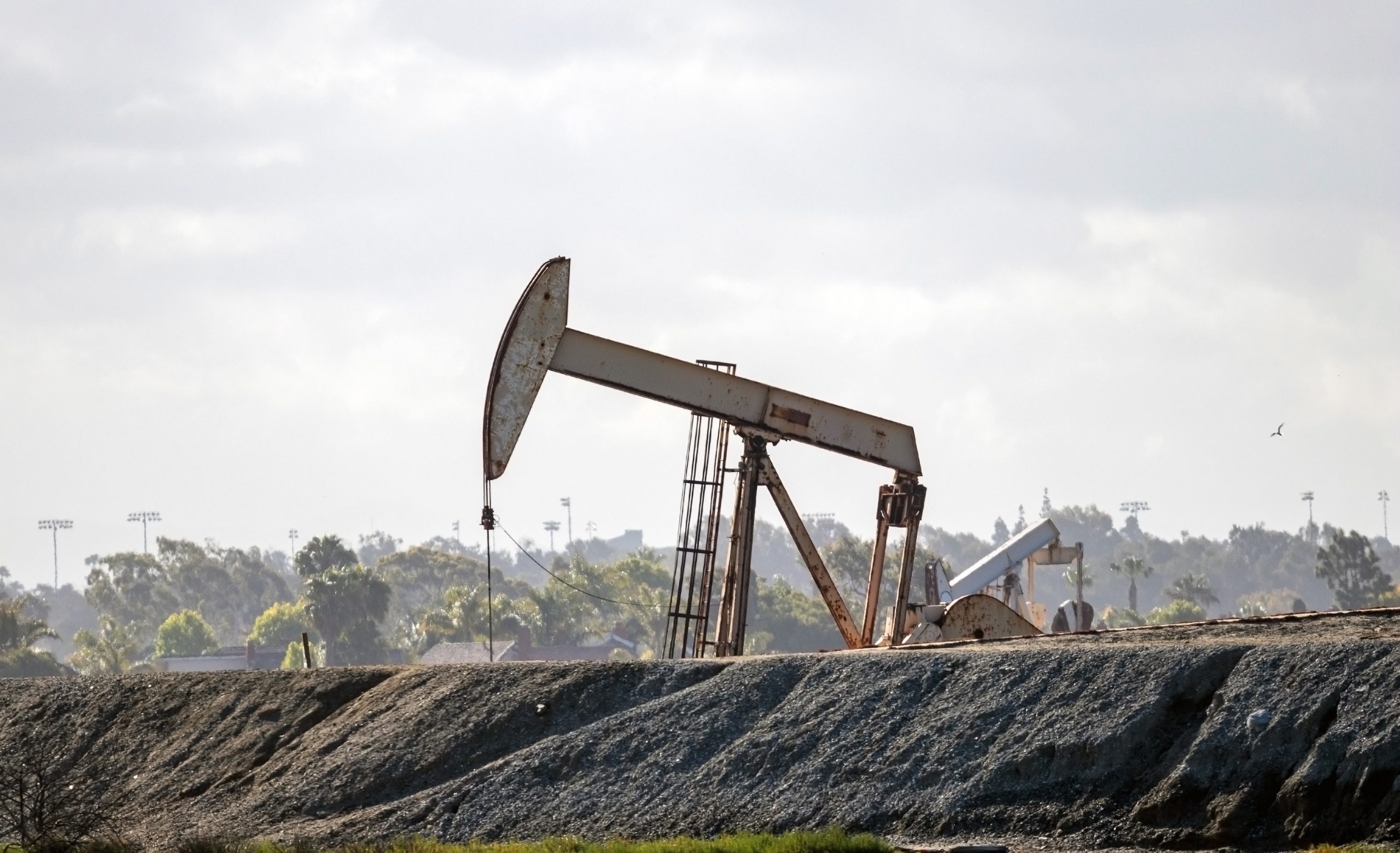
Oil Extends Rally Amid Rising Geopolitical Risks
Global oil prices moved sharply higher on Tuesday as investors reacted to renewed tensions between the United States and Iran and growing uncertainty surrounding the fragile ceasefire agreement.
Brent crude futures climbed roughly 3.6% to trade near $108 per barrel, while West Texas Intermediate crude advanced above $101 per barrel.
The latest gains came after President Donald Trump stated that the US-Iran ceasefire was “on life support,” signaling growing frustration with Tehran’s latest response to Washington’s peace proposal.
Markets remain highly sensitive to developments in the Gulf region because the conflict has already severely disrupted global energy flows and heightened fears of a prolonged supply shock.
Hormuz Closure Continues Pressuring Global Supply Chains
The Strait of Hormuz remains at the center of the global energy crisis.
Traffic through the strategic waterway remained largely halted on Tuesday, continuing to choke off significant volumes of crude oil and fuel shipments moving through the region.
Iran reportedly demanded the lifting of the US naval blockade of Hormuz as part of broader negotiations tied to renewed peace talks. Tehran is also seeking sanctions relief and influence over future maritime traffic through the strait.
The disruption has severely constrained global inventories, especially as energy markets lose one of the world’s most important transportation corridors for oil and liquefied natural gas exports.
Saudi Aramco CEO Amin Nasser warned that the world is losing roughly 100 million barrels of oil supply for every day the conflict persists.
Regional Military Tensions Continue Escalating
Investors are also monitoring signs that the conflict could expand further across the Middle East.
Kuwait accused Iran’s Revolutionary Guard Corps of carrying out military actions near Kuwaiti territory, describing the incident as a violation of national sovereignty.
Meanwhile, reports indicated the United Arab Emirates has allegedly conducted undisclosed operations targeting Iran following repeated missile and drone attacks on Emirati infrastructure.
The United States also confirmed it carried out strikes against Iranian targets after Tehran fired on US naval vessels operating near the Strait of Hormuz.
The repeated exchanges have raised fears that the region could slide back into direct large-scale military conflict despite ongoing diplomatic discussions.
Inventory Drawdowns Becoming a Major Market Concern
One factor helping prevent even larger price spikes has been previously elevated global crude inventories.
However, analysts now warn that those buffers are shrinking rapidly.
According to research from JPMorgan Chase, OECD oil inventories are expected to approach operational stress levels by June and could fall below minimum operational requirements by September if disruptions continue.
Operational minimum levels refer to the point at which storage facilities, refineries, and pipeline systems can no longer function efficiently due to insufficient supply.
JPMorgan analysts believe the accelerating pace of inventory depletion may ultimately force some form of reopening of the Strait of Hormuz regardless of ongoing political disputes.
Global Economic Impact Begins Expanding
The prolonged disruption is now beginning to affect broader economic activity worldwide.
JPMorgan estimates global oil demand fell by 2.8 million barrels per day in March and 4.3 million barrels per day in April as governments and businesses reacted to surging fuel costs.
Demand losses are expected to deepen further in May.
Several Southeast Asian countries have already introduced fuel rationing measures and shortened workweeks to reduce energy consumption.
European airlines have also started reducing certain regional flight routes due to rising jet fuel prices and supply pressures.
The situation continues increasing concerns about inflation, economic growth, and central bank policy as elevated energy costs spread across transportation, manufacturing, and consumer markets globally.
Comparison, examination, and analysis between investment houses
Leave your details, and an expert from our team will get back to you as soon as possible
* This article, in whole or in part, does not contain any promise of investment returns, nor does it constitute professional advice to make investments in any particular field.
To read more about the full disclaimer, click here
- Lior mor
- •
- 7 Min Read
- •
- ago 1 week
SKN | Oil Prices Swing Lower as US and Iran Weigh Hormuz Reopening Deal
Oil Extends Volatile Pullback Oil prices moved sharply lower on Thursday as traders reacted to growing diplomatic momentum between the
- ago 1 week
- •
- 7 Min Read
Oil Extends Volatile Pullback Oil prices moved sharply lower on Thursday as traders reacted to growing diplomatic momentum between the

- sagi habasov
- •
- 5 Min Read
- •
- ago 2 months
SKN | US Crude Inventories Surge as Fuel Stock Draw Signals Strong Demand
U.S. crude oil inventories posted a significant increase for the week ending March 13, rising by 6.16 million barrels to
- ago 2 months
- •
- 5 Min Read

U.S. crude oil inventories posted a significant increase for the week ending March 13, rising by 6.16 million barrels to

- Ronny Mor
- •
- 6 Min Read
- •
- ago 2 months
SKN | Could Oil Surge Beyond $100? Crude Climbs Past $86 as Middle East Tensions Disrupt Global Supply
Oil Rally Reflects Rising Geopolitical Risk Premium Crude oil markets surged sharply this week as geopolitical tensions intensified across the
- ago 2 months
- •
- 6 Min Read
Oil Rally Reflects Rising Geopolitical Risk Premium Crude oil markets surged sharply this week as geopolitical tensions intensified across the
- orshu
- •
- 6 Min Read
- •
- ago 2 months
SKN | Oil Rally Revives $100 Crude Bet as Energy ETFs Surge
The prospect of $100 oil has returned to market discussions as crude prices rally amid geopolitical tensions and concerns over
- ago 2 months
- •
- 6 Min Read
The prospect of $100 oil has returned to market discussions as crude prices rally amid geopolitical tensions and concerns over

