


- Arik Arkadi Sluzki
- •
- 8 Min Read
- •
- 10 seconds ago
Key Points
- Iran submitted a formal response to the latest U.S. peace proposal aimed at ending the 10-week conflict that has disrupted global energy markets.
- The fragile ceasefire remains under pressure as new drone attacks and shipping incidents continue across the Persian Gulf.
- Global markets remain focused on the Strait of Hormuz, where restricted shipping activity continues threatening oil and liquefied natural gas supplies.

Iran has officially responded to the latest peace proposal from the United States as diplomatic efforts continue to prevent a wider escalation in the Middle East conflict that has destabilized global energy markets.
Iran’s state-run Islamic Republic News Agency confirmed that Tehran submitted its reply to Washington’s proposal, though officials did not publicly disclose the contents of the response.
The plan proposed by Donald Trump reportedly includes a phased reopening of the Strait of Hormuz and an end to U.S. restrictions targeting Iranian ports within the next month.
However, Iranian authorities have not yet indicated publicly whether they are prepared to fully accept the proposal.
Hormuz Remains the Center of the Crisis
The Strait of Hormuz remains the central issue in the conflict, with the strategic waterway still operating under severe restrictions after months of military escalation.
Before the war began in late February, roughly 20% of global oil and liquefied natural gas shipments moved through the strait.
The conflict has disrupted global energy flows, triggered sharp increases in fuel prices, and intensified inflation pressures worldwide.
Although a ceasefire officially took effect on April 8, multiple security incidents continue threatening stability in the region.
A drone strike on Sunday temporarily set a cargo vessel ablaze near Qatar, while the United Arab Emirates and Kuwait both reported intercepting hostile drones.
Iranian Deputy Foreign Minister Kazem Gharibabadi also warned that British and French naval deployments in Hormuz could face what he described as a “decisive and immediate response” from Iranian forces.
Trump and Netanyahu Warn Conflict May Continue
President Trump warned over the weekend that the United States could pursue alternative measures if negotiations fail to produce a finalized agreement.
Trump criticized Iran in social media remarks and suggested Washington may expand maritime operations linked to “Project Freedom,” the brief U.S. effort to escort ships through the strait and challenge Iran’s maritime restrictions.
Meanwhile, Benjamin Netanyahu stated that the conflict is “not over,” arguing that additional actions may still be necessary to dismantle Iran’s nuclear infrastructure and highly enriched uranium stockpiles.
Although the current peace framework focuses primarily on restoring shipping access and reducing military tensions, negotiations over Iran’s nuclear program remain unresolved and highly contentious.
Energy Markets Remain Under Pressure
The prolonged disruption in Hormuz continues weighing heavily on global energy markets.
Saudi Aramco warned that oil markets may require several months to normalize even if shipping routes reopen immediately.
Aramco Chief Executive Amin Nasser said prolonged shipping disruptions could delay full market stabilization until 2027 if trade constraints continue.
Some Gulf producers have already adapted by rerouting exports through alternative pipeline infrastructure and limited shipping corridors.
Bloomberg ship-tracking data showed Qatar successfully exported a liquefied natural gas shipment through Hormuz this weekend for the first time since the conflict began.
The cargo was reportedly headed to Pakistan, which has emerged as an important mediator in U.S.-Iran negotiations.
Oil Prices Stay Elevated Despite Diplomacy Hopes
Oil prices remain elevated as traders continue balancing diplomatic optimism against ongoing military and shipping risks.
Brent crude settled around $101 per barrel on Friday, though prices still recorded a weekly decline of approximately 6% as markets reacted to fluctuating ceasefire expectations.
The conflict has sharply increased global fuel prices and intensified economic pressure on governments, consumers, and central banks worldwide.
The crisis is also becoming an increasingly important political issue in the United States ahead of upcoming midterm elections as gasoline prices continue rising.
Markets Watch for Signs of De-Escalation
Investors and governments are now closely monitoring whether Iran and the United States can move beyond temporary ceasefire arrangements toward a more durable political settlement.
Any sustained reopening of Hormuz would likely ease pressure on oil markets, inflation expectations, and global shipping flows.
However, ongoing military incidents, unresolved nuclear disputes, and conflicting political demands continue making the path toward a comprehensive agreement highly uncertain.
Comparison, examination, and analysis between investment houses
Leave your details, and an expert from our team will get back to you as soon as possible
* This article, in whole or in part, does not contain any promise of investment returns, nor does it constitute professional advice to make investments in any particular field.
To read more about the full disclaimer, click here
- Ronny Mor
- •
- 7 Min Read
- •
- ago 3 days
SKN | Will the Latest Ruling on Trump Tariffs Reshape Global Trade Strategy for Businesses?
A recent ruling tied to tariffs introduced during Donald Trump’s administration has revived uncertainty around global trade policy, raising questions
- ago 3 days
- •
- 7 Min Read
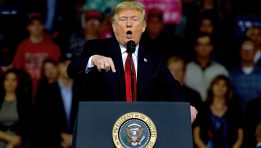
A recent ruling tied to tariffs introduced during Donald Trump’s administration has revived uncertainty around global trade policy, raising questions

- omer bar
- •
- 7 Min Read
- •
- ago 3 days
SKN | Can US–China Diplomacy Hold Steady as Iran Tensions Add Geopolitical Pressure?
The planned summit between US President Donald Trump and Chinese President Xi Jinping is continuing as scheduled, even as Beijing
- ago 3 days
- •
- 7 Min Read
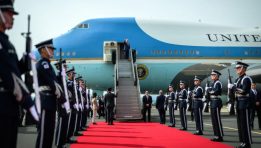
The planned summit between US President Donald Trump and Chinese President Xi Jinping is continuing as scheduled, even as Beijing

- Lior mor
- •
- 7 Min Read
- •
- ago 3 days
SKN | Can Lula and Trump Reset US–Brazil Trade Relations as Optimism Returns to Markets?
Brazilian President Luiz Inácio Lula da Silva emerged from discussions with President Donald Trump expressing optimism regarding future trade relations
- ago 3 days
- •
- 7 Min Read
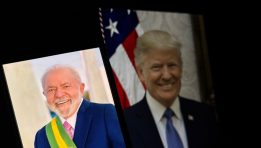
Brazilian President Luiz Inácio Lula da Silva emerged from discussions with President Donald Trump expressing optimism regarding future trade relations
- Ronny Mor
- •
- 7 Min Read
- •
- ago 3 days
SKN | Will US Strikes on Iranian Targets Deepen Middle East Market Volatility?
The United States has launched strikes on Iranian-linked targets as President Donald Trump renewed demands for Tehran to accept a
- ago 3 days
- •
- 7 Min Read
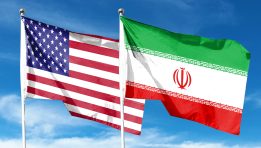
The United States has launched strikes on Iranian-linked targets as President Donald Trump renewed demands for Tehran to accept a


