


- Arik Arkadi Sluzki
- •
- 7 Min Read
- •
- 2 minutes ago
Key Points
- The potential resolution of the conflict fundamentally changes market risk premiums by initiating a rotation from defensive energy hedges into growth-oriented equities.
- The normalization of global supply routes shifts behavior from inflation-driven caution to aggressive capital deployment in high-yield technology sectors.
- The concentration of earnings growth in artificial intelligence infrastructure increases exposure to sector-specific volatility despite broader market stabilization.

Risk Repricing in a Stabilizing Geopolitical Environment
The current equity market rally reflects a profound repricing mechanism as geopolitical risk premiums compress. The anticipated diplomatic framework between the United States and Iran facilitates a significant reallocation of institutional capital. Liquidity previously sequestered in commodities and defensive hedges is actively migrating toward risk assets and growth equities. This transition fundamentally alters the pricing structure across major indices, reducing the implied volatility tax associated with disrupted global trade routes. Consequently, capital flows are accelerating into sectors where structural growth narratives remain intact, fundamentally reshaping near-term market dynamics. The reduction in systemic macro uncertainty allows investors to pivot their focus from external shocks back to fundamental corporate performance and cash flow generation.
Energy Markets Under Structural Rebalancing
The potential diplomatic resolution fundamentally disrupts the pricing mechanics within global energy markets, reversing the war-premium that defined the previous quarter. The stabilization of transit through the Strait of Hormuz directly unwinds the supply disruption fears that drove Brent crude futures to sustained elevated levels. This structural rebalancing forces a rapid liquidation of speculative long positions in energy commodities, driving prices down toward pre-conflict baselines. The resulting decline in global energy costs acts as a direct margin expansion mechanism for transportation and manufacturing sectors heavily burdened by input inflation. Furthermore, the alleviation of high retail fuel costs structurally improves consumer balance sheets, reducing the necessity for demand destruction to achieve macroeconomic inflation targets. Market participants are aggressively recalculating forward earnings models across industrial sectors to reflect this optimized input cost environment.
Capital Flows and Artificial Intelligence Concentration
While geopolitical stabilization provides the macroeconomic catalyst, structural capital flows remain heavily concentrated within the artificial intelligence hardware ecosystem. Strong earnings execution from semiconductor and server infrastructure providers confirms that fundamental corporate growth is currently isolated within specific technology verticals. This dynamic drives institutional capital toward a narrow cohort of market leaders, creating a bifurcated equity market where index performance masks underlying breadth weakness. Although current valuations do not yet indicate systemic irrational exuberance, the heavy reliance on a single structural theme increases index-level sensitivity to future capital expenditure cycles. This concentration alters risk management frameworks, forcing institutions to balance outsized earnings generation against the structural risks of localized asset crowding. The sustainability of this rally depends heavily on the continued deployment of artificial intelligence infrastructure capital.
Corporate Strategy in a Shifting Cost Environment
The transition toward a lower-inflation environment dictates a stark divergence in corporate operational strategies and forward guidance. Enterprises possessing strong pricing power and robust consumer demographics are leveraging the stabilizing macroeconomic backdrop to upwardly revise revenue projections. Conversely, entities exposed to structural operational inefficiencies or pending corporate restructuring are withdrawing forward guidance, signaling ongoing uncertainty regarding the translation of macroeconomic stabilization into localized profitability. This environment forces management teams to rapidly adjust capital expenditure and inventory models that were previously calibrated for sustained geopolitical disruption. The resulting divergence in corporate performance highlights the market’s decreasing tolerance for fundamental weakness in an environment where capital costs remain historically restrictive. Consequently, institutional investors are increasingly demanding precise execution and penalizing entities unable to capitalize on the moderating inflation inputs.
Where the Stress Is Likely to Surface
The normalization of asset prices remains entirely contingent upon the successful execution of the diplomatic framework and the subsequent stabilization of energy transit corridors. Institutional stress is likely to surface rapidly if ongoing negotiations fail, triggering an immediate and aggressive repricing of geopolitical risk across all asset classes. Capital scarcity will remain the defining constraint, dictating that future market resilience depends on sustained earnings execution rather than systemic multiple expansion.
Comparison, examination, and analysis between investment houses
Leave your details, and an expert from our team will get back to you as soon as possible
* This article, in whole or in part, does not contain any promise of investment returns, nor does it constitute professional advice to make investments in any particular field.
To read more about the full disclaimer, click here
- Ronny Mor
- •
- 5 Min Read
- •
- ago 1 day
SKN | Seoul Reaches Record Highs: KOSPI Index Breaks the 7,500 Mark
South Korea's stock market continues to defy expectations with a surge of over 190% in the past year, fueled by
- ago 1 day
- •
- 5 Min Read
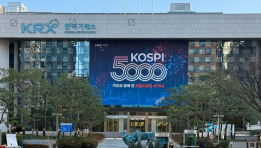
South Korea's stock market continues to defy expectations with a surge of over 190% in the past year, fueled by

- omer bar
- •
- 7 Min Read
- •
- ago 2 days
SKN | South Korea’s KOSPI Index Concludes a Year of Gains: Technology, Exports, and Expectations for Supportive Policy
Technological Recovery as a Key Driver of Gains The KOSPI index, the main benchmark of South Korea’s stock
- ago 2 days
- •
- 7 Min Read

Technological Recovery as a Key Driver of Gains The KOSPI index, the main benchmark of South Korea’s stock
- omer bar
- •
- 8 Min Read
- •
- ago 1 week
SKN | SoftBank’s AI and Robotics IPO Plans Signal New Phase for Global Tech Capital Markets
SoftBank is preparing to list its artificial intelligence and robotics company Roze in the United States, according to a Financial
- ago 1 week
- •
- 8 Min Read

SoftBank is preparing to list its artificial intelligence and robotics company Roze in the United States, according to a Financial
- Ronny Mor
- •
- 7 Min Read
- •
- ago 4 weeks
SKN | Reported Strait of Hormuz Blockade Escalation Raises Market Risk Even as US and Iran Signal Talks
Global energy markets are responding to heightened geopolitical tension following reports that the United States has begun restricting maritime movement
- ago 4 weeks
- •
- 7 Min Read

Global energy markets are responding to heightened geopolitical tension following reports that the United States has begun restricting maritime movement


