


- omer bar
- •
- 7 Min Read
- •
- 5 seconds ago
Key Points
- U.S. President Donald Trump has extended the Iran ceasefire while maintaining existing economic restrictions and blockade measures
- Diplomatic negotiations have shown limited progress, raising uncertainty over long-term regional stability
- Energy and financial markets are closely monitoring potential supply disruptions and geopolitical escalation risks
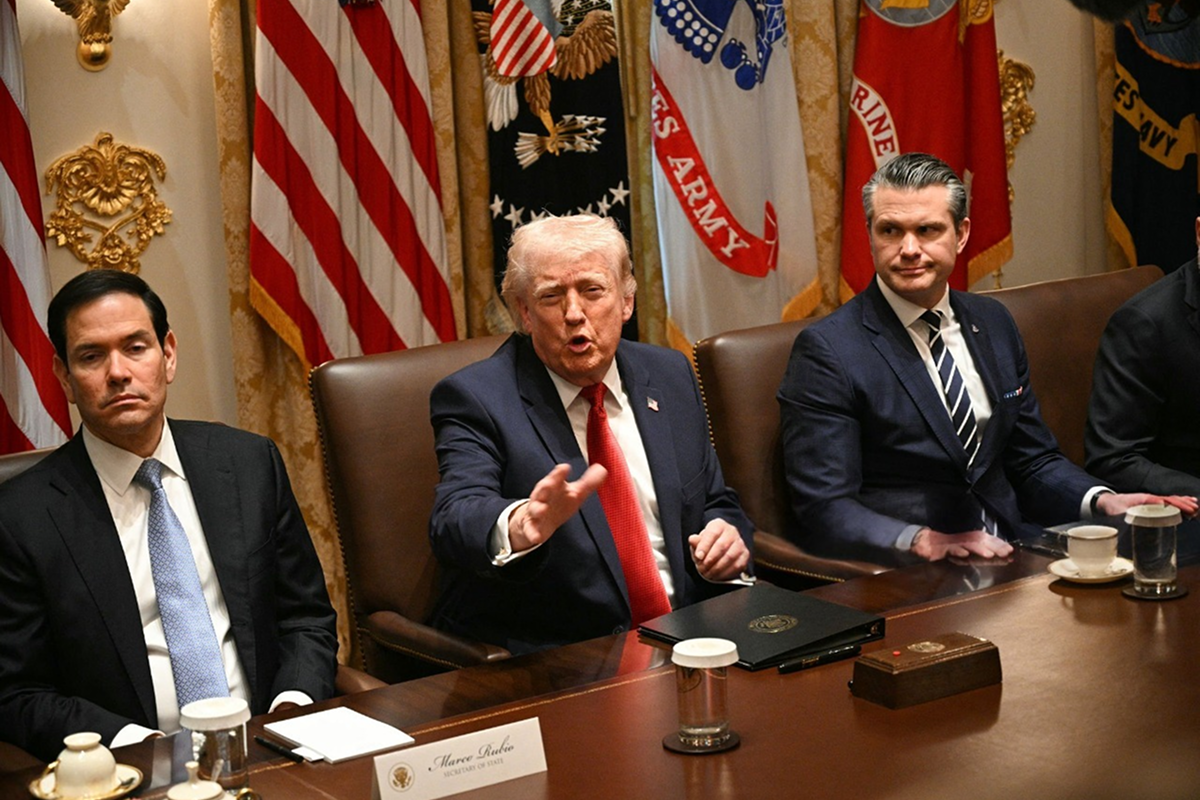
The extension of the Iran ceasefire by U.S. President Donald Trump, alongside the continuation of economic blockade measures, comes at a delicate moment for global geopolitics and energy markets. The move follows stalled diplomatic talks that have failed to produce a durable agreement, leaving investors and policymakers navigating an uncertain strategic landscape. For global markets, including those in Israel with exposure to energy pricing and regional risk dynamics, the development reinforces the persistent link between geopolitical stability and macroeconomic conditions.
Ceasefire Extension Maintains Strategic Pressure
The decision to extend the ceasefire while maintaining restrictions on Iran reflects an approach aimed at containing escalation without fully restoring diplomatic engagement. While a temporary reduction in hostilities has helped limit immediate conflict risk, the continued blockade preserves significant economic pressure on Tehran, particularly in energy exports and international financial access.
This dual-track strategy—de-escalation without normalization—has become a recurring feature of recent U.S. policy in the region. It seeks to prevent outright conflict while maintaining leverage in negotiations. However, the absence of a structured agreement leaves limited visibility on long-term outcomes, increasing sensitivity to sudden policy shifts or regional incidents.
Diplomatic Talks Stall Amid Structural Disagreements
Recent rounds of discussions between U.S. and Iranian representatives have reportedly failed to achieve meaningful progress, with core disagreements persisting over sanctions relief, nuclear oversight, and regional security arrangements. The breakdown in momentum has reinforced expectations that any resolution will require extended negotiation timelines.
From a geopolitical perspective, the lack of advancement increases the probability of prolonged economic containment measures. This environment tends to reinforce volatility in energy markets, particularly given Iran’s role as a key crude oil producer with the capacity to influence global supply balances if restrictions are eased or tightened.
For oil-importing economies, including major Asian and European markets, stalled diplomacy translates into continued uncertainty over medium-term supply conditions and pricing stability.
Market Sensitivity and Energy Price Implications
Financial markets have historically reacted strongly to developments involving Iran due to its strategic position in global energy logistics. Even without immediate supply disruptions, the perception of geopolitical risk can lead to fluctuations in crude oil pricing, shipping insurance costs, and broader commodity market sentiment.
Equity markets, particularly in energy-intensive sectors such as transportation and manufacturing, may also experience indirect pressure as input cost expectations shift. Currency markets in oil-importing nations often reflect these dynamics, with volatility increasing during periods of heightened geopolitical uncertainty.
For investors in Israel and other globally integrated markets, the situation highlights the importance of geopolitical risk as a persistent macroeconomic variable influencing inflation expectations and risk asset performance.
Outlook: Prolonged Uncertainty Shapes Market Expectations
Looking ahead, attention will focus on whether diplomatic channels can regain momentum or whether the current framework evolves into a longer-term containment structure. Any escalation in regional tensions or changes in enforcement intensity could rapidly alter market sentiment, particularly in energy and currency markets.
At the same time, continued ceasefire conditions may help limit immediate downside risks, providing a temporary buffer for global markets. However, without substantive progress in negotiations, uncertainty is likely to remain a defining feature of the geopolitical landscape.
For global investors, the balance between contained conflict risk and unresolved diplomatic deadlock will continue to shape pricing dynamics across energy, commodities, and broader macro-sensitive asset classes.
Comparison, examination, and analysis between investment houses
Leave your details, and an expert from our team will get back to you as soon as possible
* This article, in whole or in part, does not contain any promise of investment returns, nor does it constitute professional advice to make investments in any particular field.
To read more about the full disclaimer, click here
- Lior mor
- •
- 6 Min Read
- •
- ago 12 hours
SKN | Trump Signals Pressure on Rate Cuts: What It Means for Markets and Monetary Policy
Former US President Donald Trump has indicated he would be disappointed if Kevin Warsh does not move quickly to
- ago 12 hours
- •
- 6 Min Read

Former US President Donald Trump has indicated he would be disappointed if Kevin Warsh does not move quickly to

- omer bar
- •
- 7 Min Read
- •
- ago 2 days
SKN | Does the U.S. Seizure of an Iranian Vessel Signal Escalation and Threaten Fragile Peace Talks?
The reported seizure of an Iranian-linked vessel by the United States during an enforcement operation has added a new layer
- ago 2 days
- •
- 7 Min Read

The reported seizure of an Iranian-linked vessel by the United States during an enforcement operation has added a new layer

- Ronny Mor
- •
- 6 Min Read
- •
- ago 3 days
SKN | Psychedelics Policy Shift: Trump Order Signals New Direction for FDA Regulation and Biotech Markets
A new executive order signed by Donald Trump aimed at easing restrictions on psychedelic substances has introduced a significant
- ago 3 days
- •
- 6 Min Read
A new executive order signed by Donald Trump aimed at easing restrictions on psychedelic substances has introduced a significant

- sagi habasov
- •
- 7 Min Read
- •
- ago 3 days
SKN | Geopolitical Shift: Iran Conflict Tests US Alliances as China Expands Strategic Influence
The ongoing tensions linked to the Iran conflict are reverberating across global markets and diplomatic networks, creating uncertainty among
- ago 3 days
- •
- 7 Min Read
The ongoing tensions linked to the Iran conflict are reverberating across global markets and diplomatic networks, creating uncertainty among


