





- Ronny Mor
- •
- 7 Min Read
- •
- 4 months ago


Key Points
- Asia’s largest oil importers remain heavily dependent on the Strait of Hormuz, with limited viable alternative routes
- Infrastructure constraints and geopolitical risks complicate diversification efforts across supply chains
- Investors are assessing potential disruptions as a key factor influencing oil prices and regional energy security

Global energy markets are increasingly focused on supply chain vulnerabilities as Asia’s largest oil-importing economies face limited alternatives to the Strait of Hormuz. The chokepoint remains a critical artery for crude flows from the Middle East, raising concerns about supply resilience in the event of geopolitical disruptions. For global investors, including those in Israel monitoring energy exposure and trade flows, the issue underscores the structural fragility embedded in global oil logistics.
Strategic Dependence on the Strait of Hormuz
A significant share of global oil exports—estimated at roughly 20% of daily consumption—passes through the Strait of Hormuz, making it one of the most strategically important transit routes in the world. Major Asian economies such as China, India, Japan, and South Korea rely heavily on crude shipments from Gulf producers, with limited short-term flexibility to reroute supplies.
Despite ongoing efforts to diversify energy sources, geographic realities continue to anchor dependence on Middle Eastern exports. Alternative routes, including pipelines that bypass the Strait, remain insufficient in capacity to fully offset potential disruptions. This leaves Asian importers exposed to sudden supply shocks, particularly during periods of heightened geopolitical tension in the region.
Infrastructure Constraints Limit Diversification Efforts
Efforts to reduce reliance on Hormuz have included investments in pipeline infrastructure, strategic petroleum reserves, and diversification of supplier countries. However, these measures have structural limitations. Existing pipeline networks, such as those running through Saudi Arabia or the United Arab Emirates, can only transport a fraction of total export volumes.
In addition, sourcing crude from alternative regions such as the United States, West Africa, or Latin America introduces higher transportation costs and longer delivery times. These logistical challenges can erode margins for refiners and increase price sensitivity across Asian markets.
For energy-intensive economies, the lack of scalable alternatives reinforces the importance of maritime security and stable diplomatic relations in the Gulf region. This dynamic also complicates long-term energy transition strategies, as fossil fuel dependence remains deeply embedded in industrial supply chains.
Market Implications and Pricing Sensitivity
The concentration of supply routes amplifies oil market sensitivity to geopolitical developments. Even the perception of risk in the Strait of Hormuz can trigger price volatility, as traders price in potential disruptions. This dynamic has been evident in past periods of tension, where risk premiums quickly translated into higher crude benchmarks.
For financial markets, the implications extend beyond oil prices. Elevated energy costs can influence inflation trajectories, central bank policy expectations, and currency movements, particularly in energy-importing economies. Asian currencies and equity markets often react to shifts in oil price expectations, reflecting the broader macroeconomic impact of energy supply uncertainty.
Israeli investors tracking global commodities and macro trends may also see indirect effects through inflation-linked assets, transportation costs, and global trade dynamics.
Outlook: Supply Security and Geopolitical Risk in Focus
Looking ahead, the resilience of global oil supply chains will depend on a combination of infrastructure investment, diplomatic stability, and demand evolution. While long-term energy transition efforts may gradually reduce reliance on crude imports, near-term dependence on the Strait of Hormuz is unlikely to diminish significantly.
Market participants will closely monitor geopolitical developments in the Gulf, capacity expansion in alternative transport routes, and strategic reserve policies among major importers. Any escalation in regional tensions could rapidly shift market sentiment and pricing dynamics.
At the same time, opportunities may emerge in energy infrastructure development, diversification strategies, and alternative supply partnerships. For investors, the balance between structural dependence and evolving mitigation efforts will remain a central theme shaping oil markets and broader macroeconomic conditions in the coming years.
Comparison, examination, and analysis between investment houses
Leave your details, and an expert from our team will get back to you as soon as possible
* This article, in whole or in part, does not contain any promise of investment returns, nor does it constitute professional advice to make investments in any particular field.
To read more about the full disclaimer, click here
- Lior mor
- •
- 6 Min Read
- •
- ago 9 hours
SKN | Shell Expands U.S. Retail Strategy With Full Takeover of Tri Star Energy
Shell is moving to take full control of Tri Star Energy as the British energy major expands its U.S. fuel
- ago 9 hours
- •
- 6 Min Read

Shell is moving to take full control of Tri Star Energy as the British energy major expands its U.S. fuel

- sagi habasov
- •
- 7 Min Read
- •
- ago 11 hours
SKN | Trump Escalates Pressure on US Refiners as Gasoline Prices Stay Above $4 a Gallon
President Donald Trump is intensifying pressure on US oil refiners to increase domestic fuel production and help lower gasoline and
- ago 11 hours
- •
- 7 Min Read
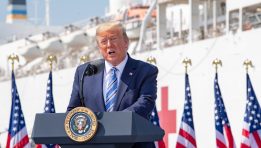
President Donald Trump is intensifying pressure on US oil refiners to increase domestic fuel production and help lower gasoline and

- Ronny Mor
- •
- 6 Min Read
- •
- ago 11 hours
SKN | Oil Prices Rise Nearly 1% as Fresh US-Iran Strikes Renew Supply Disruption Fears
Oil prices extended their sharp rally on Wednesday as renewed military strikes between the United States and Iran increased concerns
- ago 11 hours
- •
- 6 Min Read

Oil prices extended their sharp rally on Wednesday as renewed military strikes between the United States and Iran increased concerns
- Ronny Mor
- •
- 6 Min Read
- •
- ago 16 hours
SKN | Could Oil Prices Break Higher as U.S.-Iran Strikes Intensify the Hormuz Supply Risk?
Oil prices jumped sharply Tuesday as renewed U.S.-Iran military escalation in the Strait of Hormuz heightened concerns about global energy
- ago 16 hours
- •
- 6 Min Read

Oil prices jumped sharply Tuesday as renewed U.S.-Iran military escalation in the Strait of Hormuz heightened concerns about global energy

