


- omer bar
- •
- 7 Min Read
- •
- 1 minute ago
Key Points
- Crude oil prices decline as expectations grow that U.S.–Iran negotiations may resume, potentially unlocking additional supply
- Markets are pricing in a reduced geopolitical risk premium as diplomatic channels appear to reopen
- Energy traders are reassessing supply-demand dynamics, with implications for inflation and global growth expectations
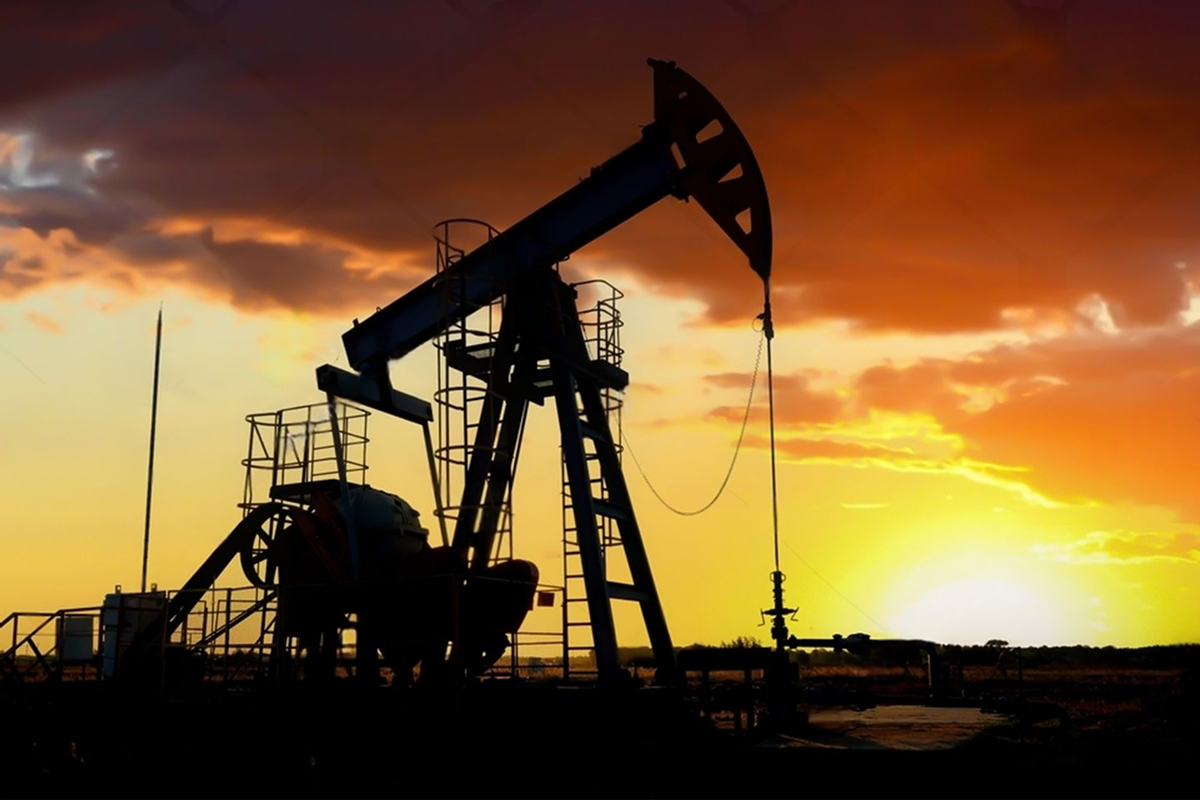
Global oil markets are moving lower as expectations build that the United States and Iran may proceed with renewed diplomatic talks, raising the possibility of increased Iranian crude supply returning to international markets. The shift comes at a time when energy markets are already balancing slowing demand signals with evolving geopolitical risks, making supply-side developments particularly influential for price direction.
Diplomatic Signals Weigh on Oil Risk Premium
Oil prices have come under pressure as traders respond to indications that U.S.–Iran negotiations could advance, potentially easing sanctions and allowing more Iranian oil exports to re-enter global supply chains. Even without a finalized agreement, the mere prospect of additional barrels has been sufficient to reduce the geopolitical risk premium that had previously supported prices.
Historically, oil markets have been highly sensitive to developments involving Iran, given its significant production capacity and strategic position within OPEC. A partial easing of restrictions could bring hundreds of thousands of barrels per day back into the market over time, depending on the structure and enforcement of any agreement.
This recalibration of risk reflects how quickly sentiment can shift in energy markets, where forward expectations often drive pricing more than immediate physical changes in supply.
Supply Expectations Clash With Demand Uncertainty
The potential for increased Iranian supply arrives at a complex moment for global demand dynamics. While consumption remains relatively stable in major economies, there are emerging concerns about slowing industrial activity and softer growth in key regions, including parts of Europe and Asia.
As a result, the addition of new supply could tilt the balance toward a more comfortably supplied market, particularly if demand growth fails to accelerate. This dynamic is already being reflected in futures pricing, where downward pressure suggests that traders are adjusting expectations for tighter market conditions in the near term.
For Israel and other energy-importing economies, lower oil prices can provide short-term relief through reduced input costs and moderated inflation pressures. However, the broader macro impact depends on whether price declines are driven by supply expansion or weakening global demand.
Market Positioning and Cross-Asset Implications
The decline in oil prices is also influencing broader market positioning across commodities, currencies, and equities. Energy-linked equities may face short-term pressure as revenue expectations adjust to lower price assumptions, while sectors sensitive to input costs, such as transportation and manufacturing, could benefit.
Currency markets may also respond, particularly for oil-exporting economies where weaker crude prices can weigh on fiscal balances and exchange rates. At the same time, lower energy prices tend to ease inflation expectations, potentially influencing central bank policy trajectories in major economies.
For global investors, including those in Israel, the interplay between energy prices, inflation dynamics, and interest rate expectations remains a key factor in portfolio allocation decisions.
Outlook: Negotiation Progress and Supply Clarity in Focus
Looking ahead, oil market direction will depend heavily on the trajectory of U.S.–Iran negotiations and the credibility of any potential agreement. Market participants will be closely monitoring official statements, sanction frameworks, and export data for signs of tangible supply increases.
Risks remain on both sides of the equation. A breakdown in talks or renewed geopolitical tensions could quickly restore the risk premium and push prices higher. Conversely, a clear pathway for increased Iranian exports could reinforce downward pressure, particularly if global demand remains moderate.
Investors will also track inventory levels, OPEC policy responses, and macroeconomic indicators to assess whether the market is moving toward surplus conditions or maintaining a tighter balance. In the near term, oil prices are likely to remain highly sensitive to geopolitical headlines and evolving expectations around global supply dynamics.
Comparison, examination, and analysis between investment houses
Leave your details, and an expert from our team will get back to you as soon as possible
* This article, in whole or in part, does not contain any promise of investment returns, nor does it constitute professional advice to make investments in any particular field.
To read more about the full disclaimer, click here
- sagi habasov
- •
- 6 Min Read
- •
- ago 13 hours
SKN | Strait of Hormuz Disruption Fears Rise After US Seizure of Iranian Vessel
The Strait of Hormuz, a vital artery for global energy trade, has come under renewed focus following reports of
- ago 13 hours
- •
- 6 Min Read
The Strait of Hormuz, a vital artery for global energy trade, has come under renewed focus following reports of
- sagi habasov
- •
- 7 Min Read
- •
- ago 21 hours
SKN | Oil and Gas Markets Surge After U.S. Seizure of Iranian Vessel Raises Supply and Diplomatic Risks
Global energy markets moved higher following reports that the United States seized an Iranian-linked vessel during an enforcement operation, an
- ago 21 hours
- •
- 7 Min Read

Global energy markets moved higher following reports that the United States seized an Iranian-linked vessel during an enforcement operation, an

- Lior mor
- •
- 8 Min Read
- •
- ago 24 hours
SKN | Why Is Gold Falling as Hormuz Tensions Rise and Inflation Risks Re-Emerge?
Gold prices have come under pressure even as renewed disruption risks around the Strait of Hormuz elevate geopolitical tensions and
- ago 24 hours
- •
- 8 Min Read

Gold prices have come under pressure even as renewed disruption risks around the Strait of Hormuz elevate geopolitical tensions and
- Lior mor
- •
- 6 Min Read
- •
- ago 1 day
SKN | Trump Claims US Seized Iranian Vessel: What It Signals for Oil Markets and Global Risk Sentiment
Former U.S. President Donald Trump stated that the United States had seized an Iranian-linked ship and damaged its engine
- ago 1 day
- •
- 6 Min Read
Former U.S. President Donald Trump stated that the United States had seized an Iranian-linked ship and damaged its engine

