


- Lior mor
- •
- 8 Min Read
- •
- 13 seconds ago
Key Points
- Gold prices are declining despite renewed geopolitical tensions around the Strait of Hormuz
- Rising oil-linked inflation expectations are shifting market focus toward interest rate risks
- Investors are reassessing gold’s role as a hedge in an environment of persistent macro uncertainty
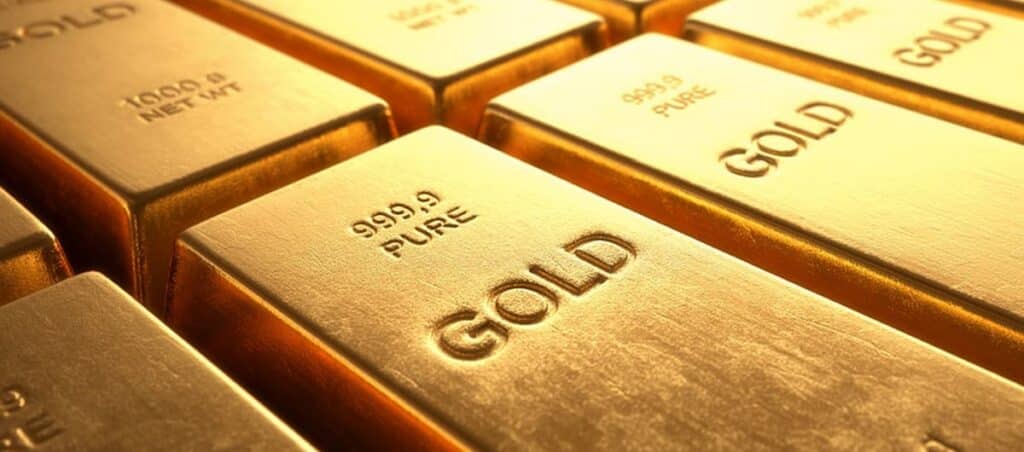
Gold prices have come under pressure even as renewed disruption risks around the Strait of Hormuz elevate geopolitical tensions and inflation concerns. The decline highlights a shifting market dynamic in which rising energy prices and inflation expectations are increasingly influencing interest rate outlooks, often to the detriment of non-yielding assets like gold. For global investors, the move underscores the complex interplay between safe-haven demand and monetary policy expectations.
Geopolitical Risk Meets Monetary Policy Reality
Traditionally, gold benefits from geopolitical instability, as investors seek safe-haven assets during periods of uncertainty. However, the current environment presents a more nuanced scenario. Disruptions in the Strait of Hormuz—a critical chokepoint for global oil supply—have intensified concerns about energy price spikes, which in turn could fuel inflation across major economies.
Higher inflation expectations often lead to a reassessment of central bank policy trajectories. If inflation proves persistent, monetary authorities may be forced to maintain elevated interest rates for longer periods. This dynamic reduces the relative attractiveness of gold, which does not generate yield and tends to underperform in rising real rate environments.
As a result, the traditional inverse relationship between geopolitical risk and gold prices appears to be partially offset by the market’s focus on monetary tightening risks.
Energy Markets Drive Inflation Expectations Higher
The Strait of Hormuz handles a significant share of global oil shipments, making any disruption a key driver of commodity price volatility. Even the perception of supply risk can push crude oil prices higher, feeding into broader inflation expectations across global markets.
Rising energy costs have a cascading effect, impacting transportation, manufacturing, and consumer prices. For central banks, this complicates the inflation outlook and reduces flexibility in policy easing. Investors are increasingly pricing in scenarios where interest rates remain elevated or decline more slowly than previously anticipated.
This shift has direct implications for gold. While inflation is typically supportive for the metal, the associated increase in real yields and tighter financial conditions can outweigh its appeal as an inflation hedge in the short term.
Market Positioning and Cross-Asset Dynamics
Gold’s recent decline also reflects broader positioning across financial markets. Stronger U.S. dollar performance and rising bond yields have added pressure, as both factors tend to move inversely to gold prices. In addition, equity markets in certain regions have shown resilience, reducing immediate demand for defensive assets.
From a portfolio perspective, investors appear to be recalibrating their allocations, balancing geopolitical risk with the opportunity cost of holding non-yielding assets. This is particularly relevant for institutional investors, who often adjust exposure based on relative value across asset classes.
For Israeli investors with exposure to global commodities and currencies, the interplay between energy markets, inflation expectations, and U.S. monetary policy remains a key driver of cross-asset performance. Currency movements, particularly in the shekel-dollar pair, can further influence local gold pricing dynamics.
Outlook: Gold’s Direction Hinges on Rates, Oil, and Risk Sentiment
Looking ahead, gold’s trajectory will depend on the balance between geopolitical risk escalation and the evolution of interest rate expectations. Sustained disruptions in the Strait of Hormuz could reinforce inflationary pressures, but the impact on gold will largely be mediated through bond yields and central bank responses.
Key factors to monitor include oil price trends, inflation data releases, and signals from major central banks regarding policy direction. A scenario of easing inflation combined with stable or declining yields could restore support for gold, while persistent inflation and higher real rates may continue to weigh on prices.
At the same time, any escalation in geopolitical tensions beyond energy markets could reintroduce stronger safe-haven demand. Investors are likely to remain highly sensitive to both macroeconomic data and geopolitical developments as they navigate an increasingly complex global risk environment.
Comparison, examination, and analysis between investment houses
Leave your details, and an expert from our team will get back to you as soon as possible
* This article, in whole or in part, does not contain any promise of investment returns, nor does it constitute professional advice to make investments in any particular field.
To read more about the full disclaimer, click here
- Lior mor
- •
- 6 Min Read
- •
- ago 3 hours
SKN | Trump Claims US Seized Iranian Vessel: What It Signals for Oil Markets and Global Risk Sentiment
Former U.S. President Donald Trump stated that the United States had seized an Iranian-linked ship and damaged its engine
- ago 3 hours
- •
- 6 Min Read
Former U.S. President Donald Trump stated that the United States had seized an Iranian-linked ship and damaged its engine
- Lior mor
- •
- 6 Min Read
- •
- ago 2 days
SKN | Why Is Gold Rising Even as Oil Prices Collapse on Hormuz Reopening?
Gold prices moved higher on Friday, extending their gains even as oil markets experienced a sharp selloff following Iran’s announcement
- ago 2 days
- •
- 6 Min Read

Gold prices moved higher on Friday, extending their gains even as oil markets experienced a sharp selloff following Iran’s announcement

- omer bar
- •
- 7 Min Read
- •
- ago 2 days
SKN | Why Did Oil Prices Suddenly Plunge Despite Ongoing U.S.-Iran Tensions?
Oil markets experienced a dramatic reversal as crude prices plunged following signals that the Strait of Hormuz may be open
- ago 2 days
- •
- 7 Min Read

Oil markets experienced a dramatic reversal as crude prices plunged following signals that the Strait of Hormuz may be open

- sagi habasov
- •
- 6 Min Read
- •
- ago 3 days
SKN | Gold Extends Rally on US-Iran Truce Hopes—Safe Haven or Shifting Narrative?
Gold prices are on track for a fourth straight weekly advance, as investors respond to growing optimism surrounding a
- ago 3 days
- •
- 6 Min Read
Gold prices are on track for a fourth straight weekly advance, as investors respond to growing optimism surrounding a

