


- omer bar
- •
- 7 Min Read
- •
- 10 minutes ago
Key Points
- Goldman Sachs maintains 2026 oil forecasts despite shifting supply and demand dynamics
- Weak demand in emerging markets is emerging as a key downside risk for prices
- Geopolitical risks remain but may fade if supply flows normalize quickly
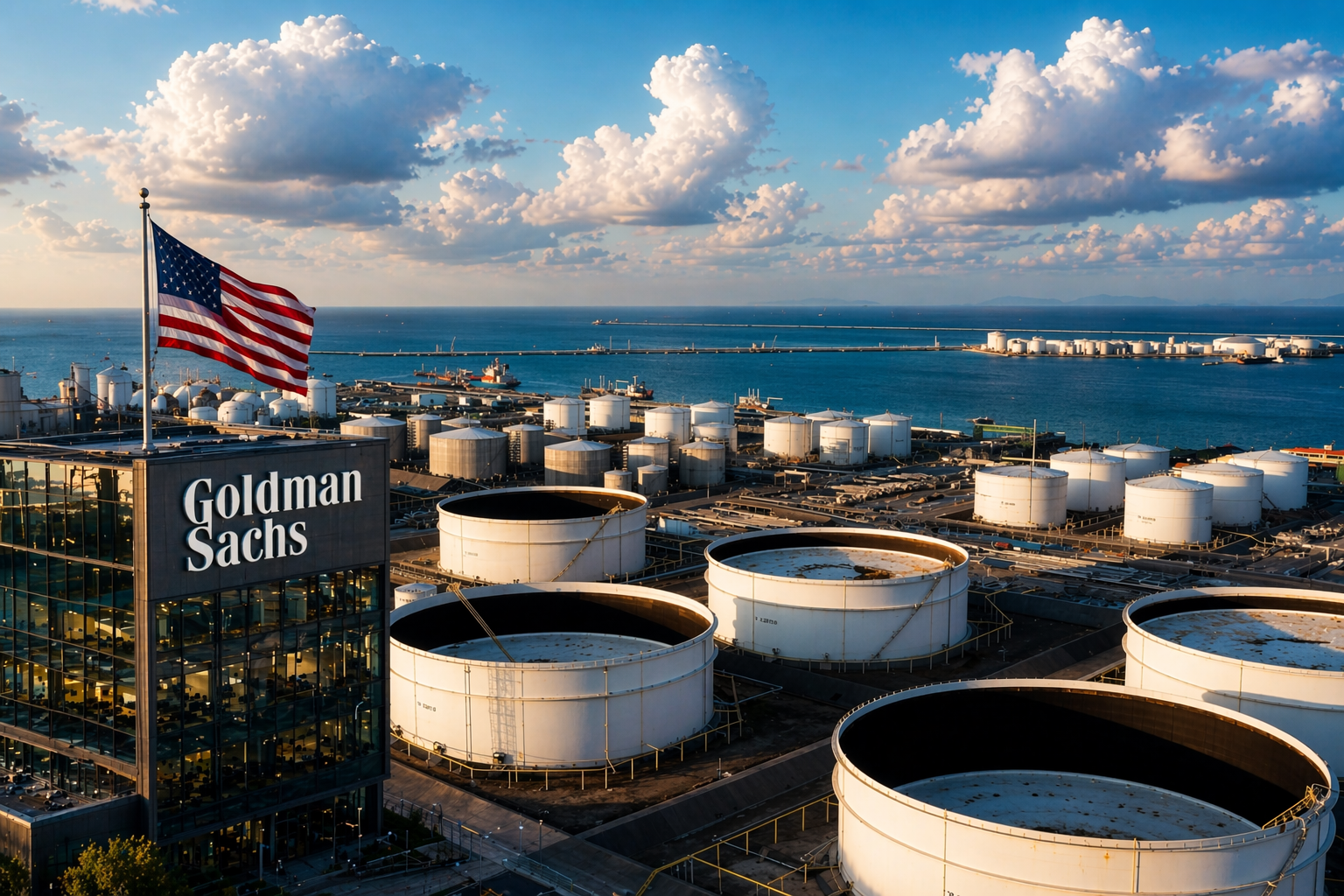
Oil markets are entering a more balanced phase as easing geopolitical tensions begin to intersect with signs of weakening demand, creating a two-sided outlook for 2026. According to Goldman Sachs, the interplay between softer consumption trends and improving supply conditions is likely to define price direction in the coming year, even as uncertainty surrounding the Middle East remains elevated.
Stable Forecasts Mask Shifting Market Dynamics
Goldman Sachs has maintained its 2026 average price forecasts, projecting Brent crude at 83 dollars per barrel and West Texas Intermediate at 78 dollars. These estimates are based on the assumption that flows through the Strait of Hormuz will gradually normalize by mid May, restoring a key artery for global energy trade.
While headline forecasts remain unchanged, the underlying dynamics are evolving. Oil prices have already declined by roughly 9 percent following signs of progress toward a potential ceasefire, reflecting how quickly geopolitical risk premiums can unwind. This suggests that current pricing may still include a residual premium tied to uncertainty, which could dissipate further if diplomatic progress continues.
Demand Weakness Emerges as a Key Risk Factor
A notable shift in the outlook is the growing concern around demand softness. Goldman highlighted that global consumption losses in early 2026 may be more pronounced than during previous oil shocks in 2011 and 2022. This trend is particularly evident in emerging markets across Asia and Africa, where demand is more sensitive to higher prices and tighter financial conditions.
Sectors such as petrochemicals and aviation are showing early signs of strain, with elevated refined product prices and margins dampening consumption. This dynamic introduces a structural challenge for oil markets, as sustained high prices can erode demand more quickly than in past cycles, especially in price-sensitive economies.
Supply Recovery Could Accelerate Downside Pressure
On the supply side, risks are increasingly tilted toward faster recovery rather than prolonged disruption. Although flows through the Strait of Hormuz remain constrained, regional storage capacity and lower-than-expected production shut-ins could enable a quicker rebound in exports.
If supply normalizes faster than anticipated, it could amplify downward pressure on prices, particularly in an environment where demand is already weakening. This creates a scenario where even modest improvements in geopolitical conditions could trigger outsized market reactions, as traders reassess the balance between supply and demand.
Geopolitics Still a Wildcard for Market Direction
Despite the growing influence of demand fundamentals, geopolitical developments remain a critical variable. Statements from Donald Trump suggesting potential progress in negotiations, alongside signals from Iran about reopening key shipping routes, have contributed to recent price volatility. However, the absence of a permanent agreement means that risks of renewed disruption cannot be fully discounted.
Markets are therefore navigating a complex environment where both upside and downside risks coexist. On one hand, any escalation could quickly reintroduce supply fears and drive prices higher. On the other, sustained progress toward normalization could remove the remaining risk premium and expose underlying demand weakness.
Outlook Hinges on Demand Resilience and Diplomatic Progress
Looking ahead, the trajectory of oil prices in 2026 will depend on whether demand stabilizes and how quickly supply chains recover. The current environment suggests a more balanced market, where prices are less driven by a single dominant factor and more by the interaction of multiple forces.
Investors and policymakers will need to monitor both macroeconomic indicators and geopolitical developments closely. If demand continues to soften while supply improves, the market could face sustained downward pressure. Conversely, any disruption to this fragile balance could quickly shift sentiment, reinforcing the importance of flexibility in navigating the evolving energy landscape.
Comparison, examination, and analysis between investment houses
Leave your details, and an expert from our team will get back to you as soon as possible
* This article, in whole or in part, does not contain any promise of investment returns, nor does it constitute professional advice to make investments in any particular field.
To read more about the full disclaimer, click here
- Lior mor
- •
- 6 Min Read
- •
- ago 20 minutes
SKN | NuScale Power Surges Over 40%: Breakthrough Momentum or Speculative Spike?
NuScale Power Corporation (SMR) rallied more than 40 percent over the past week, reflecting a surge in investor interest
- ago 20 minutes
- •
- 6 Min Read

NuScale Power Corporation (SMR) rallied more than 40 percent over the past week, reflecting a surge in investor interest
- Lior mor
- •
- 7 Min Read
- •
- ago 12 hours
SKN | Can the U.S. Replace India’s Energy Supplies—or Will It Strain New Delhi’s Economy?
The United States is intensifying efforts to secure a larger share of India’s energy market at a time when global
- ago 12 hours
- •
- 7 Min Read

The United States is intensifying efforts to secure a larger share of India’s energy market at a time when global

- omer bar
- •
- 7 Min Read
- •
- ago 15 hours
SKN | Are Falling TTF Gas Prices Signaling Relief or Just a Temporary Pause in Energy Volatility?
European natural gas markets showed renewed signs of easing, with TTF futures falling to around €42.2 per MMBtu as traders
- ago 15 hours
- •
- 7 Min Read
European natural gas markets showed renewed signs of easing, with TTF futures falling to around €42.2 per MMBtu as traders

- Arik Arkadi Sluzki
- •
- 7 Min Read
- •
- ago 1 day
SKN | Europe Faces Jet Fuel Shortage—What It Means for Airlines, Oil Markets, and Inflation
Europe is facing a growing jet fuel shortage, adding pressure to an already complex energy landscape shaped by supply
- ago 1 day
- •
- 7 Min Read

Europe is facing a growing jet fuel shortage, adding pressure to an already complex energy landscape shaped by supply

