


- omer bar
- •
- 7 Min Read
- •
- 6 seconds ago
Key Points
- European natural gas prices declined as optimism around a potential Middle East peace deal eased supply concerns.
- Weaker Asian demand, particularly from China, is reducing competition for global LNG cargoes.
- Ongoing geopolitical risks and supply constraints suggest volatility may persist despite recent declines.

European natural gas markets showed renewed signs of easing, with TTF futures falling to around €42.2 per MMBtu as traders reassessed geopolitical risks and global demand conditions. The recent decline reflects growing optimism that tensions in the Middle East may de-escalate, potentially reducing disruptions to key energy supply routes. However, the broader market environment remains fragile, with multiple competing factors influencing price direction.
Geopolitical Developments Drive Market Sentiment
A key catalyst for the latest price movement has been increasing confidence in diplomatic progress between the United States and Iran. Comments from Donald Trump suggesting that a new round of negotiations could take place soon have supported expectations for a broader resolution. The implementation of a temporary ceasefire between Israel and Lebanon has further reinforced this narrative, contributing to a reduction in immediate supply risk premiums.
Despite this optimism, structural geopolitical risks remain unresolved. Control over the Strait of Hormuz continues to be a critical point of contention, with the waterway accounting for roughly one-fifth of global liquefied natural gas flows. The ongoing U.S. blockade of Iranian ports adds another layer of uncertainty, limiting the extent to which markets can fully price in a sustained de-escalation.
Demand Weakness Adds Downward Pressure
In addition to easing geopolitical concerns, softer demand dynamics have played a significant role in pushing prices lower. Asian buyers, particularly China, have reduced LNG purchases, easing competition for available cargoes. This shift has allowed European buyers to secure supply more easily, contributing to the recent price decline.
Demand fluctuations in Asia are especially impactful given the region’s dominant role in global LNG consumption. When Asian demand weakens, it effectively loosens the global market, increasing supply availability for Europe and dampening price pressures. This dynamic highlights how interconnected global energy markets have become, with regional demand shifts quickly influencing pricing across continents.
Supply Constraints Still Loom in the Background
While prices have retreated, supply-side challenges remain a critical factor in the medium-term outlook. Analysts note that the world’s largest LNG facility in Qatar is unlikely to return to full operational capacity until at least August, even if restart efforts begin in the coming months. This delay limits the availability of additional supply that could otherwise stabilize the market.
Moreover, broader supply risks tied to geopolitical instability and infrastructure disruptions continue to underpin a level of structural tightness. Even with reduced demand in the short term, the market remains sensitive to any unexpected supply shocks, particularly in key transit routes such as the Strait of Hormuz.
Outlook Remains Highly Dependent on Global Developments
Looking ahead, the trajectory of TTF gas prices will largely depend on the balance between geopolitical progress and global demand trends. A sustained resolution to Middle East tensions could further reduce risk premiums and keep prices under pressure. Conversely, any escalation or disruption to critical supply routes could quickly reverse recent declines.
At the same time, seasonal demand patterns and the pace of economic recovery in major consuming regions will play a decisive role. As markets navigate these uncertainties, European natural gas prices are likely to remain volatile, reflecting the ongoing interplay between supply risks, demand shifts, and geopolitical developments.
Comparison, examination, and analysis between investment houses
Leave your details, and an expert from our team will get back to you as soon as possible
* This article, in whole or in part, does not contain any promise of investment returns, nor does it constitute professional advice to make investments in any particular field.
To read more about the full disclaimer, click here
- Arik Arkadi Sluzki
- •
- 7 Min Read
- •
- ago 14 hours
SKN | Europe Faces Jet Fuel Shortage—What It Means for Airlines, Oil Markets, and Inflation
Europe is facing a growing jet fuel shortage, adding pressure to an already complex energy landscape shaped by supply
- ago 14 hours
- •
- 7 Min Read

Europe is facing a growing jet fuel shortage, adding pressure to an already complex energy landscape shaped by supply

- orshu
- •
- 7 Min Read
- •
- ago 1 day
SKN | US-Canada Pipeline Permits Signal Energy Shift—What It Means for Oil Markets and Equities
The issuance of several pipeline permits for US-Canada oil transportation marks a significant development in North American energy policy, signaling
- ago 1 day
- •
- 7 Min Read
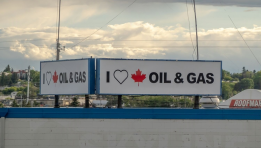
The issuance of several pipeline permits for US-Canada oil transportation marks a significant development in North American energy policy, signaling

- sagi habasov
- •
- 7 Min Read
- •
- ago 4 days
SKN | Is Oil Entering a New Supply Shock Cycle as the U.S. Blockade of Iran Escalates Risks?
Oil prices moved sharply higher as the United States initiated a naval blockade targeting vessels transiting to and from Iranian
- ago 4 days
- •
- 7 Min Read

Oil prices moved sharply higher as the United States initiated a naval blockade targeting vessels transiting to and from Iranian

- Ronny Mor
- •
- 7 Min Read
- •
- ago 5 days
SKN | Is Oil’s Pullback a Sign of Stabilization or Just a Pause in a Geopolitical-Driven Rally?
Crude oil prices edged lower on Friday, with West Texas Intermediate (WTI) trading near $95.5 per barrel as investors weighed
- ago 5 days
- •
- 7 Min Read

Crude oil prices edged lower on Friday, with West Texas Intermediate (WTI) trading near $95.5 per barrel as investors weighed


