





- Lior mor
- •
- 6 Min Read
- •
- 2 months ago
Key Points
- Smart risk management doesn't start with exiting the market — it starts with building a framework that defines the boundaries upfront.
- Structured products allow you to stay invested even during periods of uncertainty, with a clear understanding of the worst-case scenario.
- Protecting capital isn't the opposite of growth — it's the condition that makes sustainable growth possible.
There’s a meaningful difference between an investor who profits because they guessed correctly — and one who profits because they built a framework that works even when the guess turns out to be wrong. The first relies on luck. The second relies on structure.
Smart risk management isn’t measured by how much you earned in a good year. It’s measured by how much you preserved in a bad one — and how you moved from that bad year into the next without making decisions that damage the portfolio for years to come. That’s the distinction that separates good investment outcomes from great ones across a full decade.
What Most Investment Tools Don’t Offer
The problem with most traditional investment vehicles is that their risk is open-ended. You know how much you can potentially make — but you never quite know how much you can lose. The question “what’s the worst that can happen?” remains unanswered, and most investors discover the answer at precisely the moment they’re least equipped to handle it.
Structured products operate on an entirely different logic. Before a single dollar is invested, you know exactly what the loss boundary looks like. Not approximately. Not “it depends on the market.” Exactly. That’s not just financial protection — it’s psychological protection too. When markets become volatile, you’re not making decisions driven by fear. You know exactly where you stand.
The Risk Nobody Talks About
The biggest risk in investing isn’t a market downturn — those happen to everyone. The biggest risk is what you do during a market downturn. Research on investor behavior shows repeatedly that the greatest damage isn’t caused by the market itself, but by decisions made under pressure, panic, or uncertainty about what comes next.
When you have a clear framework — defined boundaries, transparent conditions, and full visibility into every scenario — that psychological pressure diminishes significantly. And with it, so do the costly mistakes.
Building Well Means Designing Risk, Not Avoiding It
An investor who truly understands risk management doesn’t ask “how do I stay out of the market?” — they ask “how do I participate in the market on terms that work for me?” That’s the difference between passive protection and active strategy. Structured products are one of the few tools that allow you to do exactly that — to define your risk-return profile in advance and enter the market with your eyes fully open.
This isn’t the right approach for everyone. But for those who understand that long-term success is built on consistency rather than speculation — it’s worth knowing.
If this approach resonates with you and you’d like to understand how it could fit into your portfolio — leave your details and we’ll be in touch.
Comparison, examination, and analysis between investment houses
Leave your details, and an expert from our team will get back to you as soon as possible
* This article, in whole or in part, does not contain any promise of investment returns, nor does it constitute professional advice to make investments in any particular field.
To read more about the full disclaimer, click here
- omer bar
- •
- 9 Min Read
- •
- ago 5 hours
SKN | The Secular Tortoise Framework: Why Ken Fisher’s AI Thesis Dampens Wall Street’s Speculative Noise
Systemic realignments across global corporate operations and localized capital allocation tracks are processing high volumes of behavioral noise and psychological
- ago 5 hours
- •
- 9 Min Read
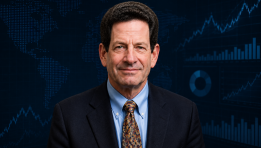
Systemic realignments across global corporate operations and localized capital allocation tracks are processing high volumes of behavioral noise and psychological

- sagi habasov
- •
- 6 Min Read
- •
- ago 3 months
SKN | 6 Questions Smart Investors Ask Before Moving Capital Abroad
The Wrong Way to Think About “Moving Money” Most people think moving capital abroad is about opportunity. Better returns. Better
- ago 3 months
- •
- 6 Min Read

The Wrong Way to Think About “Moving Money” Most people think moving capital abroad is about opportunity. Better returns. Better
- Ronny Mor
- •
- 6 Min Read
- •
- ago 3 months
SKN | 5 Wealth Moves People Make Right After Crossing $1 Million — And What They Get Wrong
The Moment Everything Shifts Crossing the $1 million mark feels like an arrival point. In reality, it’s a transition. Until
- ago 3 months
- •
- 6 Min Read
The Moment Everything Shifts Crossing the $1 million mark feels like an arrival point. In reality, it’s a transition. Until
- sagi habasov
- •
- 4 Min Read
- •
- ago 5 months
SKN | JPMorgan: Bitcoin Now More Attractive Than Gold Long Term
Investment bank JPMorgan suggests a significant shift in Bitcoin's status as a long-term investment asset compared to gold. According to
- ago 5 months
- •
- 4 Min Read
Investment bank JPMorgan suggests a significant shift in Bitcoin's status as a long-term investment asset compared to gold. According to


