


- Ronny Mor
- •
- 7 Min Read
- •
- 19 seconds ago
Key Points
- Nvidia projects up to $1 trillion in combined sales from its next-gen chips, reinforcing AI dominance.
- However, rising internal competition and easing supply constraints could pressure margins.
- The market is now shifting focus from growth to sustainability of profitability.
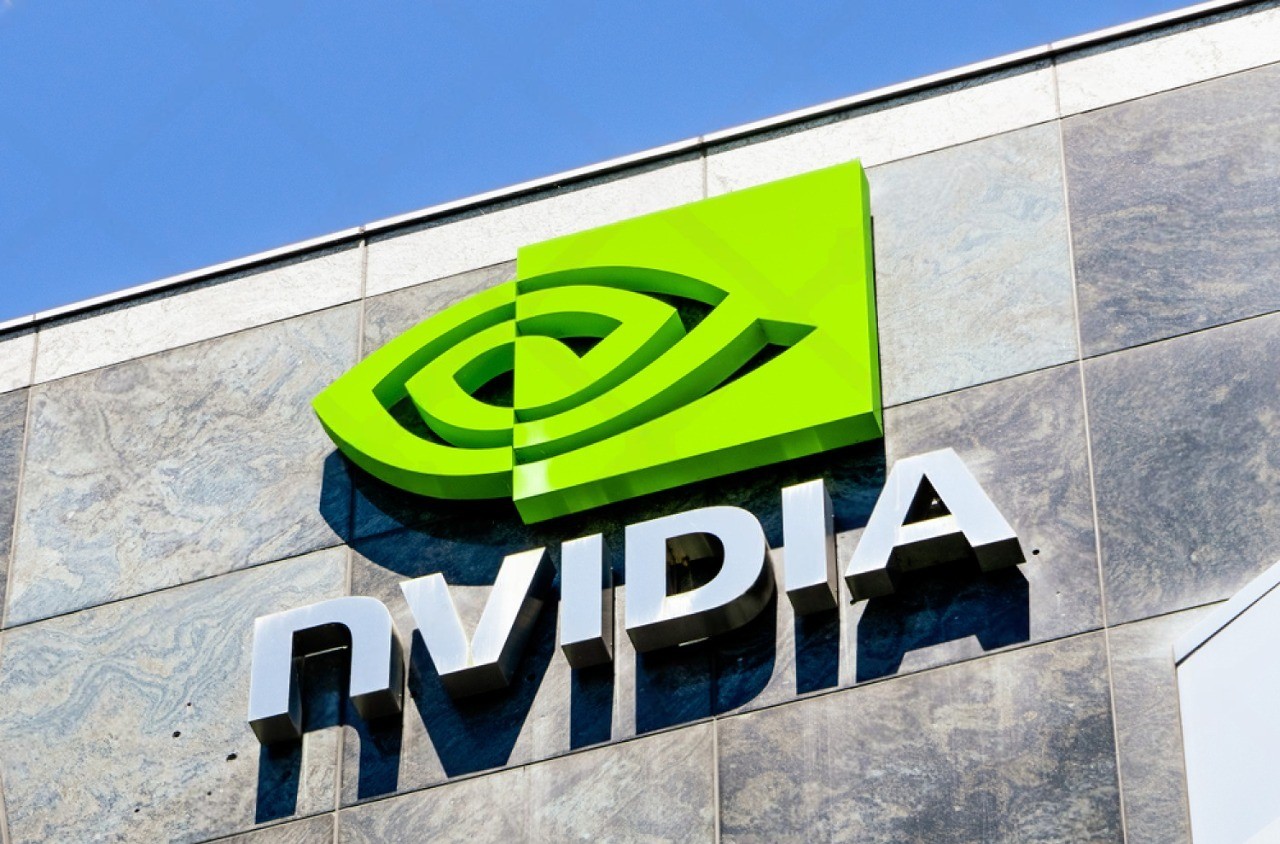
Nvidia has once again captured market attention after CEO Jensen Huang projected that its next-generation Blackwell and Vera Rubin chips could generate up to $1 trillion in combined sales through 2027. The forecast underscores the sheer scale of demand for AI infrastructure—but it also raises a deeper question: is revenue growth masking emerging risks to profitability?
Trillion-Dollar Forecast Reinforces AI Leadership
Huang’s projection highlights Nvidia’s dominant position in the AI hardware ecosystem. Blackwell, already being deployed across hyperscale data centers, and the upcoming Vera Rubin architecture are expected to anchor the next wave of AI compute.
A $1 trillion revenue opportunity over a multi-year period reflects not just strong demand, but near-total reliance by enterprises on Nvidia’s GPU ecosystem. This dominance is reinforced by its CUDA software platform, which has created a powerful lock-in effect for developers building and training AI models.
In this sense, Nvidia is not merely selling chips—it is providing the foundational infrastructure for the AI economy.
Demand Strength Masks a Shifting Supply Dynamic
While demand remains exceptionally strong, the supply side of the equation is beginning to change. Historically, Nvidia has benefited from constrained GPU supply, which has supported premium pricing and elevated gross margins.
However, increasing production capacity—particularly from Taiwan Semiconductor Manufacturing Company—is expected to ease these constraints over time. As supply catches up with demand, the scarcity premium that has underpinned Nvidia’s pricing power may begin to fade.
This shift introduces a critical inflection point. Even if revenue continues to grow, the profitability profile of that growth could change.
Internal Competition Emerges as a Key Risk
Perhaps the most significant challenge facing Nvidia is not external rivals, but its own customers. Major cloud providers and hyperscalers are increasingly developing in-house AI chips tailored to their specific workloads.
Companies like Amazon and Microsoft are investing heavily in custom silicon, seeking to reduce costs and gain greater control over their infrastructure.
While these internally developed chips may not yet match Nvidia’s performance, they offer meaningful advantages in cost and availability. Over time, this could reduce reliance on Nvidia hardware and introduce pricing pressure.
This dynamic represents a structural shift in the industry, where Nvidia’s largest customers are also becoming its competitors.
Growth vs. Margins: The Market’s Next Focus
The trillion-dollar forecast highlights Nvidia’s extraordinary growth potential—but investors are increasingly looking beyond top-line expansion.
As supply constraints ease and competition intensifies, gross margins may come under pressure. This does not necessarily undermine the growth story, but it changes how that growth is valued.
Markets may begin to differentiate between revenue growth driven by pricing power and growth driven by volume expansion. The former supports higher multiples, while the latter often leads to compression.
CUDA Ecosystem Remains a Strategic Advantage
Despite these challenges, Nvidia retains a significant competitive moat through its software ecosystem. CUDA remains the industry standard for AI development, creating high switching costs for customers.
This integration of hardware and software provides Nvidia with a durable advantage that may help offset some of the pressures from increased competition and supply normalization.
The question is whether this ecosystem can sustain pricing power in a more competitive environment.
Outlook: A More Nuanced Phase of the AI Cycle
Looking ahead, Nvidia is likely entering a more complex phase of the AI cycle. The initial phase—characterized by explosive demand and constrained supply—is giving way to a more balanced market environment.
Revenue growth may remain strong, but margin dynamics will become increasingly important. Investors will need to assess not just how much Nvidia can sell, but at what level of profitability.
The company’s ability to maintain its technological edge while navigating evolving competitive pressures will be critical.
Comparison, examination, and analysis between investment houses
Leave your details, and an expert from our team will get back to you as soon as possible
* This article, in whole or in part, does not contain any promise of investment returns, nor does it constitute professional advice to make investments in any particular field.
To read more about the full disclaimer, click here
- Ronny Mor
- •
- 6 Min Read
- •
- ago 16 hours
SKN | Bloom Energy Surges—Is the Rally Driven by Fundamentals or Clean Energy Momentum?
Bloom Energy Corporation saw its stock price rise significantly in recent trading, capturing investor attention amid broader momentum in
- ago 16 hours
- •
- 6 Min Read

Bloom Energy Corporation saw its stock price rise significantly in recent trading, capturing investor attention amid broader momentum in

- Lior mor
- •
- 5 Min Read
- •
- ago 17 hours
SKN | Lovesac’s Valuation Reset—Are Analysts Repricing Growth or Reassessing Risk?
The Lovesac Company (NASDAQ:LOVE) is undergoing a shift in market perception as analysts revisit valuation frameworks in light of
- ago 17 hours
- •
- 5 Min Read

The Lovesac Company (NASDAQ:LOVE) is undergoing a shift in market perception as analysts revisit valuation frameworks in light of

- omer bar
- •
- 6 Min Read
- •
- ago 17 hours
SKN | Nvidia Valuation Debate Intensifies—Is the Stock Still Undervalued Despite AI Surge?
Nvidia Corporation has become a focal point in global equity markets, with one analyst arguing that the company’s stock
- ago 17 hours
- •
- 6 Min Read
Nvidia Corporation has become a focal point in global equity markets, with one analyst arguing that the company’s stock

- orshu
- •
- 6 Min Read
- •
- ago 19 hours
SKN | Intel’s Rally Sparks Rebound Narrative—AI Momentum or Temporary Relief for INTC?
Intel Corporation (NASDAQ:INTC) moved higher on April 09, rising to around 61.08, as investors responded to improving sentiment around
- ago 19 hours
- •
- 6 Min Read
Intel Corporation (NASDAQ:INTC) moved higher on April 09, rising to around 61.08, as investors responded to improving sentiment around

