


- Lior mor
- •
- 7 Min Read
- •
- 10 seconds ago
Key Points
- Gold climbed toward $4,780 as traders balanced ceasefire optimism with lingering tensions.
- Falling dollar and volatile oil prices are supporting short-term gains.
- Long-term outlook remains constructive despite near-term macro headwinds.

Gold extended its rally for a third consecutive session, reflecting a market caught between cautious optimism and persistent geopolitical uncertainty. Prices hovered near $4,780 per ounce as traders reacted to a fragile ceasefire in the Iran conflict and the prospect of diplomatic negotiations. However, the underlying environment remains highly unstable, with unresolved regional tensions and macroeconomic pressures continuing to shape investor behavior.
Ceasefire Optimism Meets Lingering Uncertainty
The recent advance in gold prices has been driven in part by hopes that diplomatic talks between the United States and Iran could lead to a de-escalation of hostilities. Preparations for negotiations in Pakistan, alongside a temporary pause in military activity, have provided some relief to global markets.
However, the ceasefire remains fragile. Ongoing geopolitical risks—including regional conflicts and uncertainties surrounding key trade routes such as the Strait of Hormuz—continue to weigh on sentiment. As a result, gold has become increasingly sensitive to headlines, with even minor developments triggering notable price movements.
This dynamic reflects a broader shift in how gold behaves during crises. Rather than acting purely as a safe haven, it is now responding more fluidly to changing expectations around both risk and resolution.
Dollar Weakness and Oil Volatility Provide Support
A softer U.S. dollar has added momentum to gold’s recent gains. As the dollar declines, gold becomes more attractive to international investors, reinforcing upward price pressure. At the same time, oil prices remain elevated, reflecting ongoing supply concerns tied to geopolitical tensions.
These energy-driven inflation risks are creating a complex backdrop for gold. On one hand, higher inflation typically supports gold prices as investors seek protection against declining purchasing power. On the other, persistent inflation can force central banks to maintain higher interest rates, which tends to weigh on non-yielding assets like gold.
This push-and-pull effect is contributing to heightened volatility, as markets continuously reassess the balance between inflation risks and monetary policy responses.
Fed Policy Uncertainty Adds Another Layer
The Federal Reserve’s policy outlook remains a key variable for gold. Recent economic data points to slowing growth and persistent inflation, creating a challenging environment for policymakers. If central banks delay rate cuts due to elevated energy prices, gold could face short-term headwinds.
Conversely, a prolonged conflict that weakens economic activity and the labor market could prompt earlier monetary easing, providing a tailwind for gold. This dual scenario underscores the uncertainty facing investors, as gold’s trajectory is increasingly tied to both inflation dynamics and growth expectations.
Structural Drivers Continue to Support Long-Term Bull Case
Despite near-term volatility, the longer-term outlook for gold remains supported by structural factors. Central bank buying continues to underpin demand, as countries diversify reserves away from traditional currencies. Additionally, concerns over fiscal stability and currency debasement are reinforcing gold’s role as a strategic hedge.
However, analysts note that gold’s behavior has evolved. In periods of market stress, it has increasingly acted as a liquidity source rather than a pure safe haven, with investors sometimes selling gold to cover losses in other assets.
Looking ahead, gold’s path is likely to remain uneven. While the broader trend points toward higher prices, driven by macro and structural factors, short-term movements will continue to be shaped by geopolitical developments and monetary policy expectations. Investors should be prepared for continued volatility, even as the long-term case for gold remains intact.
Comparison, examination, and analysis between investment houses
Leave your details, and an expert from our team will get back to you as soon as possible
* This article, in whole or in part, does not contain any promise of investment returns, nor does it constitute professional advice to make investments in any particular field.
To read more about the full disclaimer, click here
- orshu
- •
- 6 Min Read
- •
- ago 1 hour
SKN | First Majestic Silver Q1 Output Signals Stability—Can Production Momentum Support Silver’s Bullish Case?
First Majestic Silver Corp. released its Q1 2026 production results, offering insight into operational performance amid fluctuating precious metals
- ago 1 hour
- •
- 6 Min Read

First Majestic Silver Corp. released its Q1 2026 production results, offering insight into operational performance amid fluctuating precious metals

- Lior mor
- •
- 6 Min Read
- •
- ago 7 hours
SKN | China Positioned as Energy ‘Winner’ in Era of Conflict, Deutsche Bank Says
China is emerging as a strategic beneficiary in the evolving global energy landscape, according to Deutsche Bank, as geopolitical
- ago 7 hours
- •
- 6 Min Read

China is emerging as a strategic beneficiary in the evolving global energy landscape, according to Deutsche Bank, as geopolitical

- sagi habasov
- •
- 6 Min Read
- •
- ago 8 hours
SKN | Core PCE at 3% Before Oil Surge—Will Geopolitics Reignite Inflation Pressures?
The latest data showed core PCE inflation at 3%, reinforcing a gradual cooling trend in underlying US price pressures
- ago 8 hours
- •
- 6 Min Read

The latest data showed core PCE inflation at 3%, reinforcing a gradual cooling trend in underlying US price pressures

- Ronny Mor
- •
- 5 Min Read
- •
- ago 15 hours
SKN | Strait of Hormuz Emerges as First Major Flashpoint of Trump’s “Fragile” Ceasefire
The Strait of Hormuz has immediately become a focal point of geopolitical risk after Iran reportedly violated a ceasefire agreement
- ago 15 hours
- •
- 5 Min Read
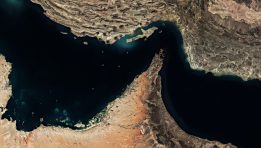
The Strait of Hormuz has immediately become a focal point of geopolitical risk after Iran reportedly violated a ceasefire agreement

