


- Lior mor
- •
- 6 Min Read
- •
- 17 seconds ago
Key Points
- Deutsche Bank identifies China as a relative energy winner amid rising geopolitical tensions and supply disruptions.
- Access to discounted energy imports and diversified supply chains strengthens China’s strategic position.
- Global energy fragmentation is reshaping trade flows, pricing dynamics, and geopolitical alliances.
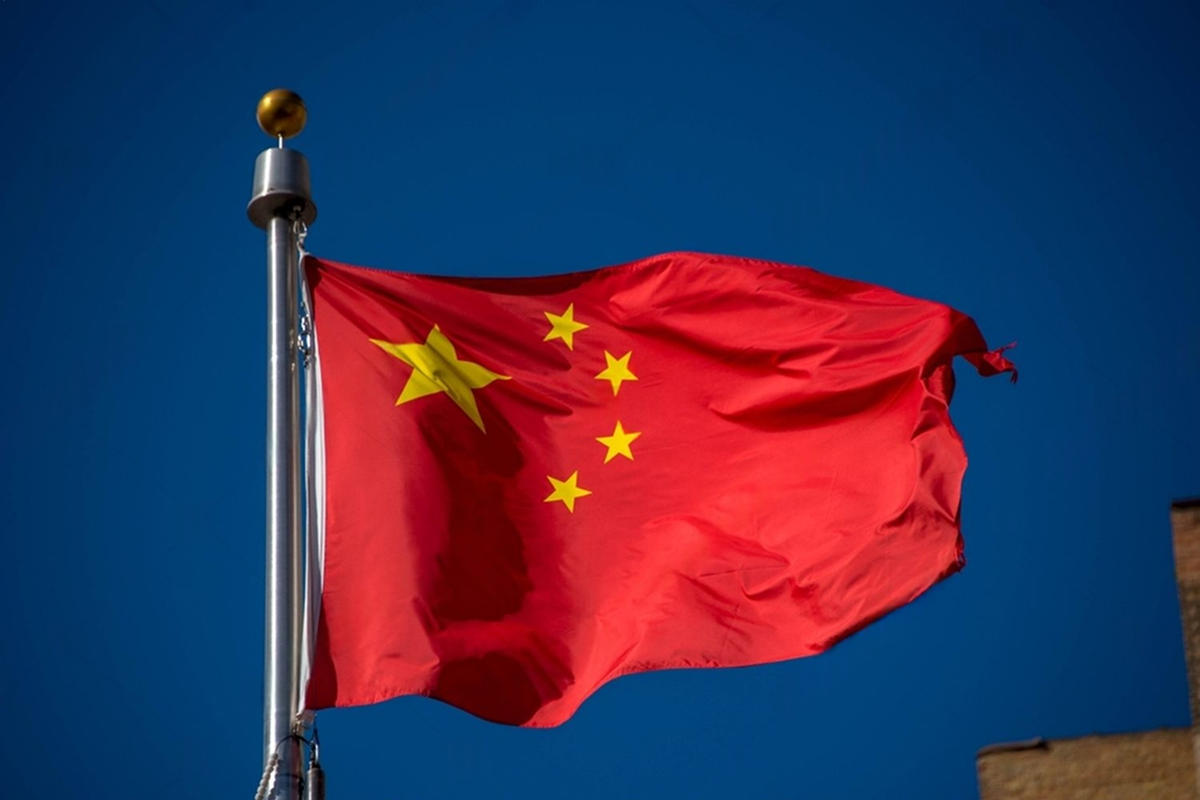
China is emerging as a strategic beneficiary in the evolving global energy landscape, according to Deutsche Bank, as geopolitical conflicts reshape supply chains and pricing mechanisms. In an environment marked by rising tensions and resource competition, China’s ability to secure stable and cost-effective energy supplies is becoming increasingly significant.
China’s Energy Strategy Gains Momentum
Deutsche Bank’s analysis highlights China’s growing advantage in sourcing discounted oil and gas, particularly from countries facing Western sanctions or shifting trade alignments. By expanding imports from nations such as Russia and increasing long-term supply agreements, China has been able to secure energy at relatively favorable prices compared to many Western economies.
This approach not only supports China’s industrial base but also provides a buffer against global price volatility. As energy costs remain a key driver of manufacturing competitiveness, China’s position enables it to maintain cost advantages in key export sectors, reinforcing its role in global supply chains.
Global Energy Fragmentation and Market Implications
The current geopolitical environment is accelerating a trend toward energy market fragmentation, where trade flows are increasingly influenced by political alliances rather than purely economic considerations. This shift has led to the emergence of parallel energy markets, with varying pricing structures depending on regional dynamics.
For global markets, this fragmentation introduces both risks and opportunities. While some economies face higher energy costs and supply uncertainty, others—like China—benefit from more stable access to resources. This divergence has implications for inflation trends, industrial output, and trade balances, particularly in energy-importing nations.
Strategic Implications for Global Investors
From an investment perspective, the evolving energy landscape underscores the importance of geopolitical positioning in assessing market opportunities. China’s ability to leverage its scale, infrastructure, and diplomatic relationships places it in a relatively strong position as global energy dynamics shift.
For Israel and other economies closely linked to global trade, these developments highlight the need to monitor energy security and diversification strategies. Israel’s growing role in natural gas production and regional energy partnerships may provide opportunities to strengthen its position within this changing framework.
Looking ahead, the trajectory of global energy markets will depend on the persistence of geopolitical tensions, the evolution of trade alliances, and the pace of energy transition initiatives. Investors will need to track commodity price movements, policy shifts, and supply chain realignments as key indicators. While China’s current positioning offers advantages, the long-term outlook remains subject to significant uncertainty as the global energy system continues to adapt to a more fragmented and politically influenced environment.
Comparison, examination, and analysis between investment houses
Leave your details, and an expert from our team will get back to you as soon as possible
* This article, in whole or in part, does not contain any promise of investment returns, nor does it constitute professional advice to make investments in any particular field.
To read more about the full disclaimer, click here
- sagi habasov
- •
- 6 Min Read
- •
- ago 46 minutes
SKN | Core PCE at 3% Before Oil Surge—Will Geopolitics Reignite Inflation Pressures?
The latest data showed core PCE inflation at 3%, reinforcing a gradual cooling trend in underlying US price pressures
- ago 46 minutes
- •
- 6 Min Read

The latest data showed core PCE inflation at 3%, reinforcing a gradual cooling trend in underlying US price pressures

- Ronny Mor
- •
- 8 Min Read
- •
- ago 6 hours
SKN | Is China’s Lending Surge a True Recovery Signal or Just Seasonal Momentum?
China’s credit engine appears to have regained momentum in March, with new yuan loans expected to reach approximately 3.4 trillion
- ago 6 hours
- •
- 8 Min Read
China’s credit engine appears to have regained momentum in March, with new yuan loans expected to reach approximately 3.4 trillion
- Ronny Mor
- •
- 5 Min Read
- •
- ago 8 hours
SKN | Strait of Hormuz Emerges as First Major Flashpoint of Trump’s “Fragile” Ceasefire
The Strait of Hormuz has immediately become a focal point of geopolitical risk after Iran reportedly violated a ceasefire agreement
- ago 8 hours
- •
- 5 Min Read

The Strait of Hormuz has immediately become a focal point of geopolitical risk after Iran reportedly violated a ceasefire agreement

- Lior mor
- •
- 5 Min Read
- •
- ago 12 hours
SKN | US Futures Stall as Iran Reports Ceasefire Collapse, Raising Market Uncertainty
U.S. stock futures paused their rally following reports that Iran’s ceasefire collapsed within a day, introducing fresh uncertainty for investors
- ago 12 hours
- •
- 5 Min Read

U.S. stock futures paused their rally following reports that Iran’s ceasefire collapsed within a day, introducing fresh uncertainty for investors

