


- sagi habasov
- •
- 6 Min Read
- •
- 12 seconds ago
Key Points
- Core PCE inflation stood at 3%, indicating moderating price pressures before recent geopolitical developments.
- Rising oil prices linked to Middle East tensions risk reversing disinflation trends.
- Markets now reassessing Federal Reserve policy expectations amid renewed inflation uncertainty.

The latest data showed core PCE inflation at 3%, reinforcing a gradual cooling trend in underlying US price pressures prior to the recent escalation in Middle East tensions. However, the sharp rise in oil prices following the Iran conflict introduces a new variable that could complicate the inflation outlook and monetary policy trajectory.
Core PCE Signals Progress in Inflation Fight
The Personal Consumption Expenditures (PCE) index, the Federal Reserve’s preferred inflation gauge, indicated that core inflation had moderated to around 3% on an annual basis before the latest geopolitical developments. This marked a continued improvement from previous peaks, suggesting that tighter monetary policy and easing supply chain pressures were gradually taking effect.
Importantly, the core measure—excluding volatile food and energy components—provided reassurance that underlying inflation trends were stabilizing. This had supported market expectations that the Federal Reserve could move closer to a more neutral policy stance, potentially reducing the need for further aggressive rate hikes.
Oil Price Surge Alters the Inflation Narrative
The escalation of tensions involving Iran has driven a notable increase in global oil prices, raising concerns about a renewed wave of inflationary pressure. Energy costs play a critical role in shaping headline inflation and can indirectly influence core inflation through transportation, production, and consumer pricing channels.
While the direct impact of oil price increases on core PCE is typically limited in the short term, sustained higher energy prices could feed into broader cost structures. This dynamic risks slowing or even reversing the disinflationary momentum observed in recent quarters, particularly if geopolitical instability persists.
Market and Policy Implications in a Shifting Environment
Financial markets are increasingly recalibrating expectations for Federal Reserve policy, as the combination of moderating core inflation and rising energy prices creates a more complex outlook. Bond yields and currency markets may remain sensitive to incoming data, particularly if inflation expectations begin to rise again.
For global investors, including those in Israel, the interplay between geopolitical risk and inflation dynamics carries significant implications. Israel’s proximity to regional developments adds an additional layer of sensitivity, particularly in energy markets and currency volatility. At the same time, sectors tied to commodities and energy may experience renewed interest amid higher price levels.
Looking ahead, the key question for markets will be whether the recent rise in oil prices represents a temporary shock or the beginning of a sustained trend. Investors will closely monitor energy markets, inflation data, and central bank signals for further direction. A prolonged period of elevated oil prices could challenge the current disinflation narrative, while a stabilization in energy markets may allow policymakers to maintain a more balanced approach. The evolving situation underscores the importance of geopolitical developments as a critical driver of macroeconomic conditions in the months ahead.
Comparison, examination, and analysis between investment houses
Leave your details, and an expert from our team will get back to you as soon as possible
* This article, in whole or in part, does not contain any promise of investment returns, nor does it constitute professional advice to make investments in any particular field.
To read more about the full disclaimer, click here
- Ronny Mor
- •
- 8 Min Read
- •
- ago 5 hours
SKN | Is China’s Lending Surge a True Recovery Signal or Just Seasonal Momentum?
China’s credit engine appears to have regained momentum in March, with new yuan loans expected to reach approximately 3.4 trillion
- ago 5 hours
- •
- 8 Min Read
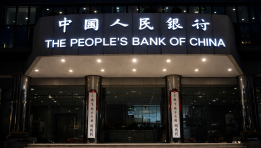
China’s credit engine appears to have regained momentum in March, with new yuan loans expected to reach approximately 3.4 trillion
- Ronny Mor
- •
- 5 Min Read
- •
- ago 7 hours
SKN | Strait of Hormuz Emerges as First Major Flashpoint of Trump’s “Fragile” Ceasefire
The Strait of Hormuz has immediately become a focal point of geopolitical risk after Iran reportedly violated a ceasefire agreement
- ago 7 hours
- •
- 5 Min Read

The Strait of Hormuz has immediately become a focal point of geopolitical risk after Iran reportedly violated a ceasefire agreement

- Lior mor
- •
- 5 Min Read
- •
- ago 11 hours
SKN | US Futures Stall as Iran Reports Ceasefire Collapse, Raising Market Uncertainty
U.S. stock futures paused their rally following reports that Iran’s ceasefire collapsed within a day, introducing fresh uncertainty for investors
- ago 11 hours
- •
- 5 Min Read

U.S. stock futures paused their rally following reports that Iran’s ceasefire collapsed within a day, introducing fresh uncertainty for investors

- sagi habasov
- •
- 5 Min Read
- •
- ago 12 hours
SKN | China Emerges as Energy “Winner” in Global Conflict, Deutsche Bank Says
Deutsche Bank has flagged China as a key beneficiary in the evolving geopolitical landscape, describing its energy sector as a
- ago 12 hours
- •
- 5 Min Read

Deutsche Bank has flagged China as a key beneficiary in the evolving geopolitical landscape, describing its energy sector as a

