


- Ronny Mor
- •
- 5 Min Read
- •
- 16 seconds ago
Key Points
- Tensions in the Strait of Hormuz have escalated after reports claim the ceasefire was broken within 24 hours.
- Global markets are responding cautiously, reflecting energy security and supply chain concerns.
- Analysts warn of potential volatility in oil prices and broader equity markets if tensions persist.
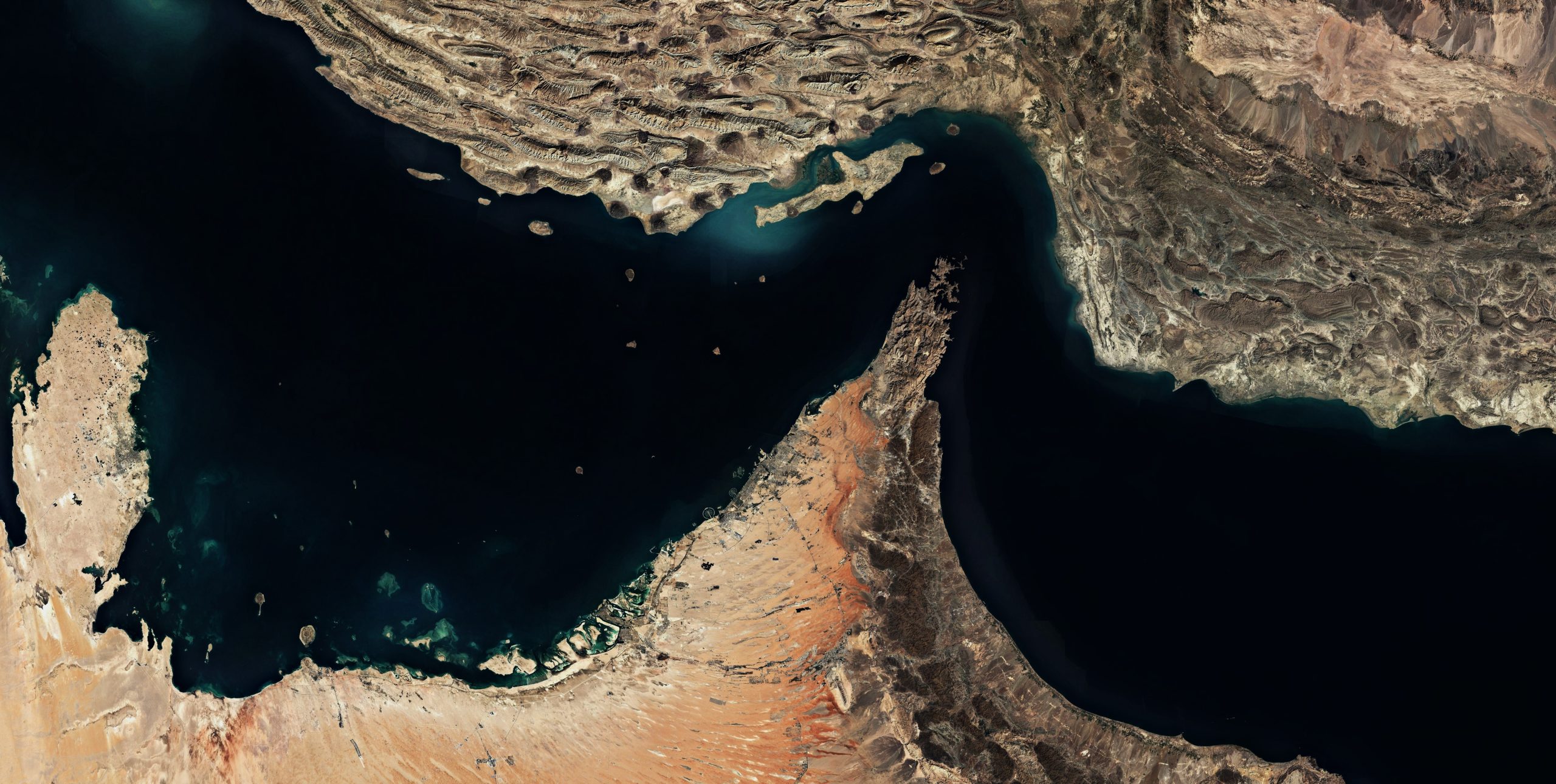
The Strait of Hormuz has immediately become a focal point of geopolitical risk after Iran reportedly violated a ceasefire agreement brokered under the Trump administration. Investors are reassessing global market exposure as the sudden escalation introduces uncertainty over oil shipments, regional stability, and the broader economic implications for energy-dependent economies. Market participants are balancing prior optimism from easing tensions with renewed caution, particularly in sectors sensitive to energy and geopolitical developments.
Geopolitical Flashpoint and Market Sensitivity
The Strait of Hormuz is a critical chokepoint for global energy supply, with nearly one-fifth of the world’s oil exports passing through the waterway. Any disruption has immediate ramifications for crude prices and energy security worldwide. Analysts note that the rapid breakdown of the ceasefire underscores the fragility of diplomatic arrangements in the region, with potential knock-on effects for shipping routes, insurance costs, and global trade flows. Investors are closely watching regional military movements and policy statements, as even minor escalations could ripple through commodity and financial markets.
Market Reactions and Energy Implications
Following the news, crude oil futures surged, with Brent climbing over 1.8% and WTI rising nearly 1.6%, reflecting concerns over potential supply bottlenecks. Equity futures, particularly in energy and industrial sectors, exhibited muted gains as traders weighed geopolitical risks against corporate earnings trends. Analysts highlight that energy market sensitivity is heightened by tight inventories and ongoing shifts in global demand, meaning that even short-term disruptions in Hormuz could create volatility in both oil prices and associated equities.
Strategic Considerations for Investors
Beyond immediate price movements, the situation in Hormuz has broader implications for strategic asset allocation and risk management. Countries and firms heavily reliant on Middle Eastern energy are reassessing contingency plans, supply diversification, and hedging strategies. For investors, geopolitical instability underscores the importance of monitoring policy developments, energy market dynamics, and currency fluctuations. Analysts note that sustained tension or an escalation in hostilities could influence long-term planning for energy procurement, international trade, and portfolio exposure to sensitive sectors.
Looking ahead, the persistence of instability in the Strait of Hormuz will remain a key factor in global market sentiment. Traders and policymakers are expected to track diplomatic efforts, military developments, and energy supply reports closely. Volatility in crude prices and equity markets may continue as investors evaluate the balance between short-term disruptions and long-term economic fundamentals. Observers highlight that the region’s strategic importance will make it a continuous point of focus for financial and geopolitical risk assessment.
Comparison, examination, and analysis between investment houses
Leave your details, and an expert from our team will get back to you as soon as possible
* This article, in whole or in part, does not contain any promise of investment returns, nor does it constitute professional advice to make investments in any particular field.
To read more about the full disclaimer, click here
- Lior mor
- •
- 5 Min Read
- •
- ago 4 hours
SKN | US Futures Stall as Iran Reports Ceasefire Collapse, Raising Market Uncertainty
U.S. stock futures paused their rally following reports that Iran’s ceasefire collapsed within a day, introducing fresh uncertainty for investors
- ago 4 hours
- •
- 5 Min Read

U.S. stock futures paused their rally following reports that Iran’s ceasefire collapsed within a day, introducing fresh uncertainty for investors

- sagi habasov
- •
- 5 Min Read
- •
- ago 5 hours
SKN | China Emerges as Energy “Winner” in Global Conflict, Deutsche Bank Says
Deutsche Bank has flagged China as a key beneficiary in the evolving geopolitical landscape, describing its energy sector as a
- ago 5 hours
- •
- 5 Min Read

Deutsche Bank has flagged China as a key beneficiary in the evolving geopolitical landscape, describing its energy sector as a

- omer bar
- •
- 5 Min Read
- •
- ago 5 hours
SKN | Oil Rebounds After Largest Drop Since 2020 as Strait of Hormuz Remains Blocked
Crude oil prices rebounded slightly after experiencing the sharpest single-day decline since 2020, with traders closely watching developments in the
- ago 5 hours
- •
- 5 Min Read

Crude oil prices rebounded slightly after experiencing the sharpest single-day decline since 2020, with traders closely watching developments in the
- omer bar
- •
- 6 Min Read
- •
- ago 10 hours
SKN | Panama Allows First Quantum to Process Stockpiled Copper—A Temporary Relief or Strategic Reset?
Panama’s government has granted First Quantum Minerals permission to process copper concentrate stockpiled at its halted Cobre Panamá mine,
- ago 10 hours
- •
- 6 Min Read

Panama’s government has granted First Quantum Minerals permission to process copper concentrate stockpiled at its halted Cobre Panamá mine,

