


- omer bar
- •
- 8 Min Read
- •
- 16 seconds ago
Key Points
- China is accelerating its shift toward a consumption-driven, service-based economy
- Technological innovation and reform are central to moving up the value chain
- Execution and policy clarity will be critical in shaping investor confidence
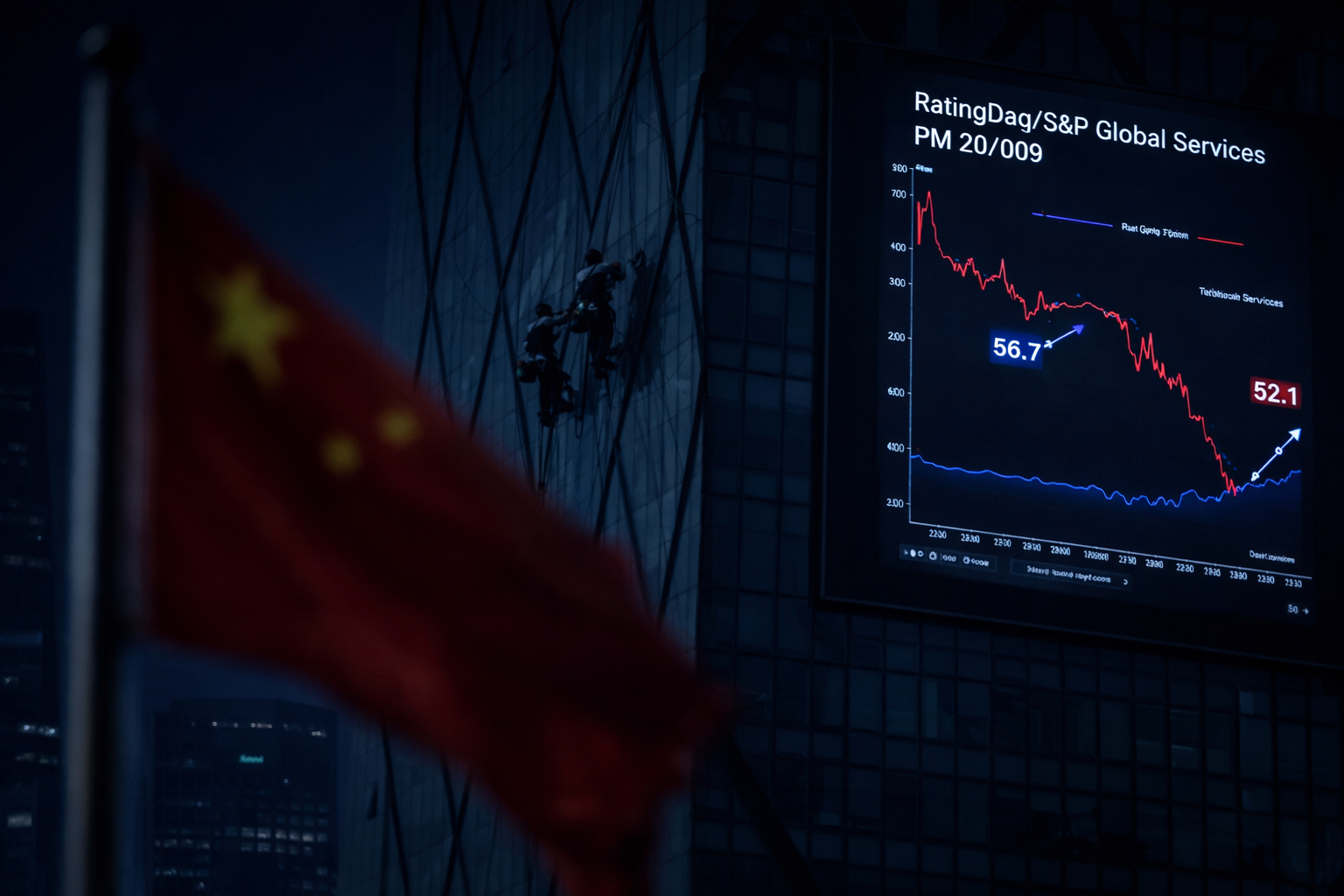
China is signaling a strategic pivot toward strengthening its domestic services sector, as Xi Jinping emphasized a demand-driven growth model supported by structural reforms and technological innovation. The directive, delivered during a national conference in Beijing, reflects Beijing’s broader effort to rebalance the economy away from manufacturing dependence and toward consumption-led expansion. For global markets, this shift could reshape trade dynamics, investment flows, and sectoral opportunities in the world’s second-largest economy.
Strategic Shift: From Manufacturing to Services-Led Expansion
China’s leadership has increasingly acknowledged the limitations of a growth model heavily reliant on exports and industrial output. By prioritizing services, policymakers aim to unlock domestic consumption and reduce vulnerability to external shocks, including trade tensions and global demand cycles. The emphasis on demand-driven growth suggests a more market-oriented approach, where consumer needs and private sector dynamism play a greater role in shaping economic outcomes.
This transition aligns with long-term structural goals, particularly as China grapples with slowing GDP growth and demographic headwinds. Expanding the services sector—ranging from finance and healthcare to technology and logistics—offers a pathway to sustain employment and productivity without over-reliance on capital-intensive industries.
Reform and Innovation: Climbing the Value Chain
A key component of Xi’s directive is the push toward specialization and technological empowerment within production-oriented services. By integrating advanced technologies such as artificial intelligence, cloud computing, and digital platforms, China aims to elevate its service offerings to higher-value segments of the global economy.
This move also reflects intensifying competition with advanced economies, where services dominate GDP composition. By fostering innovation and encouraging private-sector participation, Beijing is attempting to bridge the gap and position Chinese firms as global leaders in high-end services. The focus on reform indicates that regulatory adjustments and institutional support will likely accompany this transformation.
Building “China Service” Brands: Global Ambitions
The call to cultivate recognizable “China service” brands underscores a growing ambition to expand the country’s soft economic influence. Historically, China’s global presence has been anchored in manufacturing exports. However, building strong service brands could enhance competitiveness in areas such as digital services, fintech, and professional consulting.
Brand development also signals a shift toward quality over quantity. Rather than competing solely on cost efficiency, Chinese firms are being encouraged to differentiate through innovation, reliability, and global standards. This evolution may attract foreign investment while strengthening China’s position in international service trade.
Market Implications: Opportunities and Structural Risks
For investors, the policy direction opens new avenues in sectors tied to consumption and digital transformation. Companies positioned in e-commerce, fintech, healthcare services, and logistics could benefit from supportive policies and rising domestic demand. At the same time, the transition carries execution risks, particularly in aligning regulatory frameworks with market-driven innovation.
Investor sentiment may also hinge on the pace of reform implementation. While the rhetoric signals ambition, tangible outcomes will depend on how effectively local governments and institutions translate policy into action. Global investors are likely to monitor whether China can balance state control with private-sector flexibility—a key determinant of long-term success.
Looking Ahead: A Defining Phase for China’s Economic Model
China’s renewed focus on its services sector marks a critical juncture in its economic evolution. If successfully implemented, the strategy could reduce structural imbalances and create a more resilient, consumption-driven economy. However, the path forward will require careful policy calibration, particularly amid global economic uncertainty and domestic challenges.
Markets will be watching for concrete policy measures, including incentives, regulatory reforms, and technological investments, that signal genuine progress. The success of this initiative may ultimately determine whether China can sustain stable growth while redefining its role in the global economic order.
Comparison, examination, and analysis between investment houses
Leave your details, and an expert from our team will get back to you as soon as possible
* This article, in whole or in part, does not contain any promise of investment returns, nor does it constitute professional advice to make investments in any particular field.
To read more about the full disclaimer, click here
- Ronny Mor
- •
- 5 Min Read
- •
- ago 5 hours
SKN | Market Anxiety Peaks as ‘Freak Out’ Indicator Hits Record Amid War Tensions
The VIX, commonly known as the “fear gauge” of Wall Street, spiked to record levels this week as escalating war-related
- ago 5 hours
- •
- 5 Min Read

The VIX, commonly known as the “fear gauge” of Wall Street, spiked to record levels this week as escalating war-related
- Ronny Mor
- •
- 7 Min Read
- •
- ago 16 hours
SKN | Is the Fed Facing a New Inflation Shock as War-Driven Energy Prices Surge?
Fed Signals Inflation Risks From Energy Shock John Williams warned that the ongoing Middle East conflict is likely to drive
- ago 16 hours
- •
- 7 Min Read

Fed Signals Inflation Risks From Energy Shock John Williams warned that the ongoing Middle East conflict is likely to drive

- sagi habasov
- •
- 6 Min Read
- •
- ago 18 hours
SKN | Japan Approves Record €664 Billion Budget: Stimulus Boost or Rising Fiscal Risk?
Japan has enacted its largest state budget in history, totaling approximately €664 billion, underscoring the government’s commitment to economic
- ago 18 hours
- •
- 6 Min Read

Japan has enacted its largest state budget in history, totaling approximately €664 billion, underscoring the government’s commitment to economic

- Lior mor
- •
- 5 Min Read
- •
- ago 23 hours
SKN | Is the Housing Market on the Brink of Another Crash? Experts Weigh In
The global housing market has shown signs of cooling after years of rapid price appreciation, prompting questions among investors and
- ago 23 hours
- •
- 5 Min Read

The global housing market has shown signs of cooling after years of rapid price appreciation, prompting questions among investors and

