


- sagi habasov
- •
- 5 Min Read
- •
- 52 seconds ago
Key Points
- Former U.S. President Donald Trump declares a two-week ceasefire with Iran, easing regional tensions.
- Iran pledges safe maritime passage through the Strait of Hormuz, stabilizing global oil supply concerns.
- Markets react cautiously, with oil prices and safe-haven assets reflecting geopolitical developments.
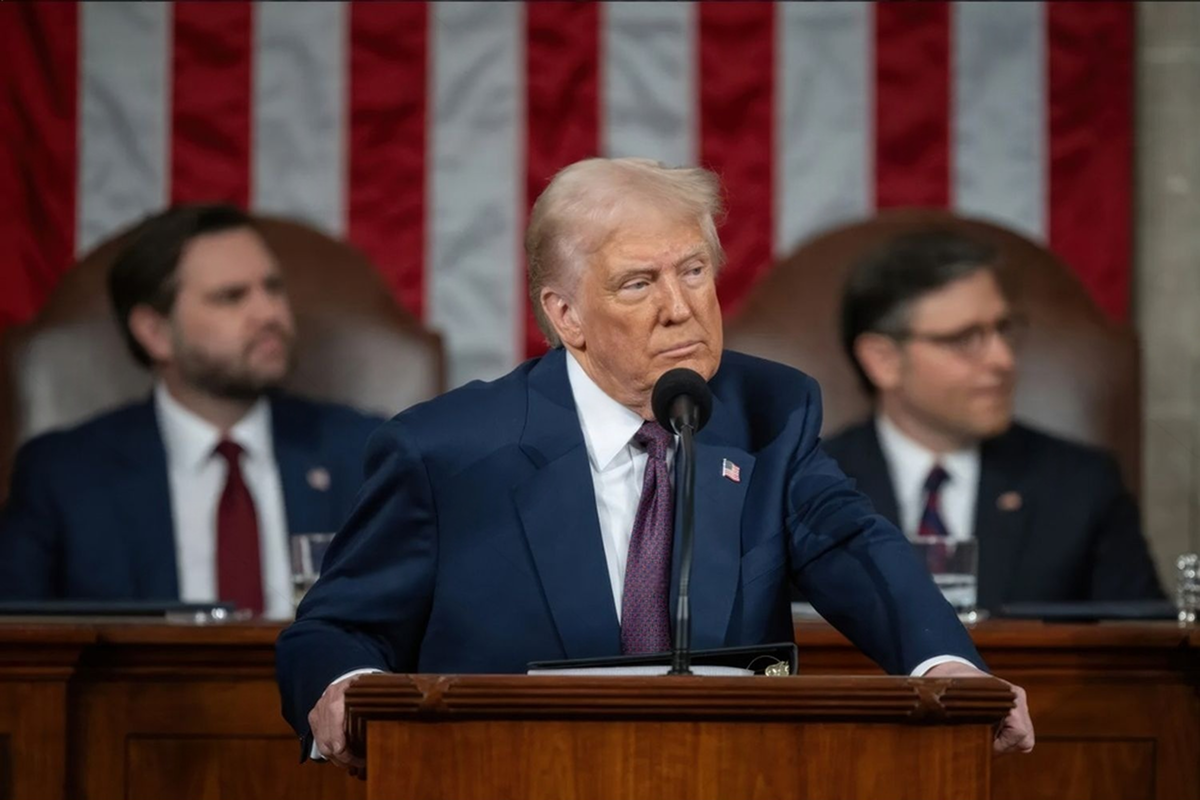
The announcement of a temporary ceasefire between the U.S. and Iran marks a notable de-escalation in the Gulf region, signaling potential stability for energy markets and international shipping routes. Investors are assessing the immediate implications for global trade flows, particularly oil supply, while financial markets reflect cautious optimism in response to the diplomatic development.
Geopolitical Impact on Global Energy Markets
The Strait of Hormuz, a strategic chokepoint through which roughly 20% of the world’s oil supply passes, has historically been sensitive to regional tensions. Iran’s commitment to ensure safe passage reduces the immediate risk of disruptions in global crude shipments, providing a temporary cushion for energy markets. Oil prices responded modestly, with Brent crude up 1.3% to $84.50 per barrel, reflecting investor recognition of the reduced geopolitical risk. Analysts note that while the ceasefire eases short-term concerns, long-term market stability depends on sustained diplomatic engagement and adherence to commitments by both sides.
Market and Investor Reactions
Equities and currency markets displayed measured responses, highlighting investor focus on underlying economic fundamentals alongside geopolitical developments. Safe-haven assets, including gold and government bonds, saw moderate inflows as uncertainty remains regarding the durability of the ceasefire. Market participants are evaluating the potential for renewed volatility if negotiations fail or regional incidents occur, underlining the sensitivity of global portfolios to geopolitical risk. The development also reinforces the importance of monitoring macroeconomic indicators and energy market data in assessing market positioning.
Strategic Considerations for Financial Participants
The ceasefire highlights the need for institutional and global investors to assess regional exposure and potential supply chain vulnerabilities. Companies involved in shipping, energy, and insurance sectors may adjust risk management strategies in response to the temporary reduction in conflict-related uncertainties. Analysts emphasize that while short-term relief may support investor confidence, sustained stability in the Gulf will influence capital allocation, commodity pricing, and broader market sentiment in the months ahead. Strategic monitoring of policy developments, trade routes, and energy inventories remains critical for market participants seeking to navigate the evolving geopolitical landscape.
Looking forward, the continuation of diplomatic dialogue, adherence to ceasefire terms, and regional political developments will be central in determining market trajectories. Investors will need to remain alert to potential flare-ups, shifts in energy flows, and regulatory actions, which could materially impact global trade, oil prices, and asset allocation strategies across international portfolios.
Comparison, examination, and analysis between investment houses
Leave your details, and an expert from our team will get back to you as soon as possible
* This article, in whole or in part, does not contain any promise of investment returns, nor does it constitute professional advice to make investments in any particular field.
To read more about the full disclaimer, click here
- Lior mor
- •
- 5 Min Read
- •
- ago 2 hours
SKN | Gold Prices Surge After Trump Announces Two-Week Ceasefire in Iran
Gold prices rose notably after former U.S. President Donald Trump agreed to a two-week ceasefire with Iran, easing immediate geopolitical
- ago 2 hours
- •
- 5 Min Read

Gold prices rose notably after former U.S. President Donald Trump agreed to a two-week ceasefire with Iran, easing immediate geopolitical

- omer bar
- •
- 7 Min Read
- •
- ago 4 hours
SKN | Oil Falls Below $100 After Trump Announces Two-Week Ceasefire — What It Signals for Energy Markets
Oil prices retreated below the psychologically important $100-per-barrel threshold after former U.S. President Donald Trump announced a proposed two-week ceasefire
- ago 4 hours
- •
- 7 Min Read

Oil prices retreated below the psychologically important $100-per-barrel threshold after former U.S. President Donald Trump announced a proposed two-week ceasefire

- orshu
- •
- 6 Min Read
- •
- ago 9 hours
SKN | Goldman Sachs Cuts Copper Forecast: Demand Weakness Signals Downside Risk for Prices
Goldman Sachs has revised its outlook for copper prices, pointing to weakening demand dynamics and warning of potential downside
- ago 9 hours
- •
- 6 Min Read

Goldman Sachs has revised its outlook for copper prices, pointing to weakening demand dynamics and warning of potential downside
- omer bar
- •
- 6 Min Read
- •
- ago 22 hours
SKN | Oil Shock Pushes Philippine Inflation to 20-Month High — What It Means for Markets
The Philippines reported a sharp rise in consumer prices, with inflation reaching a 20-month high as surging oil prices intensified
- ago 22 hours
- •
- 6 Min Read

The Philippines reported a sharp rise in consumer prices, with inflation reaching a 20-month high as surging oil prices intensified

