


- Lior mor
- •
- 5 Min Read
- •
- 22 seconds ago
Key Points
- Gold prices climbed sharply following U.S.-Iran ceasefire announcement, reflecting renewed risk sentiment among investors.
- Equities and oil markets showed muted responses, while safe-haven demand drove U.S. dollar and yen volatility.
- Analysts highlight geopolitical developments as a key driver for commodity markets and global portfolio adjustments.
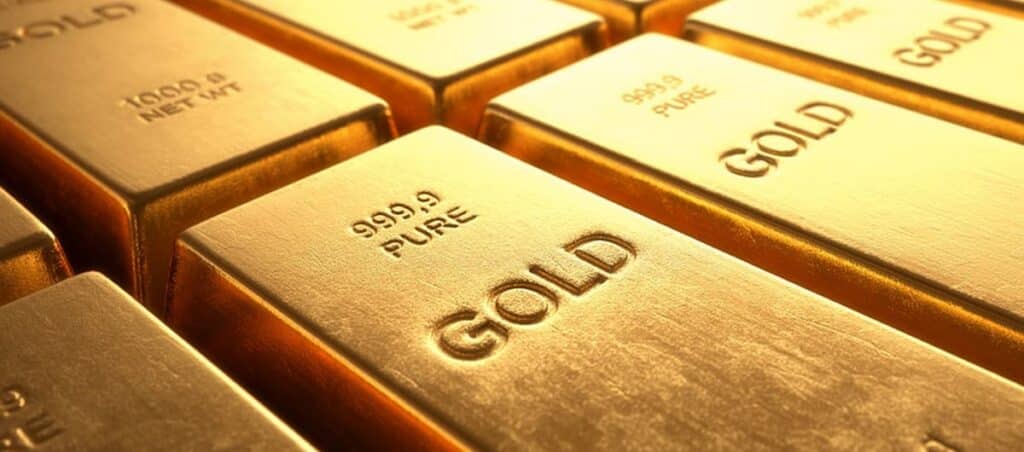
Gold prices rose notably after former U.S. President Donald Trump agreed to a two-week ceasefire with Iran, easing immediate geopolitical tensions in the Middle East. Investors responded by increasing exposure to safe-haven assets, while markets globally watched closely for the potential implications on oil supply, regional stability, and financial market sentiment.
Geopolitical Developments Drive Precious Metals
The agreement between the U.S. and Iran temporarily reduced the risk of escalation in the region, prompting gold to rally as investors sought stability amid uncertainty. Gold futures surged by 1.2% to $2,005 per ounce, reflecting heightened demand for a traditional safe-haven asset. Analysts note that such spikes typically follow announcements of reduced military risk, as geopolitical uncertainty remains a primary driver for commodities markets, especially precious metals. The move underscores how sensitive gold is to real-time political developments, given its role as a hedge against systemic risk.
Market Reactions Across Asset Classes
While gold experienced immediate gains, equities and oil markets responded more modestly. Stock indices in the U.S. and Europe saw small intraday gains, reflecting cautious optimism, whereas oil prices showed limited movement despite the potential implications for Middle Eastern supply chains. Currency markets reacted with slight strengthening in the Japanese yen and U.S. dollar as risk sentiment shifted. The varied market response illustrates how investors weigh geopolitical developments differently across asset classes, balancing risk exposure with potential macroeconomic impacts.
Strategic Implications for Global Investors
The ceasefire highlights the continuing importance of monitoring geopolitical events when evaluating portfolio risk and asset allocation. Institutional and global investors may reassess exposure to Middle Eastern energy markets, while tracking developments in precious metals as part of risk management strategies. Analysts emphasize that, while short-term volatility may ease, sustained trends in commodity prices will depend on broader geopolitical stability, fiscal policy, and global macroeconomic factors. The situation serves as a reminder that geopolitical shocks can rapidly influence market dynamics, particularly in sectors sensitive to risk and supply disruptions.
Looking ahead, investors will continue to monitor developments in the U.S.-Iran relationship, regional security, and potential extensions of the ceasefire. Additionally, macroeconomic indicators, central bank communications, and global demand for commodities will likely influence the trajectory of gold prices and related safe-haven assets. Market participants will need to remain vigilant, as even temporary geopolitical relief can have lasting effects on global portfolio allocations and market sentiment.
Comparison, examination, and analysis between investment houses
Leave your details, and an expert from our team will get back to you as soon as possible
* This article, in whole or in part, does not contain any promise of investment returns, nor does it constitute professional advice to make investments in any particular field.
To read more about the full disclaimer, click here
- omer bar
- •
- 7 Min Read
- •
- ago 1 hour
SKN | Oil Falls Below $100 After Trump Announces Two-Week Ceasefire — What It Signals for Energy Markets
Oil prices retreated below the psychologically important $100-per-barrel threshold after former U.S. President Donald Trump announced a proposed two-week ceasefire
- ago 1 hour
- •
- 7 Min Read
Oil prices retreated below the psychologically important $100-per-barrel threshold after former U.S. President Donald Trump announced a proposed two-week ceasefire

- orshu
- •
- 6 Min Read
- •
- ago 7 hours
SKN | Goldman Sachs Cuts Copper Forecast: Demand Weakness Signals Downside Risk for Prices
Goldman Sachs has revised its outlook for copper prices, pointing to weakening demand dynamics and warning of potential downside
- ago 7 hours
- •
- 6 Min Read

Goldman Sachs has revised its outlook for copper prices, pointing to weakening demand dynamics and warning of potential downside
- omer bar
- •
- 6 Min Read
- •
- ago 19 hours
SKN | Oil Shock Pushes Philippine Inflation to 20-Month High — What It Means for Markets
The Philippines reported a sharp rise in consumer prices, with inflation reaching a 20-month high as surging oil prices intensified
- ago 19 hours
- •
- 6 Min Read
The Philippines reported a sharp rise in consumer prices, with inflation reaching a 20-month high as surging oil prices intensified

- Ronny Mor
- •
- 7 Min Read
- •
- ago 1 day
SKN | Qatar LNG Tankers Reverse Course Near Strait of Hormuz — What It Signals for Global Energy Markets
Qatar-linked liquefied natural gas (LNG) tankers appeared to reverse or delay attempts to exit the Strait of Hormuz, highlighting the
- ago 1 day
- •
- 7 Min Read

Qatar-linked liquefied natural gas (LNG) tankers appeared to reverse or delay attempts to exit the Strait of Hormuz, highlighting the

