


- orshu
- •
- 6 Min Read
- •
- 8 seconds ago
Key Points
- Volatility surged as the VIX climbed by 5.25%, signaling increased market uncertainty.
- Major US indices declined, with the Dow, S&P 500, and Nasdaq all trading lower.
- Small-cap resilience emerged, as the Russell 2000 posted a modest gain.
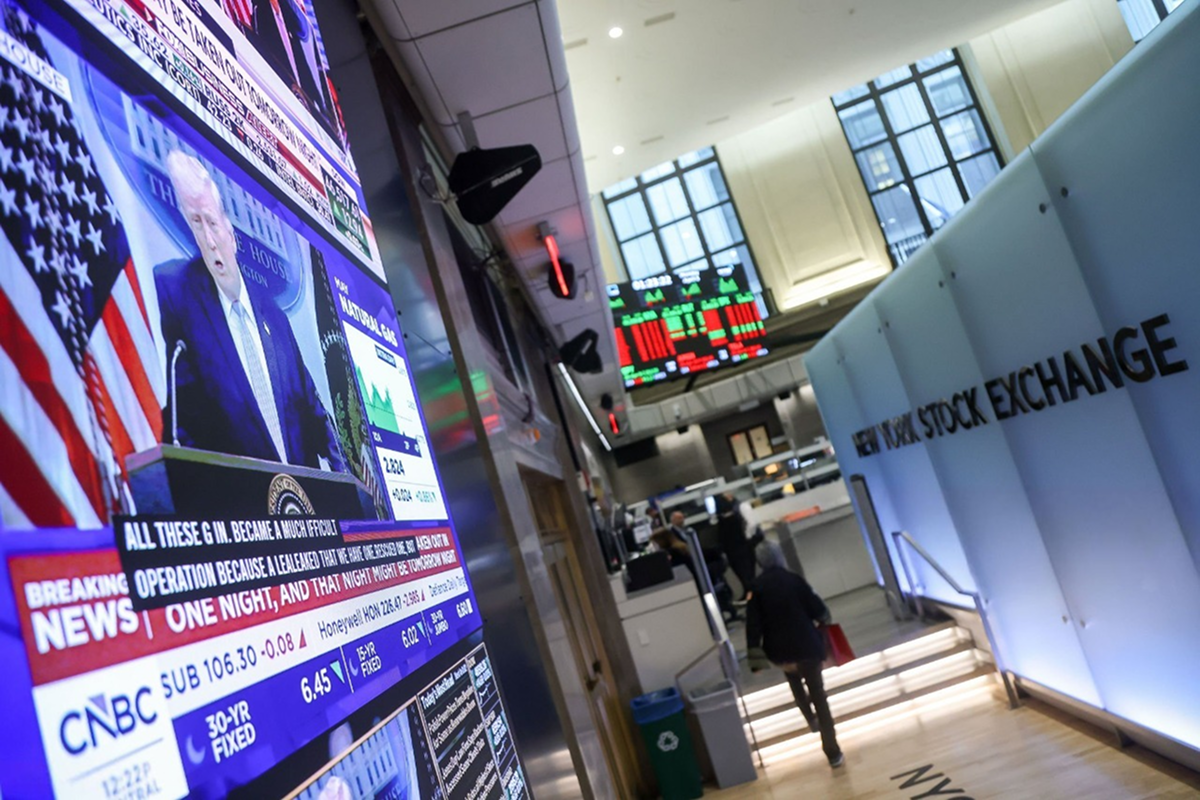
US markets opened on April 07 with a mixed tone, reflecting growing investor caution amid rising volatility and uneven sector performance. While large-cap indices moved lower, small-cap stocks showed relative strength, suggesting a shift in market positioning as investors reassess risk exposure.
The divergence across asset classes highlights a market environment increasingly influenced by macro uncertainty, including interest rate expectations, economic data, and global market developments.
Volatility Spike Signals Heightened Market Caution
The Volatility Index (VIX) rose by 5.25% to 25.44, marking a notable increase in market anxiety. Elevated volatility levels often indicate heightened demand for hedging strategies, as investors seek protection against potential downside risks.
This rise suggests that market participants are becoming more cautious, particularly as equity markets hover near recent highs. Historically, spikes in the VIX can precede periods of increased market swings, reinforcing the need for careful risk management.
In the current context, the move higher in volatility reflects uncertainty surrounding monetary policy direction and broader economic conditions, both of which continue to influence investor sentiment.
Large-Cap Indices Face Broad Selling Pressure
Major US indices traded lower in early session activity. The Dow Jones Industrial Average fell by 0.60%, while the S&P 500 declined by 0.43% and the Nasdaq Composite dropped by 0.42%. This broad-based weakness suggests a pullback in large-cap equities, particularly after recent market strength.
In contrast, the Russell 2000 rose by 0.42%, indicating relative strength in small-cap stocks. This divergence may point to sector rotation or selective buying opportunities, as investors look beyond mega-cap names for growth potential.
Elsewhere in the Americas, Canada’s S&P/TSX Composite slipped by 0.19%, while Brazil’s IBOVESPA declined by 0.56%. These moves reflect a broader regional trend of cautious sentiment, aligning with global market uncertainty.
Currency Stability and Cross-Asset Signals
The US Dollar Index edged lower by 0.04%, suggesting relative stability in currency markets despite fluctuations in equities. A stable dollar can provide some support to global markets, though its direction remains closely tied to interest rate expectations.
From a cross-asset perspective, the combination of rising volatility, declining equities, and a stable currency environment indicates a market in transition. Investors appear to be recalibrating positions, balancing risk exposure with opportunities in different sectors and regions.
For global investors, including those in Israel, these developments highlight the importance of monitoring both equity market trends and broader macro signals. Shifts in US markets often have ripple effects across international portfolios and asset allocations.
Looking ahead, market participants will closely watch upcoming economic data releases, central bank commentary, and corporate earnings for further direction. Key indicators include inflation trends, labor market data, and interest rate expectations. While current market movements suggest caution, opportunities may emerge in sectors showing relative strength, particularly if volatility remains elevated. Investors should remain attentive to evolving conditions, as the balance between risk and opportunity continues to shift in the near term.
Comparison, examination, and analysis between investment houses
Leave your details, and an expert from our team will get back to you as soon as possible
* This article, in whole or in part, does not contain any promise of investment returns, nor does it constitute professional advice to make investments in any particular field.
To read more about the full disclaimer, click here
- orshu
- •
- 5 Min Read
- •
- ago 4 hours
SKN | Asia Markets Close Higher on April 7, 2026 as Australia Leads Gains While Hong Kong Lags Amid Holiday Closures
Asian markets closed April 7, 2026, mostly higher, as investors cautiously returned to equities following a period of mixed performance
- ago 4 hours
- •
- 5 Min Read

Asian markets closed April 7, 2026, mostly higher, as investors cautiously returned to equities following a period of mixed performance
- orshu
- •
- 5 Min Read
- •
- ago 6 hours
SKN | European Markets Hold Steady as Mixed Performance Signals Ongoing Consolidation
European markets traded with little direction on Tuesday, April 7, 2026, as investors adopted a cautious stance following recent volatility.
- ago 6 hours
- •
- 5 Min Read

European markets traded with little direction on Tuesday, April 7, 2026, as investors adopted a cautious stance following recent volatility.
- orshu
- •
- 6 Min Read
- •
- ago 17 hours
SKN | Nasdaq Extends Gains on April 06 as Tech Momentum Holds Near Record Levels
The Nasdaq Composite (^IXIC) delivered a steady performance on April 06, closing at 21,983.98, up 104.80 points or 0.48%.
- ago 17 hours
- •
- 6 Min Read

The Nasdaq Composite (^IXIC) delivered a steady performance on April 06, closing at 21,983.98, up 104.80 points or 0.48%.
- orshu
- •
- 6 Min Read
- •
- ago 21 hours
SKN | European Markets Diverge at Close as UK Strength Counters Broad Eurozone Weakness
European markets closed on April 6 with a mixed performance, as strength in the United Kingdom contrasted with broader
- ago 21 hours
- •
- 6 Min Read

European markets closed on April 6 with a mixed performance, as strength in the United Kingdom contrasted with broader

