


- omer bar
- •
- 5 Min Read
- •
- 9 seconds ago
Key Points
- Companies across sectors are increasing prices, citing higher logistics, energy, and insurance costs linked to the Iran conflict.
- Some price hikes are direct, while others are embedded through reduced discounts, shrinkflation, or service adjustments.
- Israeli consumers and investors are seeing ripple effects through inflation, corporate margins, and sector performance.

Rising geopolitical tensions linked to the Iran conflict are increasingly feeding into global pricing dynamics, with companies adjusting prices both transparently and indirectly. From energy-linked surcharges to subtler margin expansion tactics, businesses are responding to higher input costs and uncertainty. The result is a renewed layer of inflationary pressure, with implications for consumers, central banks, and investors alike.
Direct Price Increases Driven by Cost Pressures
Energy and transportation costs have been among the most immediate transmission channels. Disruptions in shipping routes and higher insurance premiums in conflict-sensitive regions have increased freight expenses, particularly for goods moving through the Middle East. Companies in sectors such as aviation, manufacturing, and retail have responded with explicit price hikes or fuel surcharges.
In Israel, where import dependency is significant, these increases are quickly reflected in consumer prices. Food distributors, electronics importers, and construction suppliers have all cited higher logistics costs in recent pricing updates, reinforcing broader inflationary trends.
Subtle Pricing Strategies Gain Traction
Beyond headline price increases, companies are deploying more nuanced strategies to protect margins. These include reducing promotional discounts, altering product sizes (shrinkflation), and introducing premium-tier offerings at higher price points. Such measures allow firms to maintain profitability without triggering immediate consumer backlash.
Global consumer goods companies have increasingly relied on these tactics, particularly in markets where demand remains relatively resilient. For investors, these strategies can support earnings stability, even as volume growth moderates.
Market and Policy Implications
The pricing response to geopolitical risk is being closely monitored by central banks, including the Bank of Israel. Persistent cost-driven inflation could delay potential interest rate cuts, particularly if energy prices remain elevated. At the same time, equity markets are reflecting sector divergence, with energy and defense-related companies benefiting, while consumer-facing sectors face margin compression risks.
For Israeli institutional investors, the environment highlights the importance of sector allocation and exposure to global supply chains. Companies with strong pricing power and diversified sourcing strategies are better positioned to navigate prolonged uncertainty.
Looking ahead, the trajectory of the Iran conflict, energy markets, and global shipping conditions will be key variables shaping pricing behavior. Investors should monitor inflation data, corporate earnings commentary, and central bank signals, as these factors will determine whether current pricing trends persist or begin to stabilize in the months ahead.
Comparison, examination, and analysis between investment houses
Leave your details, and an expert from our team will get back to you as soon as possible
* This article, in whole or in part, does not contain any promise of investment returns, nor does it constitute professional advice to make investments in any particular field.
To read more about the full disclaimer, click here
- sagi habasov
- •
- 9 Min Read
- •
- ago 1 hour
SKN | Is Bitcoin Losing Its Safe-Haven Appeal as Geopolitical Tensions Rattle Global Markets?
Bitcoin retreated alongside global risk assets as escalating geopolitical tensions surrounding Iran weighed on investor sentiment. The world’s largest cryptocurrency
- ago 1 hour
- •
- 9 Min Read

Bitcoin retreated alongside global risk assets as escalating geopolitical tensions surrounding Iran weighed on investor sentiment. The world’s largest cryptocurrency

- Ronny Mor
- •
- 7 Min Read
- •
- ago 5 hours
SKN | Samsung’s AI Chip Surge Powers Earnings Beat Despite Geopolitical Headwinds
Samsung Electronics reported financial results that outpaced analyst expectations, as demand for artificial intelligence (AI) semiconductors and related memory products
- ago 5 hours
- •
- 7 Min Read

Samsung Electronics reported financial results that outpaced analyst expectations, as demand for artificial intelligence (AI) semiconductors and related memory products

- orshu
- •
- 6 Min Read
- •
- ago 7 hours
SKN | Global Markets Recap: April 6, 2026 Performance and Outlook for April 7
The global market landscape on April 6, 2026, showed steady recovery after holiday closures in multiple regions. U.S. indices edged
- ago 7 hours
- •
- 6 Min Read
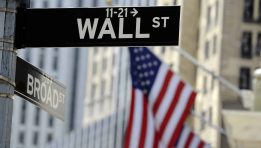
The global market landscape on April 6, 2026, showed steady recovery after holiday closures in multiple regions. U.S. indices edged
- sagi habasov
- •
- 9 Min Read
- •
- ago 9 hours
SKN | Asian Markets Rally in Tuesday Morning Session as Korea and Australia Lead Gains While China Remains Under Pressure
Asian equity markets opened Tuesday, April 7 with broadly positive momentum across much of the region, as investors returned to
- ago 9 hours
- •
- 9 Min Read

Asian equity markets opened Tuesday, April 7 with broadly positive momentum across much of the region, as investors returned to

