


- omer bar
- •
- 6 Min Read
- •
- 22 seconds ago
Key Points
- Target has reached a key operational milestone, signaling progress in inventory and margin stabilization.
- Consumer spending trends remain mixed, creating uncertainty around sustained revenue growth.
- Margin recovery and cost control are central to the company’s near-term outlook.

Target Corporation (NYSE: TGT) has recently reached a significant operational milestone, reflecting progress in stabilizing its business after a challenging period marked by inventory mismanagement and shifting consumer demand. The development comes as the broader retail sector navigates a complex macroeconomic environment shaped by inflation pressures and evolving consumption patterns.
The key question for investors is whether this milestone represents a sustainable turnaround or merely a short-term improvement within a still uncertain retail landscape.
Operational Milestone Signals Internal Stabilization
Target’s recent milestone is largely tied to improvements in inventory management and supply chain efficiency. Over the past year, the company faced significant challenges due to excess inventory, which pressured margins and required aggressive discounting strategies.
Recent data suggests that Target has made measurable progress in aligning inventory levels with demand, reducing markdown activity and improving gross margins. This shift is critical, as margin recovery plays a central role in restoring profitability.
Additionally, the company has focused on optimizing its product mix, emphasizing higher-margin categories while maintaining competitiveness in essential goods. This strategic adjustment indicates a more disciplined operational approach compared to previous cycles.
Consumer Trends Remain a Key Uncertainty
Despite operational improvements, the broader consumer environment remains mixed. U.S. households continue to face pressure from elevated living costs, which has led to more selective spending behavior. Discretionary categories—traditionally a strength for Target—have shown signs of weakness.
At the same time, demand for essential goods remains relatively stable, providing a baseline level of revenue support. However, this shift in spending patterns can compress margins, as essential items typically carry lower profitability compared to discretionary products.
For global investors, including those in Israel with exposure to U.S. retail equities, these dynamics highlight the importance of monitoring consumer confidence indicators and retail sales data. Target’s performance is closely tied to these macroeconomic factors, making it sensitive to broader economic trends.
Margin Recovery and Competitive Positioning
One of the most critical aspects of Target’s recovery story is its ability to rebuild operating margins. The company has implemented cost-control measures, supply chain efficiencies, and pricing strategies aimed at improving profitability.
However, competition within the retail sector remains intense. Major players such as Walmart and Amazon continue to exert pressure through pricing, logistics, and scale advantages. Target must balance competitive pricing with margin preservation, a challenge that will define its near-term performance.
From a market perspective, Target’s stock performance reflects cautious optimism. Investors appear to acknowledge operational progress but remain uncertain about the sustainability of earnings growth in a competitive and evolving retail environment.
Looking ahead, market participants will focus on upcoming earnings reports, particularly indicators related to same-store sales growth, margin expansion, and inventory turnover. Additionally, macroeconomic factors such as inflation trends and consumer spending will play a decisive role in shaping Target’s trajectory. While the recent milestone marks a positive step, the path forward will depend on the company’s ability to sustain operational discipline while navigating external economic pressures.
Comparison, examination, and analysis between investment houses
Leave your details, and an expert from our team will get back to you as soon as possible
* This article, in whole or in part, does not contain any promise of investment returns, nor does it constitute professional advice to make investments in any particular field.
To read more about the full disclaimer, click here
- Ronny Mor
- •
- 6 Min Read
- •
- ago 13 minutes
SKN | Western Digital (WDC) Stock Climbs: AI Storage Demand or Cyclical Recovery at Play?
Western Digital (NASDAQ: WDC) shares advanced in today’s session, reflecting renewed momentum across the data storage and semiconductor ecosystem.
- ago 13 minutes
- •
- 6 Min Read

Western Digital (NASDAQ: WDC) shares advanced in today’s session, reflecting renewed momentum across the data storage and semiconductor ecosystem.

- sagi habasov
- •
- 6 Min Read
- •
- ago 32 minutes
SKN | Seagate Technology Surges Nearly 6%: AI Demand or Storage Cycle Repricing?
Seagate Technology (NASDAQ: STX) surged nearly 6% in today’s trading session, reflecting renewed investor confidence in the data storage
- ago 32 minutes
- •
- 6 Min Read
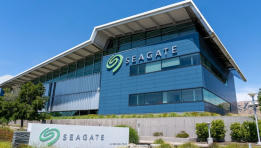
Seagate Technology (NASDAQ: STX) surged nearly 6% in today’s trading session, reflecting renewed investor confidence in the data storage

- orshu
- •
- 7 Min Read
- •
- ago 1 hour
SKN | Hologic (HOLX): Stabilizing After Buyout News — Risk or Repricing Opportunity?
Hologic, Inc. (NASDAQ: HOLX) closed at $76.01 on April 06, gaining 0.48% as the stock hovered near its proposed
- ago 1 hour
- •
- 7 Min Read

Hologic, Inc. (NASDAQ: HOLX) closed at $76.01 on April 06, gaining 0.48% as the stock hovered near its proposed

- Lior mor
- •
- 6 Min Read
- •
- ago 24 hours
SKN | Is MicroStrategy Preparing Another Bitcoin Buying Wave—or Raising Its Risk Profile Further?
Signals Point to a Renewed Bitcoin Buying Cycle MicroStrategy appears poised to resume its aggressive Bitcoin accumulation strategy, following signals
- ago 24 hours
- •
- 6 Min Read

Signals Point to a Renewed Bitcoin Buying Cycle MicroStrategy appears poised to resume its aggressive Bitcoin accumulation strategy, following signals

