Key Points

  • Markets are pricing in both escalation and a potential deal, creating a binary risk environment.
  • Oil prices and bond yields are rising together, signaling growing inflation concerns.
  • Even a diplomatic breakthrough may not quickly reverse market disruptions or volatility.
hero

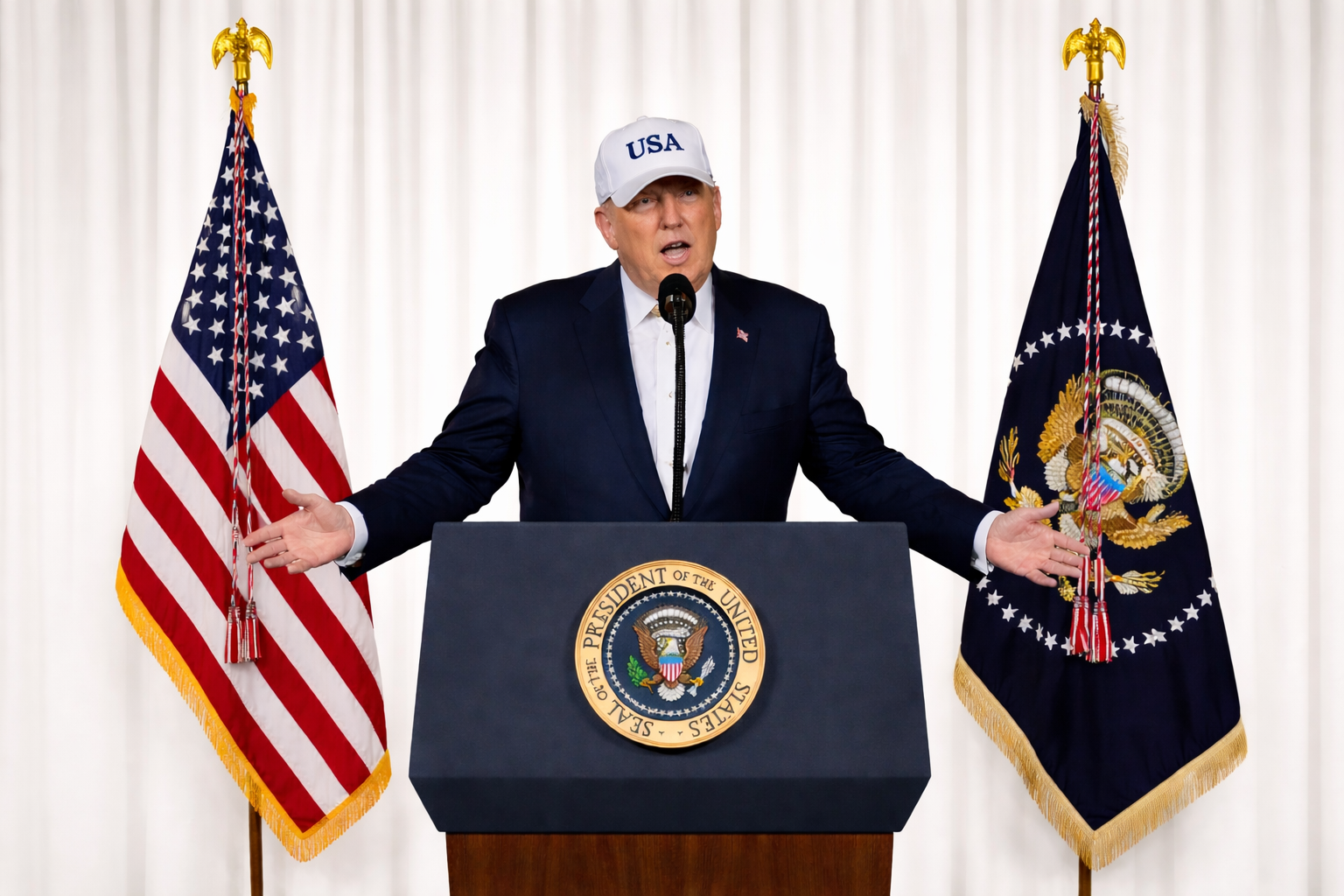
Global markets are entering a high-stakes phase as investors grapple with sharply conflicting signals surrounding the US-Iran conflict. President Donald Trump’s ultimatum threatening severe military action if the Strait of Hormuz is not reopened contrasts with parallel indications that a diplomatic deal could be imminent. This divergence has left markets suspended between two extremes, forcing participants to hedge for both a rapid resolution and a potentially severe escalation—each carrying vastly different implications for asset prices, inflation, and global growth.

Markets Caught Between Escalation and Diplomacy

Investor positioning reflects an increasingly binary outlook. On one hand, optimism around a potential ceasefire has supported risk assets, with equities recently staging a rebound. On the other, Trump’s aggressive rhetoric—including explicit threats targeting Iranian infrastructure—has reinforced the possibility of further escalation.

This dual narrative has created an environment where markets react sharply to headlines, often reversing direction within hours. Volatility has risen accordingly, with the Cboe Volatility Index climbing notably as uncertainty intensifies. The pattern underscores a broader shift toward event-driven trading, where geopolitical developments outweigh traditional macroeconomic drivers.

Oil Surge Signals Deepening Supply Fears

Energy markets remain at the center of this crisis. Brent crude has surged to around $110 per barrel, representing a roughly 50% increase since the conflict began, while US crude prices have risen even more sharply. The magnitude of the move reflects both immediate supply concerns and a growing geopolitical risk premium.

Crucially, shipping through the Strait of Hormuz remains severely constrained, operating at a fraction of normal levels. Given that the waterway typically handles a significant share of global oil and liquefied natural gas flows, even partial disruptions have far-reaching implications.

Although OPEC+ has announced a modest increase in production, the additional supply is unlikely to offset the scale of disruption. This imbalance suggests that energy markets may remain tight, reinforcing upward pressure on prices and prolonging inflationary effects.

Inflation Shock Raises Stagflation Concerns

The surge in energy prices is beginning to feed into broader macroeconomic concerns, particularly the risk of stagflation—a combination of slowing growth and rising inflation. Analysts warn that if the conflict persists or escalates further, the inflation shock could evolve into a broader demand shock, eroding consumer purchasing power and corporate profitability.

Even in a scenario where diplomatic progress is achieved, the damage to supply chains and market confidence may not reverse quickly. The lag effects of higher energy costs could continue to weigh on economic activity, complicating the outlook for central banks and policymakers.

Bond Markets Signal Underestimated Risks

Fixed-income markets are increasingly reflecting these risks. The US 10-year Treasury yield has climbed to around 4.36%, up significantly since the conflict began, as investors scale back expectations for Federal Reserve rate cuts. Rising yields indicate that markets are pricing in more persistent inflation and tighter financial conditions.

Some strategists warn that this adjustment may still be incomplete. If inflation expectations continue to rise, bond yields could move higher, tightening credit conditions at a time when financial markets are already vulnerable. This dynamic introduces additional downside risks for equities and broader economic stability.

Headline-Driven Volatility to Persist

Looking ahead, markets are likely to remain highly sensitive to geopolitical developments, particularly as key deadlines approach. The interplay between diplomatic efforts and military threats will continue to drive sentiment, with each new headline potentially triggering sharp market reactions.

Investors are also closely watching upcoming US inflation data, which will provide early indications of whether the energy shock is feeding into broader price pressures. At the same time, safe-haven assets such as gold face conflicting forces from rising yields and currency strength.

In this environment, markets are no longer driven by a single narrative but by competing احتمالات, each with significant implications. Whether the outcome tilts toward de-escalation or escalation, volatility is likely to remain elevated, requiring disciplined positioning and heightened risk awareness.


Comparison, examination, and analysis between investment houses

Leave your details, and an expert from our team will get back to you as soon as possible

    * This article, in whole or in part, does not contain any promise of investment returns, nor does it constitute professional advice to make investments in any particular field.

    To read more about the full disclaimer, click here
    SKN | S&P 500 Futures Rebound on Ceasefire Hopes—Is Market Optimism Outpacing Geopolitical Reality?
    • Ronny Mor
    • 9 Min Read
    • ago 1 hour

    SKN | S&P 500 Futures Rebound on Ceasefire Hopes—Is Market Optimism Outpacing Geopolitical Reality? SKN | S&P 500 Futures Rebound on Ceasefire Hopes—Is Market Optimism Outpacing Geopolitical Reality?

    US equity futures moved higher on Monday, with contracts tied to the S&P 500 and Nasdaq 100 rebounding from earlier

    • ago 1 hour
    • 9 Min Read

    US equity futures moved higher on Monday, with contracts tied to the S&P 500 and Nasdaq 100 rebounding from earlier

    SKN | Global Markets Navigate Holiday Thin Liquidity Amid Critical Fed Minutes and Inflation Data
    • orshu
    • 7 Min Read
    • ago 4 hours

    SKN | Global Markets Navigate Holiday Thin Liquidity Amid Critical Fed Minutes and Inflation Data SKN | Global Markets Navigate Holiday Thin Liquidity Amid Critical Fed Minutes and Inflation Data

    The global financial landscape enters the second week of April 2026 under the shadow of widespread holiday closures, creating a

    • ago 4 hours
    • 7 Min Read

    The global financial landscape enters the second week of April 2026 under the shadow of widespread holiday closures, creating a

    SKN | Asian Markets Open Mixed on April 6 as Korean and Japanese Stocks Advance While China and Hong Kong Face Holiday Disruptions
    • Lior mor
    • 9 Min Read
    • ago 7 hours

    SKN | Asian Markets Open Mixed on April 6 as Korean and Japanese Stocks Advance While China and Hong Kong Face Holiday Disruptions SKN | Asian Markets Open Mixed on April 6 as Korean and Japanese Stocks Advance While China and Hong Kong Face Holiday Disruptions

    Asian equity markets opened the week with mixed performance on Monday, April 6, as investors navigated divergent regional trends and

    • ago 7 hours
    • 9 Min Read

    Asian equity markets opened the week with mixed performance on Monday, April 6, as investors navigated divergent regional trends and

    SKN | TA-35 Executes a 2.20% Friday Surge to Reclaim 4,180 Level Following Early-Week Market Consolidation
    • Arik Arkadi Sluzki
    • 6 Min Read
    • ago 19 hours

    SKN | TA-35 Executes a 2.20% Friday Surge to Reclaim 4,180 Level Following Early-Week Market Consolidation SKN | TA-35 Executes a 2.20% Friday Surge to Reclaim 4,180 Level Following Early-Week Market Consolidation

      The Tel Aviv Stock Exchange witnessed acute price action this week as the flagship TA-35 Index absorbed significant early-week


    • ago 19 hours
    • 6 Min Read

      The Tel Aviv Stock Exchange witnessed acute price action this week as the flagship TA-35 Index absorbed significant early-week