Key Points

  • India has resumed Iranian oil imports, signaling a strategic pivot toward energy security.
  • Dependence on the Strait of Hormuz is driving closer coordination with Tehran.
  • Rising energy costs are accelerating India’s shift toward diversified and pragmatic sourcing.
hero

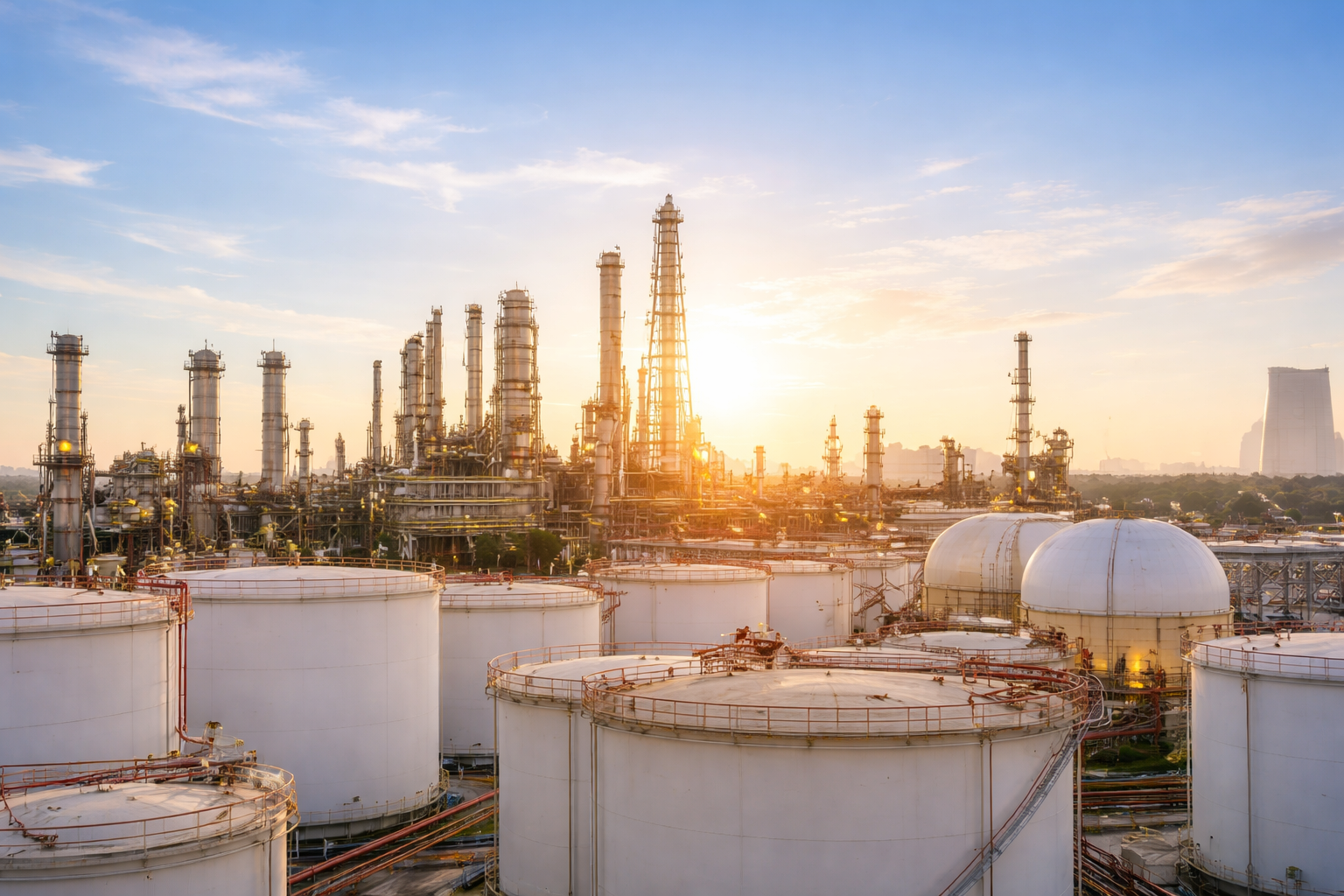
India has resumed oil and gas imports from Iran for the first time since 2019, marking a significant shift in its energy strategy as global supply disruptions intensify. The decision comes amid escalating tensions in the Middle East, which have driven oil prices sharply higher and exposed vulnerabilities in global energy flows. For India—the world’s third-largest oil importer—the move underscores a pragmatic recalibration of foreign policy, where energy security is increasingly taking precedence over geopolitical alignment.

Energy Security Drives Strategic Re-engagement

The resumption of Iranian imports reflects mounting pressure on India’s energy supply chain. With crude shipments disrupted and prices surging, Indian refiners have expanded sourcing to more than 40 countries, including Iran. A recent delivery of 44,000 metric tons of liquefied petroleum gas (LPG) signals that trade channels between the two nations are reopening after years of dormancy.

This shift is less about short-term opportunism and more about long-term risk management. By diversifying supply sources, India is effectively building an “insurance policy” against geopolitical shocks. The move also suggests that New Delhi is willing to re-engage with previously sidelined partners when market conditions demand flexibility.

Strait of Hormuz Risks Shape Policy Decisions

A central factor behind India’s decision is its heavy reliance on energy flows through the Strait of Hormuz. Approximately half of its crude oil imports and the majority of its LPG supplies pass through this critical chokepoint. Ongoing tensions and shipping disruptions have heightened concerns over supply continuity.

By re-establishing energy ties with Tehran, India is also seeking implicit assurances regarding the safe passage of its vessels through the strait. Recent data indicating that several Indian-flagged ships have either crossed or are awaiting transit highlights the urgency of securing stable maritime routes.

This approach reflects a calculated strategy: rather than relying solely on external security arrangements, India is leveraging bilateral diplomacy to safeguard its energy interests.

Balancing Between Washington and Tehran

India’s renewed engagement with Iran also reveals the limits of its alignment with the United States. While New Delhi has strengthened ties with Washington in recent years, particularly in trade and defense, the current crisis has exposed the need for strategic autonomy.

Notably, India has opted not to join a US-led naval coalition aimed at securing the Strait of Hormuz, instead pursuing direct negotiations with Iran. This decision signals a deliberate effort to maintain flexibility and avoid being drawn into geopolitical conflicts that could compromise its economic interests.

At the same time, the move is unlikely to provoke immediate backlash from Washington, partly due to existing waivers and the broader complexity of global energy markets. However, future imports will depend heavily on the trajectory of sanctions and regional stability.

Rising Costs Reinforce Urgency

The urgency of India’s strategy is underscored by sharply rising energy costs. The average price of India’s crude basket surged from $69 per barrel in February to $113 in March, reflecting the impact of supply disruptions and heightened geopolitical risk premiums.

In parallel, imports of discounted Russian oil have increased significantly, rising to approximately 1.9 million barrels per day in late March. This dual sourcing strategy—combining Russian and Iranian supplies—illustrates India’s willingness to prioritize affordability and availability over political considerations.

A New Energy Playbook Emerging

Looking ahead, India’s energy strategy appears to be entering a more flexible and multipolar phase. The ability to navigate between competing geopolitical blocs while securing stable energy supplies will be critical, particularly as global markets remain volatile.

Investors and policymakers should watch how India manages this balancing act, especially if tensions in the Middle East persist or sanctions frameworks shift. The country’s approach may serve as a broader template for emerging economies facing similar challenges.

Ultimately, India’s return to Iranian oil signals a deeper shift: in an era of rising geopolitical fragmentation, energy security is no longer just an economic priority—it is a defining pillar of foreign policy.


Comparison, examination, and analysis between investment houses

Leave your details, and an expert from our team will get back to you as soon as possible

    * This article, in whole or in part, does not contain any promise of investment returns, nor does it constitute professional advice to make investments in any particular field.

    To read more about the full disclaimer, click here
    SKN | Is Trump’s Hormuz Ultimatum Pushing Oil Markets Toward a Breaking Point?
    • omer bar
    • 7 Min Read
    • ago 11 hours

    SKN | Is Trump’s Hormuz Ultimatum Pushing Oil Markets Toward a Breaking Point? SKN | Is Trump’s Hormuz Ultimatum Pushing Oil Markets Toward a Breaking Point?

    Global Markets React as Geopolitical Risks Intensify U.S. President Donald Trump has sharply escalated tensions in the Middle East, issuing

    • ago 11 hours
    • 7 Min Read

    Global Markets React as Geopolitical Risks Intensify U.S. President Donald Trump has sharply escalated tensions in the Middle East, issuing

    SKN | Is Oil Entering Crisis Territory as Prices Surge Past $110 on Escalating Iran Conflict?
    • omer bar
    • 7 Min Read
    • ago 15 hours

    SKN | Is Oil Entering Crisis Territory as Prices Surge Past $110 on Escalating Iran Conflict? SKN | Is Oil Entering Crisis Territory as Prices Surge Past $110 on Escalating Iran Conflict?

    Oil Prices Surge as Markets Reassess Supply Risks WTI crude oil futures surged more than 11%, breaking above $112 per

    • ago 15 hours
    • 7 Min Read

    Oil Prices Surge as Markets Reassess Supply Risks WTI crude oil futures surged more than 11%, breaking above $112 per

    SKN | Bloom Energy Rallies on Elevated Oil Prices: Momentum Trade or Structural Energy Shift?
    • orshu
    • 6 Min Read
    • ago 2 days

    SKN | Bloom Energy Rallies on Elevated Oil Prices: Momentum Trade or Structural Energy Shift? SKN | Bloom Energy Rallies on Elevated Oil Prices: Momentum Trade or Structural Energy Shift?

      Bloom Energy (NYSE: BE) has seen a notable rally as oil prices approach $110 per barrel, driving renewed interest

    • ago 2 days
    • 6 Min Read

      Bloom Energy (NYSE: BE) has seen a notable rally as oil prices approach $110 per barrel, driving renewed interest

    SKN | NuScale Power Collapse: Deep Value Opportunity or Structural Risk in Small Modular Nuclear?
    • Lior mor
    • 6 Min Read
    • ago 2 days

    SKN | NuScale Power Collapse: Deep Value Opportunity or Structural Risk in Small Modular Nuclear? SKN | NuScale Power Collapse: Deep Value Opportunity or Structural Risk in Small Modular Nuclear?

      NuScale Power (NYSE: SMR) has experienced a steep decline from its peak valuation, with shares falling significantly as investors


    • ago 2 days
    • 6 Min Read

      NuScale Power (NYSE: SMR) has experienced a steep decline from its peak valuation, with shares falling significantly as investors