


- omer bar
- •
- 5 Min Read
- •
- 16 seconds ago
Key Points
- A manufacturing facility in China adapted operations and supply chains to mitigate the impact of U.S. tariffs during the Trump administration.
- Strategic cost management and diversified export markets helped maintain revenue stability amid global trade uncertainty.
- Lessons from this factory highlight broader strategies for Chinese exporters facing geopolitical and economic volatility.
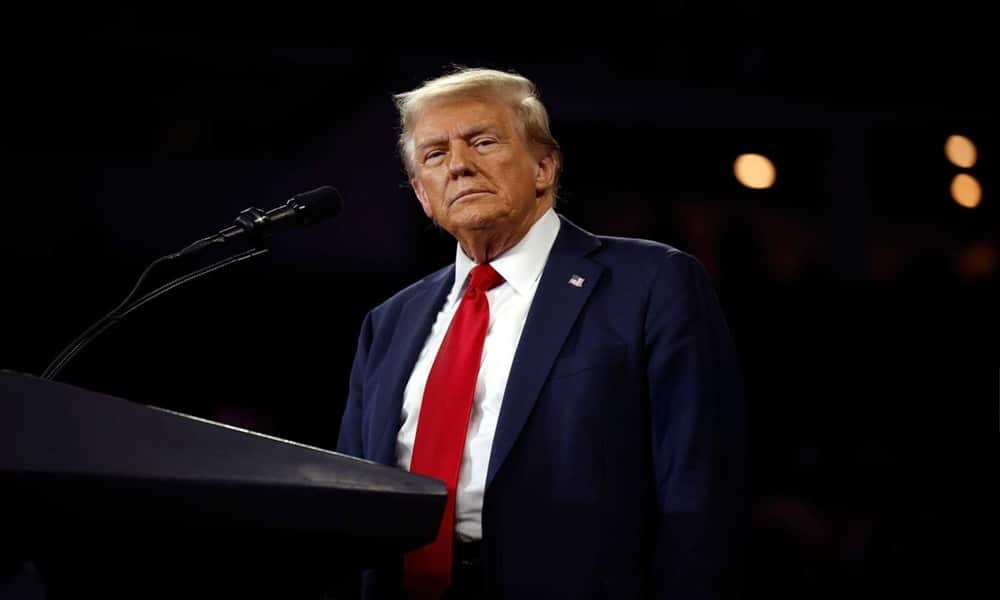
Amid the protracted trade tensions between the United States and China, some manufacturers found ways to adapt rather than retreat. One factory in eastern China, producing consumer electronics for global markets, exemplifies how businesses navigated tariffs, regulatory uncertainty, and fluctuating demand. By adjusting its supply chain and market focus, the company maintained operational stability even as broader trade flows faced disruption.
Adapting to Tariffs and Trade Barriers
The factory faced direct exposure to U.S. tariffs on electronics, which increased the cost of goods exported to America by as much as 25% in some cases. Management responded by diversifying suppliers, negotiating alternative shipping routes, and selectively passing costs to downstream partners. These measures, combined with targeted automation investments, allowed the factory to absorb some financial shocks while preserving delivery schedules for key clients. Analysts note that such operational agility is increasingly vital for exporters facing unpredictable trade policies.
Strategic Market Diversification
To offset reliance on the U.S. market, the factory expanded sales to Europe and Southeast Asia. Local partnerships and regional compliance measures enabled smoother entry into these markets. By reallocating production capacity and adjusting product mixes to suit regional preferences, the company mitigated revenue volatility and maintained growth. Experts highlight that this approach mirrors broader trends among Chinese exporters, who increasingly view diversified export footprints as a hedge against geopolitical risks.
Operational Resilience and Financial Management
The company strengthened cash flow management and inventory planning to withstand sudden policy shifts. Lean manufacturing practices, coupled with a focus on energy efficiency and cost control, helped preserve margins. Senior executives emphasized that building resilience required a combination of financial discipline, flexible human resources deployment, and proactive engagement with logistics providers. This approach not only stabilized current operations but also positioned the factory to seize opportunities as global trade conditions evolved.
Looking forward, manufacturers in China are expected to continue balancing geopolitical risks with operational adaptability. Monitoring potential tariff adjustments, regional trade agreements, and currency fluctuations will remain critical. Investors and business strategists alike can draw lessons from this case: robust supply chain management, market diversification, and operational discipline are essential for navigating global trade uncertainty and sustaining long-term growth.
Comparison, examination, and analysis between investment houses
Leave your details, and an expert from our team will get back to you as soon as possible
* This article, in whole or in part, does not contain any promise of investment returns, nor does it constitute professional advice to make investments in any particular field.
To read more about the full disclaimer, click here
- Lior mor
- •
- 7 Min Read
- •
- ago 5 hours
SKN | Is U.S. Inflation About to Reignite as the Iran War Sends Energy Prices Surging?
Inflation Set for Sharp Rebound in First Post-War Snapshot The first major inflation reading since the escalation of the Iran
- ago 5 hours
- •
- 7 Min Read

Inflation Set for Sharp Rebound in First Post-War Snapshot The first major inflation reading since the escalation of the Iran

- Ronny Mor
- •
- 6 Min Read
- •
- ago 1 day
SKN | IMF Warns Tokenized Finance Could Amplify Market Crises: Innovation Meets Systemic Risk
The International Monetary Fund (IMF) has raised concerns that the rapid growth of tokenized finance could introduce new vulnerabilities
- ago 1 day
- •
- 6 Min Read
The International Monetary Fund (IMF) has raised concerns that the rapid growth of tokenized finance could introduce new vulnerabilities

- omer bar
- •
- 6 Min Read
- •
- ago 2 days
SKN | APM Terminals Expands Rail Capacity at Port of Los Angeles: Supply Chain Efficiency Enters a New Phase
APM Terminals has completed a $73 million rail expansion project at the Port of Los Angeles, marking a significant
- ago 2 days
- •
- 6 Min Read
APM Terminals has completed a $73 million rail expansion project at the Port of Los Angeles, marking a significant

- orshu
- •
- 6 Min Read
- •
- ago 2 days
SKN | Trump’s $2.2 Trillion Budget Plan: Defense Expansion Signals Strategic Shift in US Fiscal Policy
Former President Donald Trump’s proposed $2.2 trillion federal budget is drawing attention across global financial markets, as it combines
- ago 2 days
- •
- 6 Min Read
Former President Donald Trump’s proposed $2.2 trillion federal budget is drawing attention across global financial markets, as it combines

