


- omer bar
- •
- 7 Min Read
- •
- 1 minute ago
Key Points
- Rising U.S.–Iran tensions, including a direct ultimatum over the Strait of Hormuz, have pushed markets toward a binary risk scenario between rapid de-escalation or major military escalation.
- Brent crude surged above $140, reflecting severe supply disruption and near-term shortages tied to restricted oil flows.
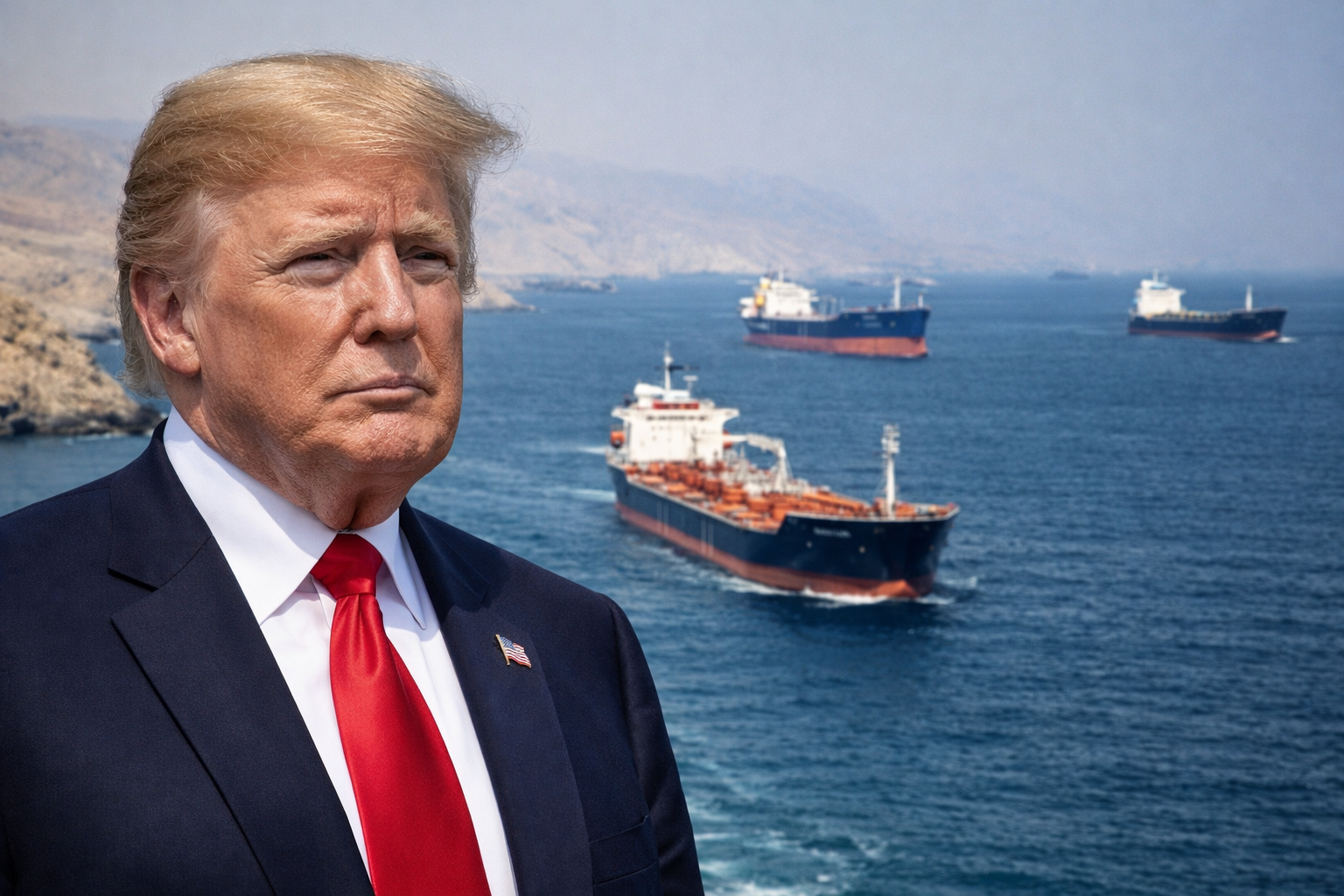
Global Markets React as Geopolitical Risks Intensify
U.S. President Donald Trump has sharply escalated tensions in the Middle East, issuing a direct ultimatum to Iran: reopen the Strait of Hormuz or face potential strikes on critical infrastructure. The warning marks a shift away from conditional diplomacy toward a more aggressive posture, immediately raising the stakes for global markets.
The timing is critical. With the conflict dragging on and no clear resolution in sight, investors are increasingly sensitive to policy signals. Trump’s ultimatum introduces a binary scenario — either rapid de-escalation or a significant escalation in military action.
For markets, this is not just geopolitical noise. It is a potential breaking point.
Oil Markets Price in Extreme Supply Disruption
Energy markets are already reflecting the severity of the situation.
Brent crude prices have surged above $140 per barrel in spot markets, reaching levels last seen during the 2008 financial crisis. The sharp divergence between spot and futures prices signals an urgent demand for immediate supply, pointing to acute shortages.
The near-total closure of the Strait of Hormuz — a critical route for global oil flows — has created a severe bottleneck. Shipping activity has slowed dramatically, and producers across the Persian Gulf are struggling to maintain exports.
This is no longer a speculative rally. It is a market reacting to real-time supply constraints.
Military Escalation Risks Overshadow Diplomatic Efforts
While diplomatic channels remain open, the balance is shifting toward escalation.
Reports of military positioning, retaliatory threats, and heightened readiness on both sides suggest that tensions are far from easing. Iran has shown little indication of complying with U.S. demands, instead reinforcing its control over the Strait and signaling readiness to respond.
At the same time, U.S. messaging remains mixed — combining warnings of military action with continued references to potential negotiations.
This dual-track approach is fueling uncertainty.
Markets are struggling to determine whether diplomacy will prevail or whether escalation will dominate, leading to sharp swings in sentiment and pricing.
Global Economic Pressure Begins to Build
The surge in oil prices is now feeding into the broader global economy.
Higher energy costs are increasing inflationary pressure, raising expenses for businesses and reducing consumer purchasing power. Key sectors such as transportation, manufacturing, and logistics are already feeling the impact.
For energy-importing economies, the shock is particularly severe, as rising costs strain fiscal balances and economic stability.
Financial markets are beginning to reflect these pressures, with increased volatility across equities, currencies, and commodities.
As highlighted in broader market analysis, the long-term economic impact of geopolitical conflicts can extend well beyond the immediate crisis, reinforcing the risk of sustained disruption.
Markets Approach a Critical Inflection Point
The current environment suggests that oil markets are nearing a critical threshold.
Prices are no longer reacting incrementally — they are responding to binary outcomes. Either the Strait of Hormuz reopens and supply flows normalize, or escalation intensifies and prices move even higher.
This creates a high-stakes environment for investors.
Volatility is rising, and positioning is becoming increasingly short-term as market participants react to rapidly changing developments.
Outlook: A Narrow Path Between Stability and Escalation
Looking ahead, the trajectory of oil prices will depend on whether diplomatic efforts can produce tangible results before tensions escalate further.
A reopening of the Strait would likely trigger a sharp correction in prices and ease pressure across global markets. However, failure to reach an agreement could lead to direct strikes on infrastructure and a broader regional conflict.
Such a scenario would likely push oil prices even higher and deepen economic uncertainty.
For now, markets remain highly sensitive to every development.
Comparison, examination, and analysis between investment houses
Leave your details, and an expert from our team will get back to you as soon as possible
* This article, in whole or in part, does not contain any promise of investment returns, nor does it constitute professional advice to make investments in any particular field.
To read more about the full disclaimer, click here
- omer bar
- •
- 7 Min Read
- •
- ago 5 hours
SKN | Is Oil Entering Crisis Territory as Prices Surge Past $110 on Escalating Iran Conflict?
Oil Prices Surge as Markets Reassess Supply Risks WTI crude oil futures surged more than 11%, breaking above $112 per
- ago 5 hours
- •
- 7 Min Read
Oil Prices Surge as Markets Reassess Supply Risks WTI crude oil futures surged more than 11%, breaking above $112 per

- orshu
- •
- 6 Min Read
- •
- ago 2 days
SKN | Bloom Energy Rallies on Elevated Oil Prices: Momentum Trade or Structural Energy Shift?
Bloom Energy (NYSE: BE) has seen a notable rally as oil prices approach $110 per barrel, driving renewed interest
- ago 2 days
- •
- 6 Min Read

Bloom Energy (NYSE: BE) has seen a notable rally as oil prices approach $110 per barrel, driving renewed interest

- Lior mor
- •
- 6 Min Read
- •
- ago 2 days
SKN | NuScale Power Collapse: Deep Value Opportunity or Structural Risk in Small Modular Nuclear?
NuScale Power (NYSE: SMR) has experienced a steep decline from its peak valuation, with shares falling significantly as investors
- ago 2 days
- •
- 6 Min Read
NuScale Power (NYSE: SMR) has experienced a steep decline from its peak valuation, with shares falling significantly as investors
- omer bar
- •
- 7 Min Read
- •
- ago 3 days
SKN | Are Drone Strikes on Russia’s Oil Infrastructure Disrupting Global Supply Dynamics?
A new wave of Ukrainian drone strikes targeting Russia’s critical energy infrastructure is beginning to ripple through global oil markets.
- ago 3 days
- •
- 7 Min Read
A new wave of Ukrainian drone strikes targeting Russia’s critical energy infrastructure is beginning to ripple through global oil markets.

